
Frontify for consumer goods
Take control of complexity in FMCG brand management
To stay competitive, leading brands are shifting toward connected systems that bring structure, visibility, and control to their brand operations—without slowing teams down.






FMCG brands thrive with a progressive approach—building capability step by step.
The reality of scaling FMCG brands
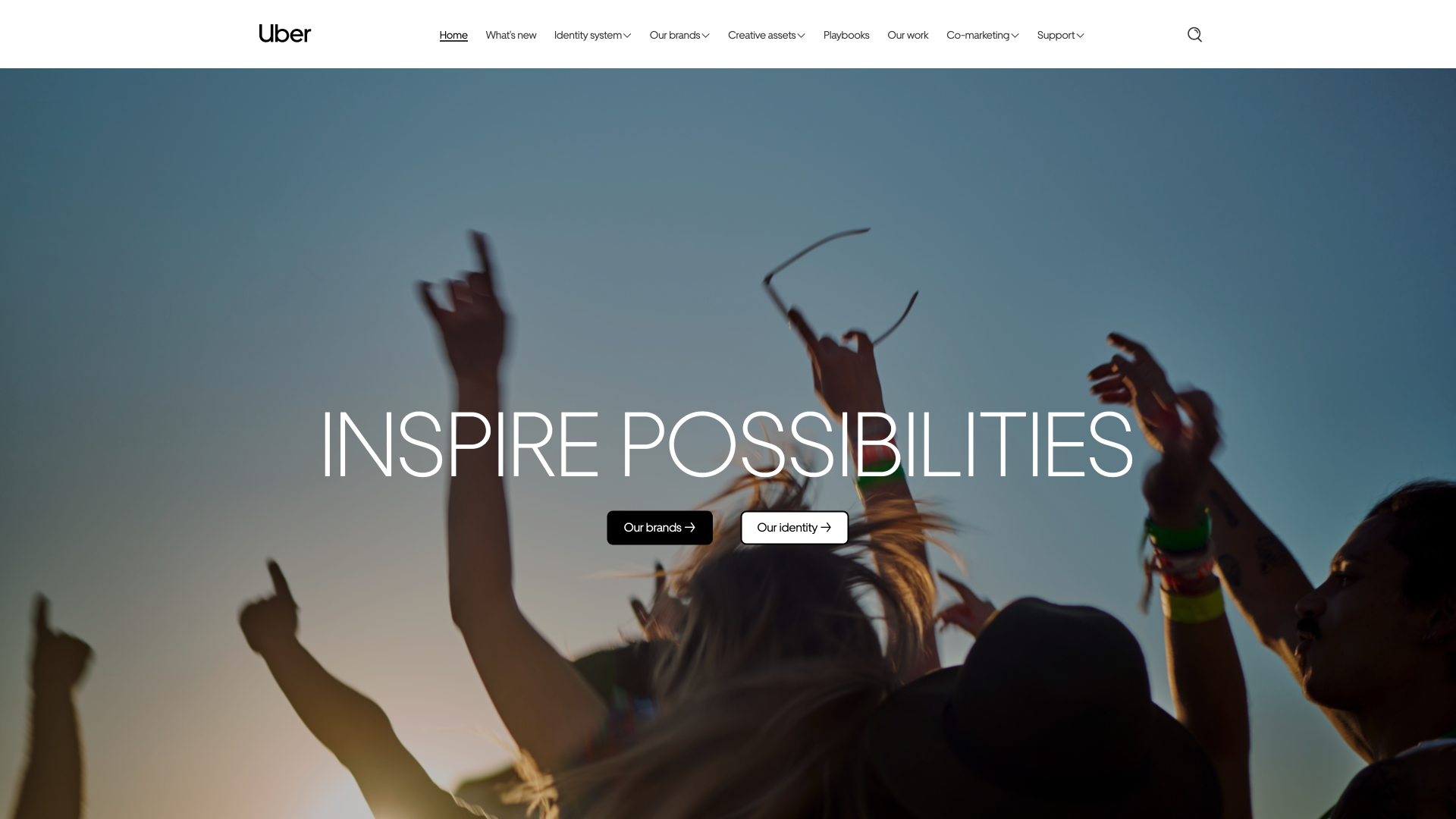
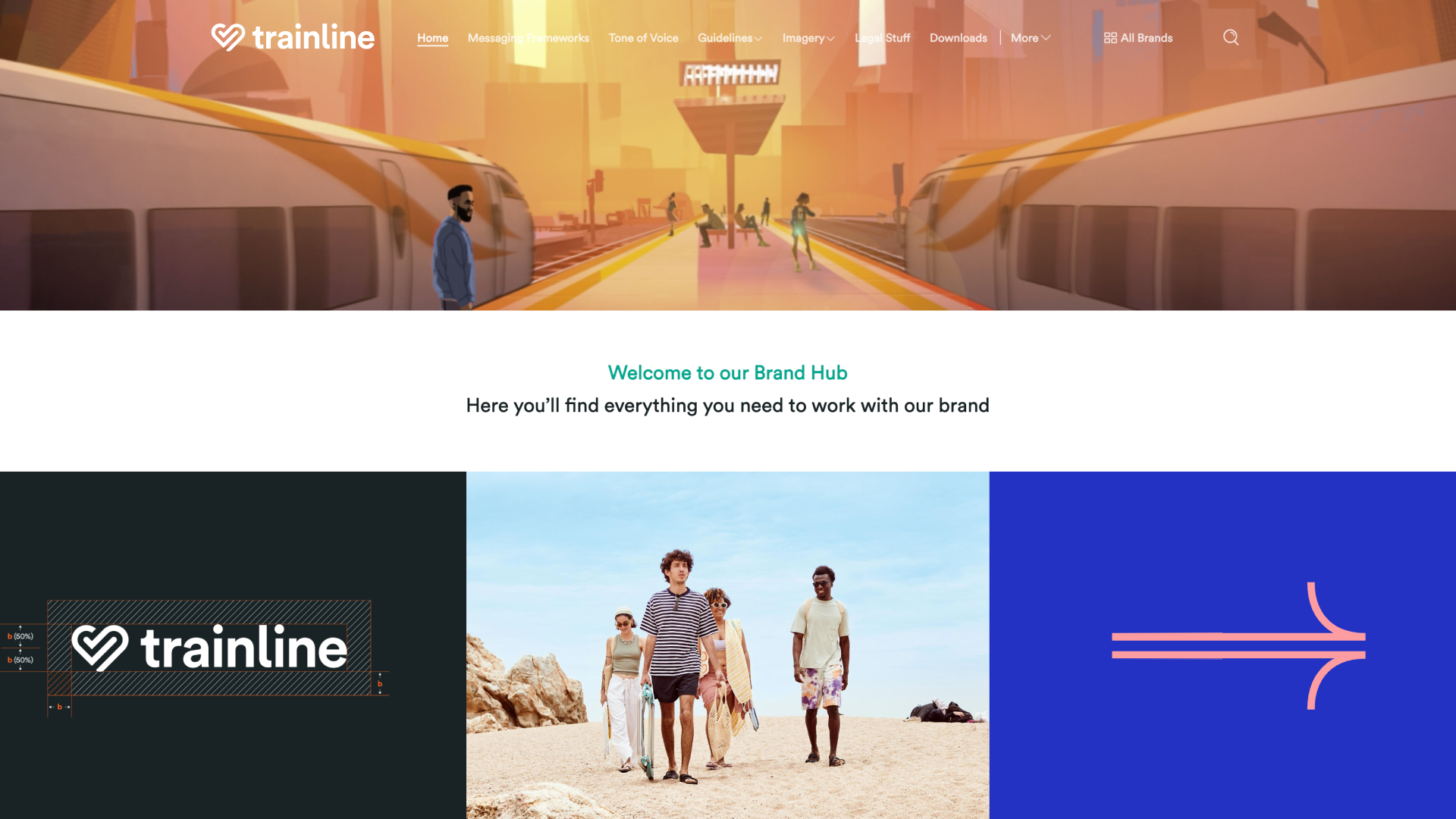
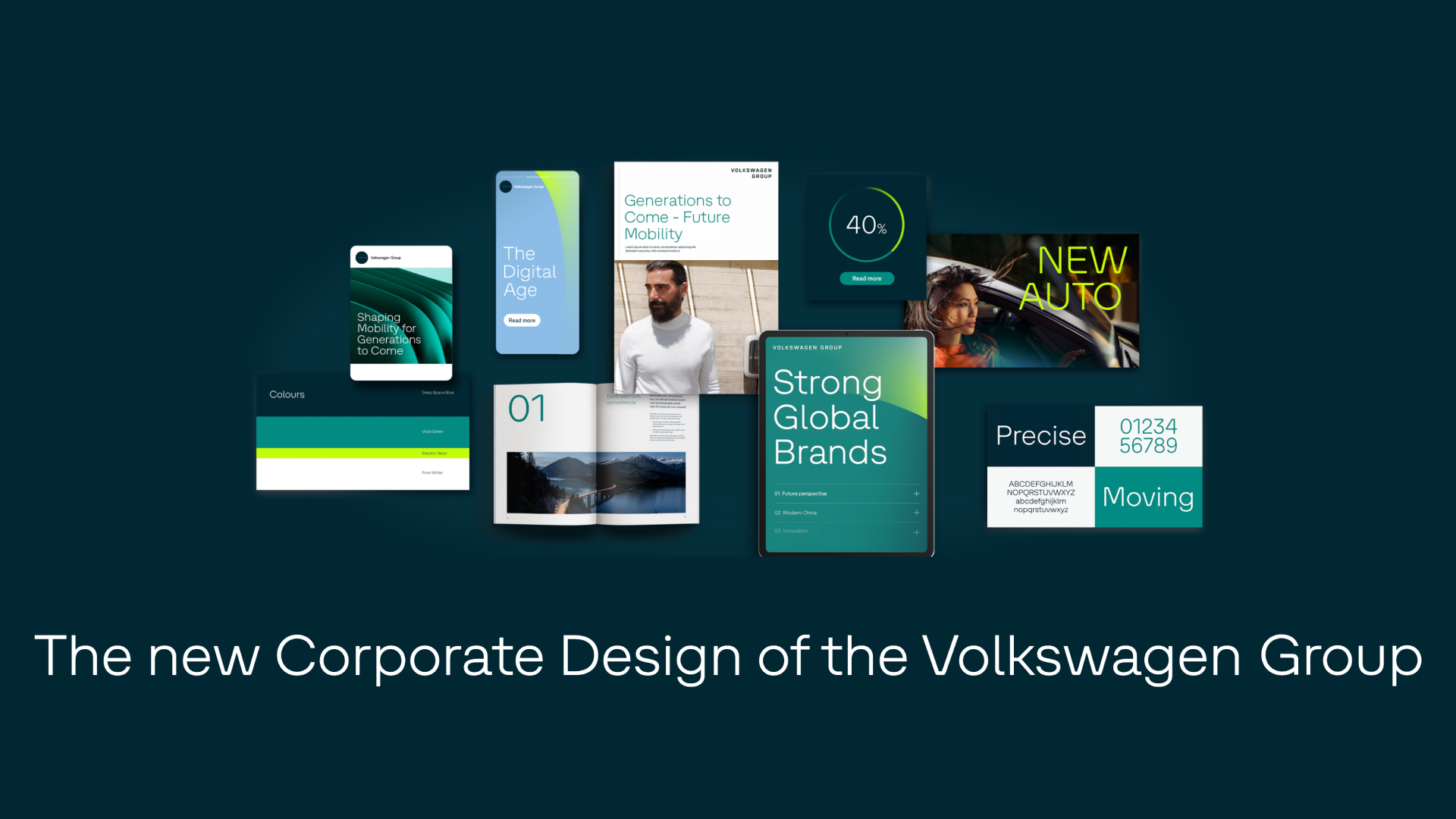
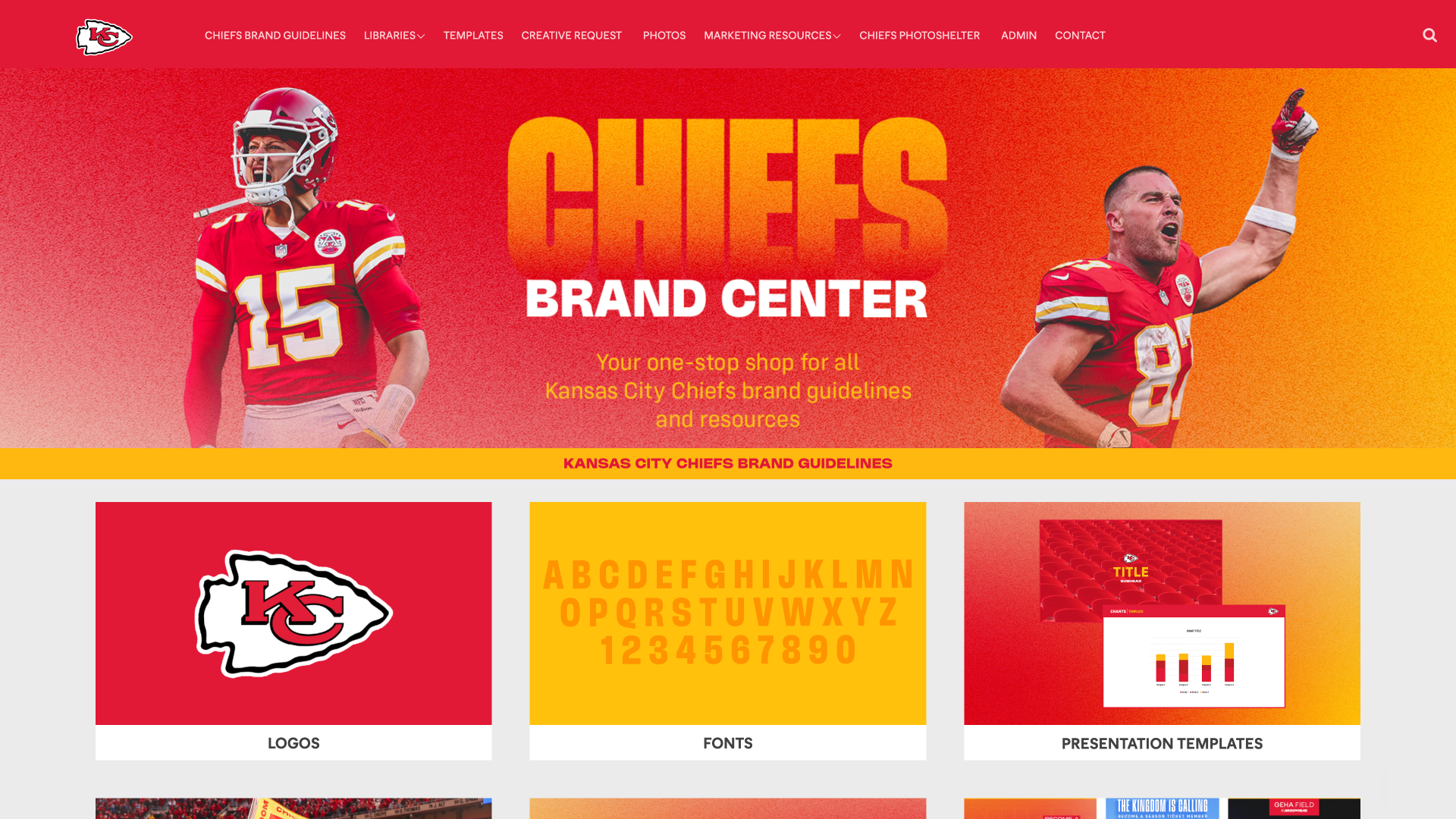
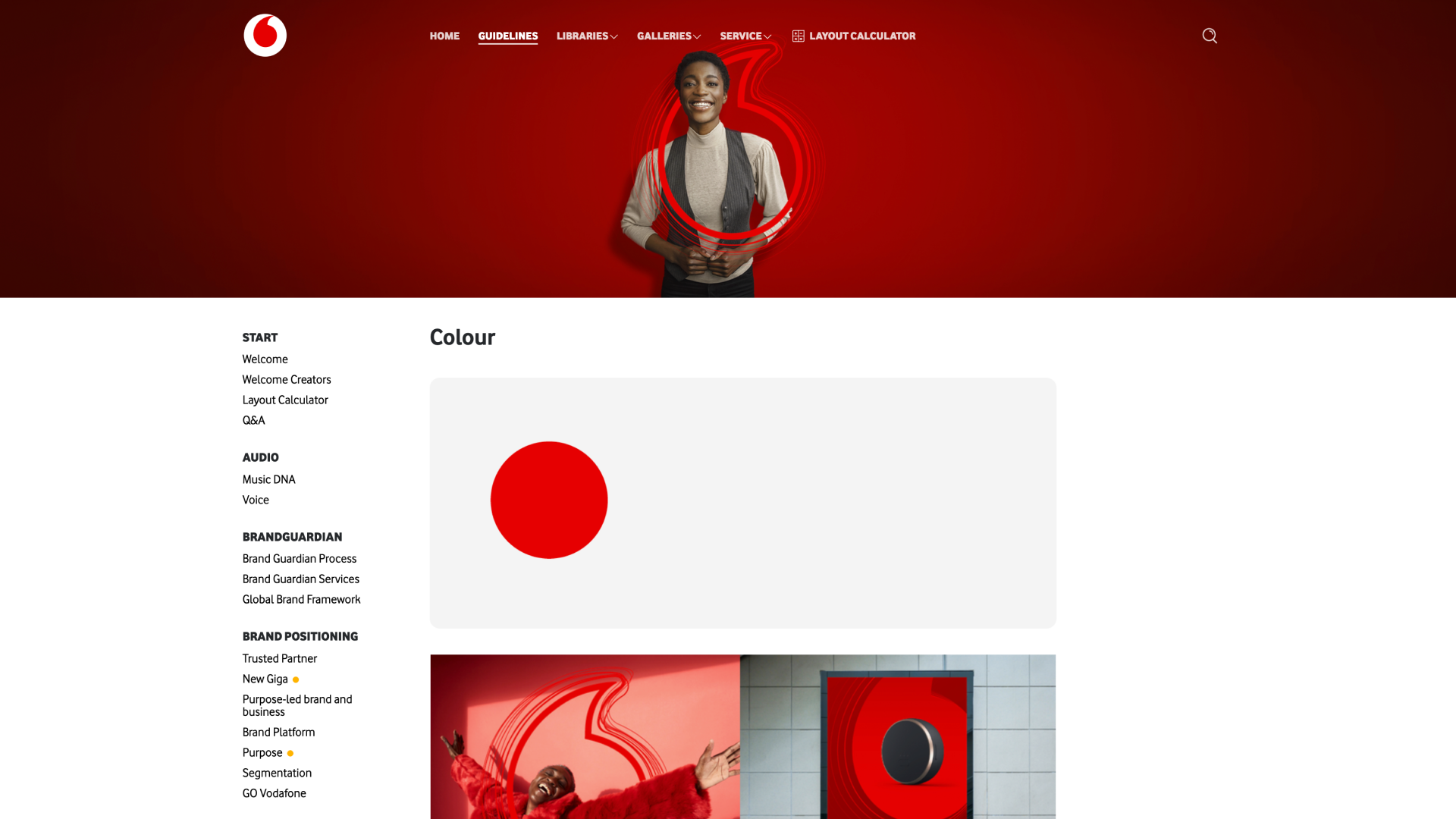
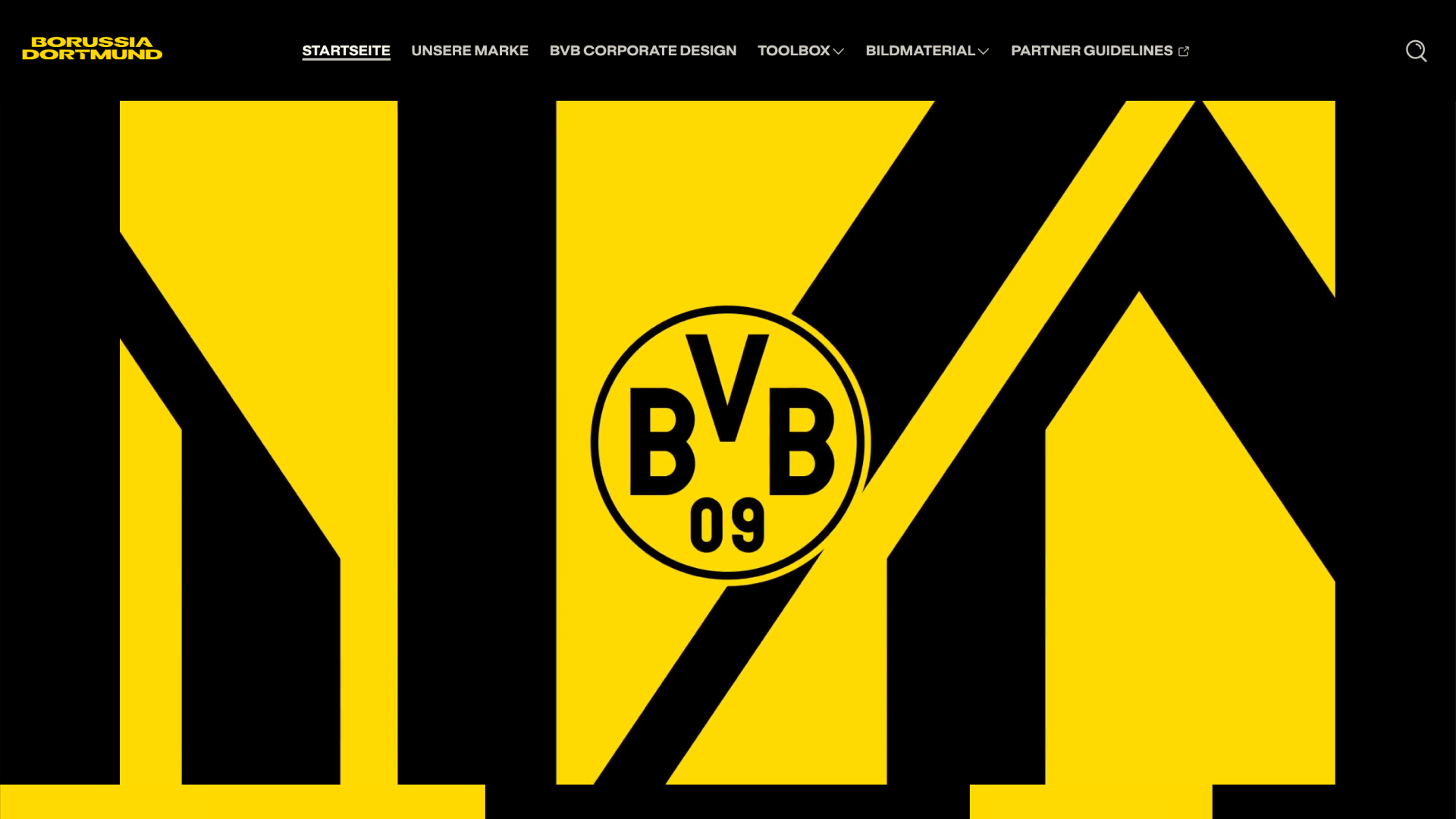
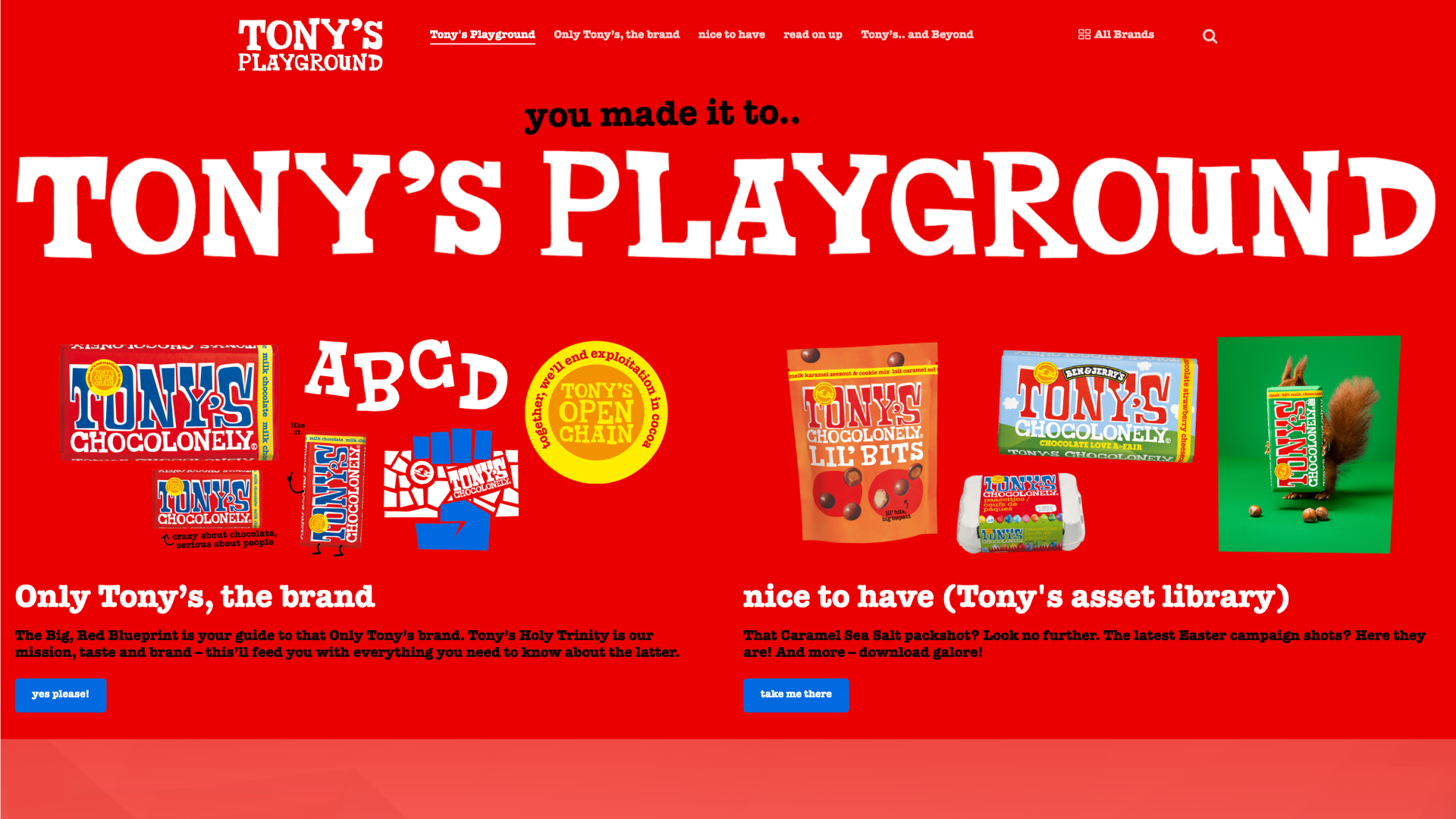
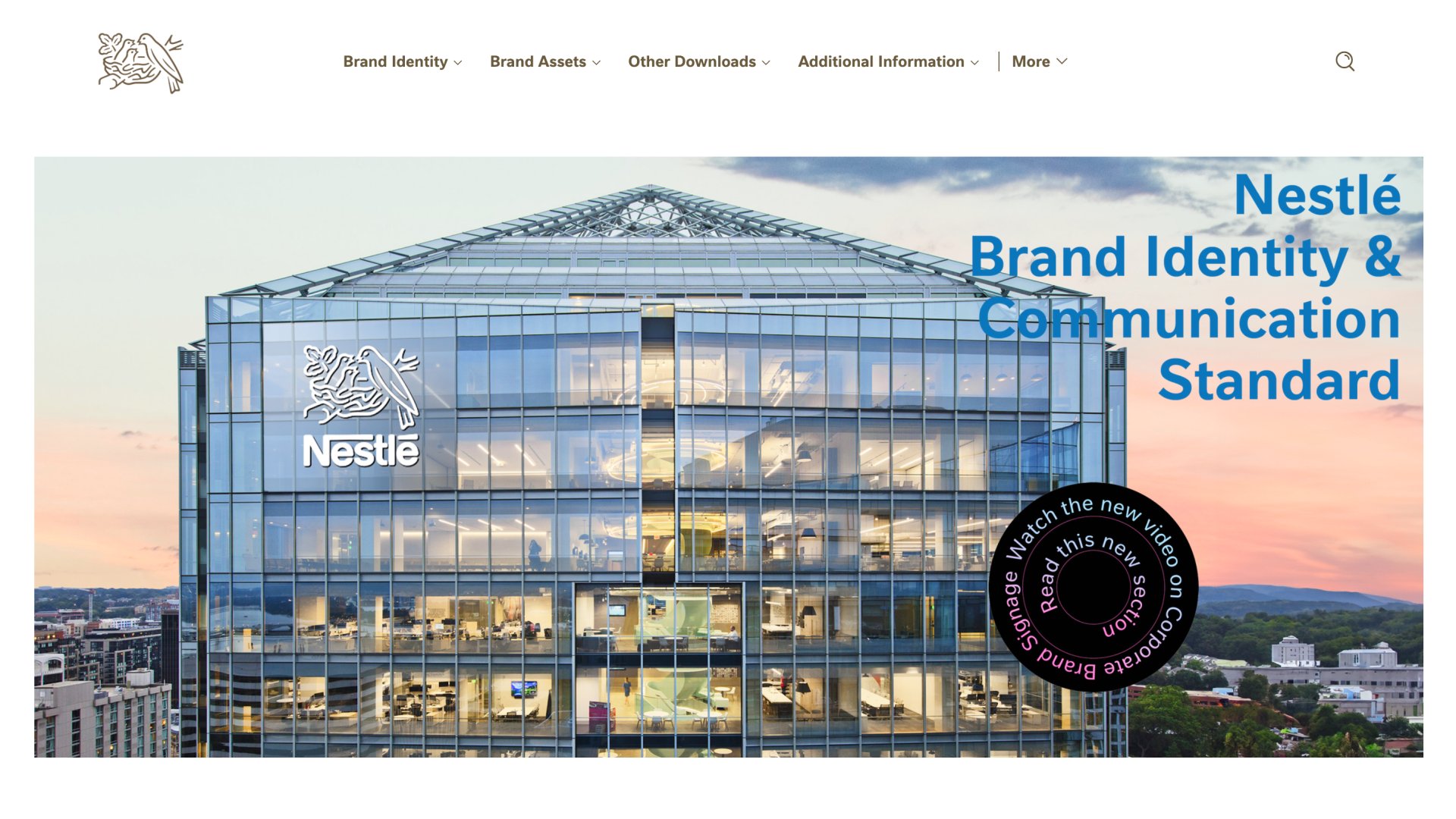
Building a structured system where brand guidelines, assets, templates, and workflows work together—so teams can move confidently without fragmentation. Guidelines and approved assets become the system of truth for all brand and marketing outputs.
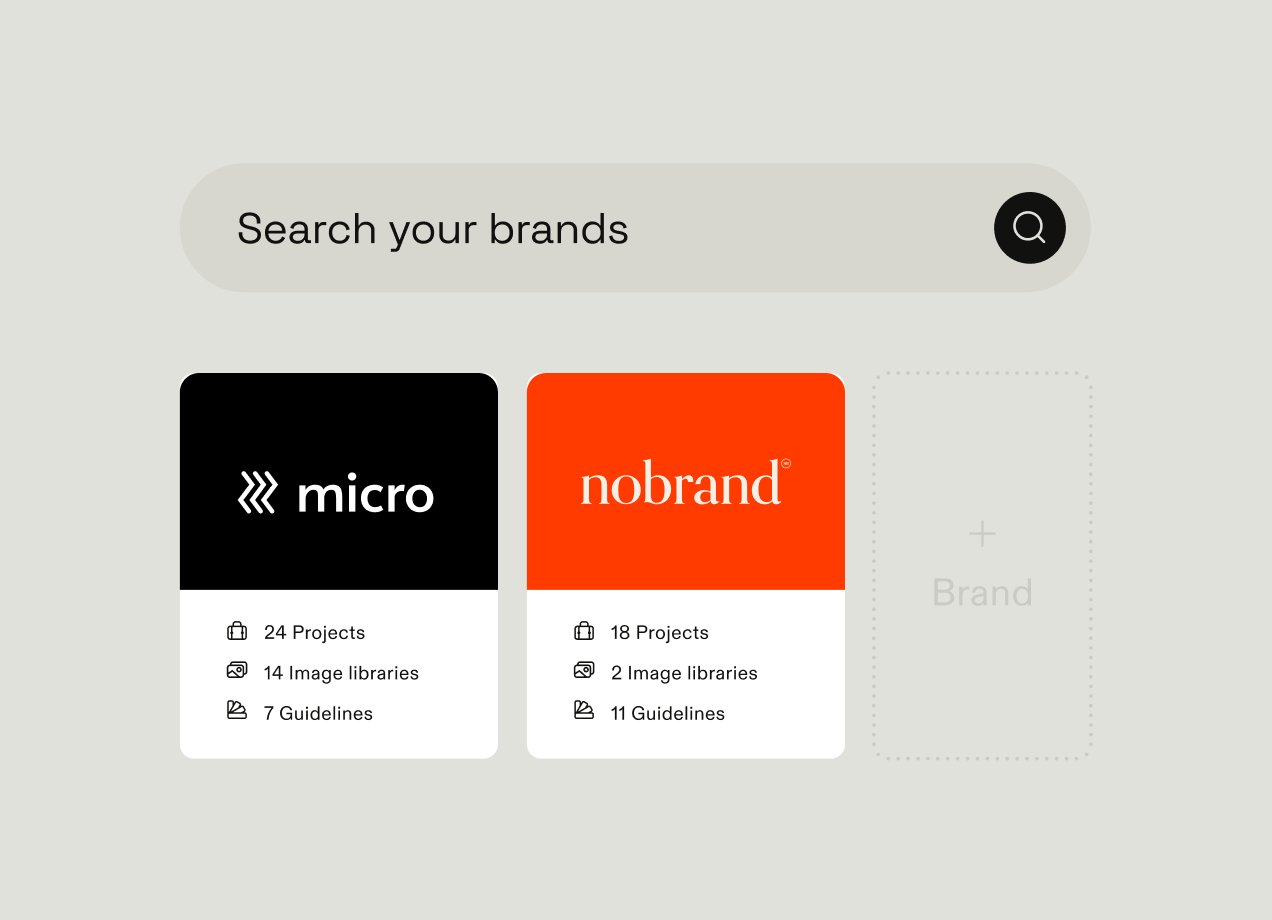
Structured and controlled access through brand portals
Build dedicated environments for:
- Internal teams
- Regional brand teams
- Product teams
- External partners and agencies
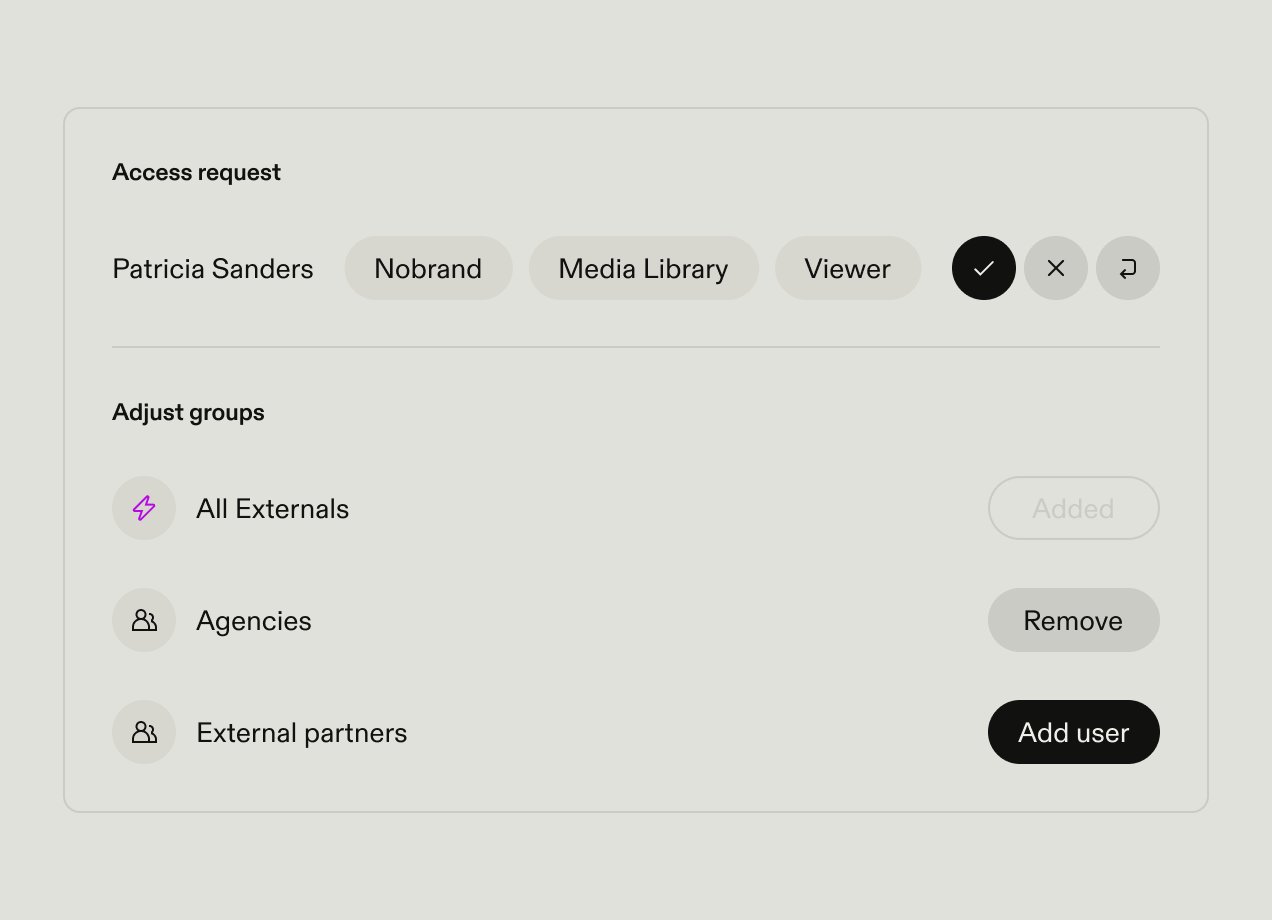
Each audience accesses relevant content, tools, and guidelines—within a controlled, permission-based structure.
Faster campaign execution with content systems that last
With Frontify, teams support high-frequency campaign delivery all across markets:
- Providing reusable templates for common use cases
- Enabling non-designers to produce compliant assets
- Maintaining consistency while allowing local adaptation
FAQs
How do FMCG brands manage multiple brands without losing consistency?
FMCG organisations often operate across diverse brand portfolios, each with different audiences and requirements. A structured platform allows teams to create separate brand environments while maintaining shared standards, assets, and governance—ensuring consistency without limiting brand individuality.
How can teams keep up with the volume of campaign content required today?
With the rise of e-commerce and social channels, content demand has increased significantly. Scalable template systems and campaign toolkits enable teams to produce high volumes of on-brand content quickly, while reducing reliance on design teams and manual processes.
What role does AI play in FMCG brand management?
AI helps reduce the operational burden of managing large volumes of assets. It can automatically tag content, improve search accuracy, and support compliance by identifying brand inconsistencies—allowing teams to focus more on execution and less on manual organisation.
How can FMCG organisations move away from legacy DAM systems?
Many FMCG brands are tied to legacy systems due to integrations and long-term contracts. A phased approach allows organisations to introduce new capabilities—such as guidelines, templates, and portals—alongside existing systems, gradually reducing dependency without disrupting operations.
Explore how Frontify powers exceptional brands