
About a year ago, around February 2025, a video circulated internally: An engineer built a full integration in a two-minute voice conversation with Cursor. No menus, no switching between tools. Around the same time, Armand Ruiz, VP of AI Platform at IBM, called the model context protocol (MCP) from Anthropic the "hottest open-source project for agents."
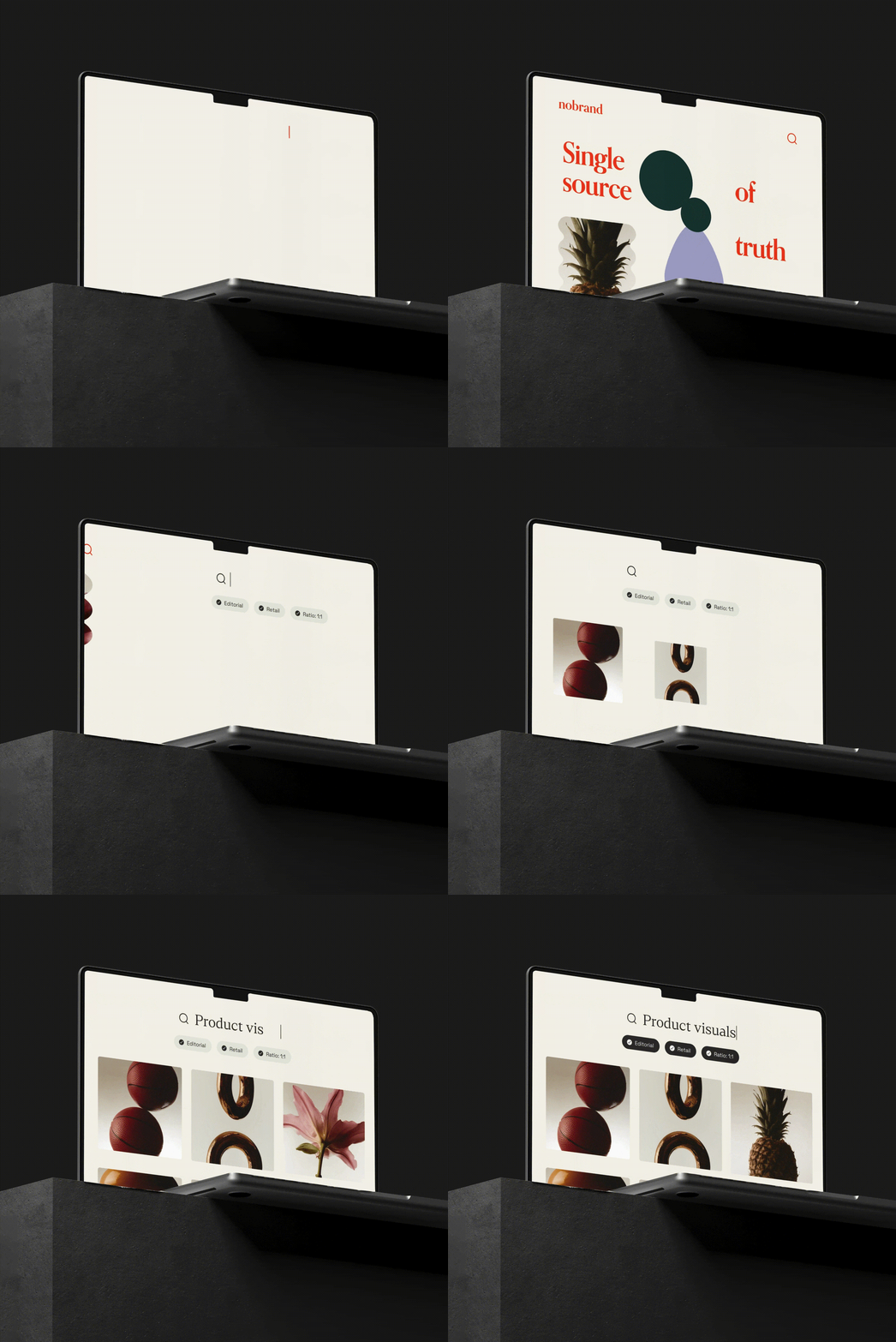
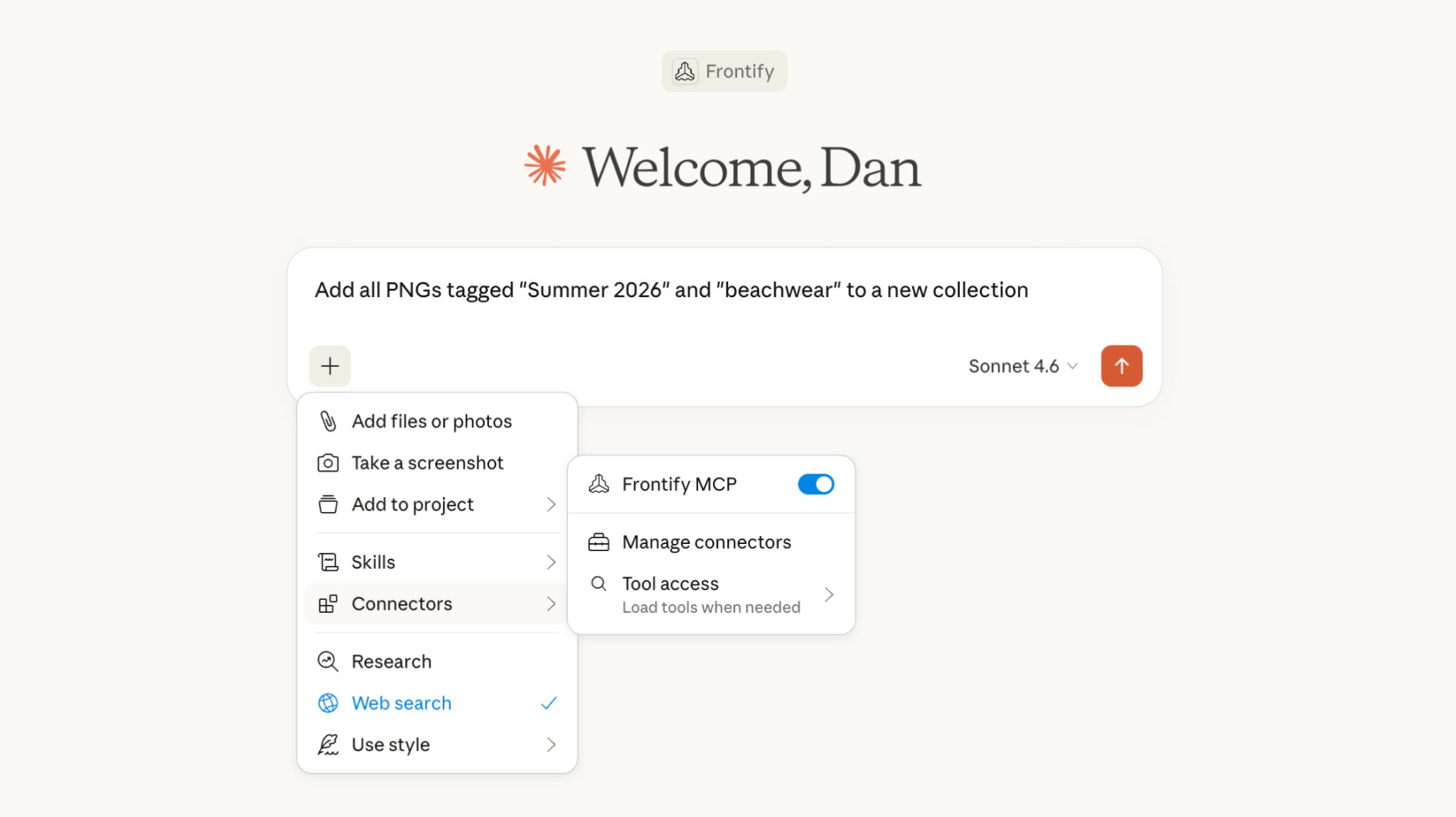
Soon, we’re about to open our first experimental version of the Frontify MCP, a protocol that gives AI agents structured access to the Frontify platform’s assets and capabilities, so tools like Claude or Cursor work with your brand through natural language. Think of it as teaching AI how to speak your brand.
Where it started
In June, during Sparks 2025, we built our first MCP server that focused on our media delivery API. The AI model accessed and transformed brand assets through natural language. In the last weeks, we’ve expanded this capability dramatically: The Frontify MCP already handles a range of real workflows:
- Find and access brand assets directly from any connected agent
- Orchestrate workflows including tasks
- Automate ad creation based on brand guidelines
- Create and populate collections with correct tagging
- Generate localized content variants across multiple languages using brand-approved templates
What stands out is the execution side. Users aren’t just asking questions. They’re having a dialogue that results in things getting done.
Trusting an AI to assist and execute on your behalf through conversation rather than a point-and-click workflow massively expands the creative surface area while reducing the time from idea to production.
As a small example of what becomes possible, I built a pizza configurator app in Figma Make using the Frontify MCP and pulling directly from our Pizzapie demo brand. What would have taken possibly some days became a morning experiment.
Why this matters for brand work
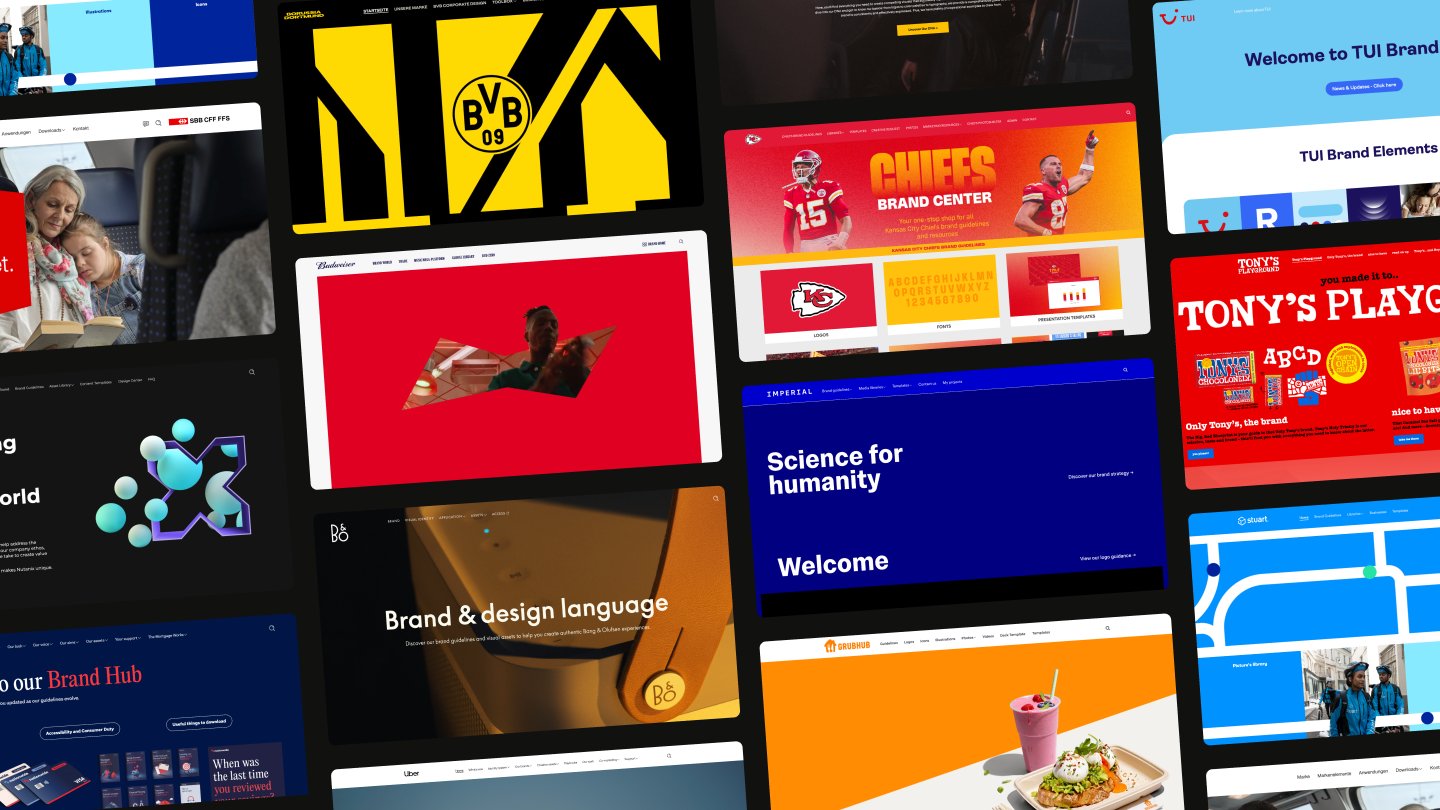
For brands, using MCPs has strategic consequences that go beyond the novelty of AI interfaces. Brand work is distributed: It happens on platforms like Canva, Figma, and Microsoft 365. The real challenge has never been creating assets in isolation — it's keeping assets, templates, and guidelines coherent across those surfaces so that people can create and collaborate.
Frontify is the source of brand truth. MCP connects this source of truth to the many environments where people work on brand initiatives. Not by building dedicated integrations for every tool that emerges, but by making Frontify’s data and logic accessible wherever an AI model is operating.
We imagined this in our early AI vision work: a brand platform you interact with conversationally, one that understands your brand and works within it. The MCP is a key piece that makes those ideas real rather than conceptual.
Two things that excited me
I’ve spent most of my career as an interaction designer, fascinated by how people adapt to — and are shaped by — rapidly evolving technology. MCP opened up two paths I'd been waiting for.
The first is obvious but profound: natural language as an interface. Instead of navigating a pre-built graphical user interface (GUI), you describe what you need, and the system finds a way. This changes who can access complex workflows. You don’t need to know where the button is or how the interface expects you to work.
The second is more personal: MCP is becoming a great “translation” tool for me. I can transition from mocking up ideas to prototyping with code through conversation faster than ever before. That shift from describing interfaces visually to building them feels like a steep change in what's possible for a designer. Being able to speed up the manifestation of a thought process and iterating over those artifacts boosts my creativity.
What Frontify MCP means for forward-looking brands
Frontify is an extensible platform. Our Brand SDK and API have connected brands to their entire ecosystem for years. That approach hasn’t changed, but the context around it has. The rapid adoption of the MCP standard shows that APIs are no longer consumed by deterministic integrations but used by a growing number of non-deterministic agents.
AI is rethinking brand infrastructure. The brands that will be well-positioned aren’t necessarily those with the most sophisticated AI tooling in isolation — they’re the ones whose brand data is structured, accessible, and governable in ways that AI agents can actually work with. That's what we’re building toward. And we’re excited to see how our clients use the MCP we’re launching soon.