

When think tank 21st Europe began devising Starline, a blueprint for a high-speed rail network to revolutionize European mobility — they needed more than technical specifications. They needed to make people believe in a connected, sustainable future.
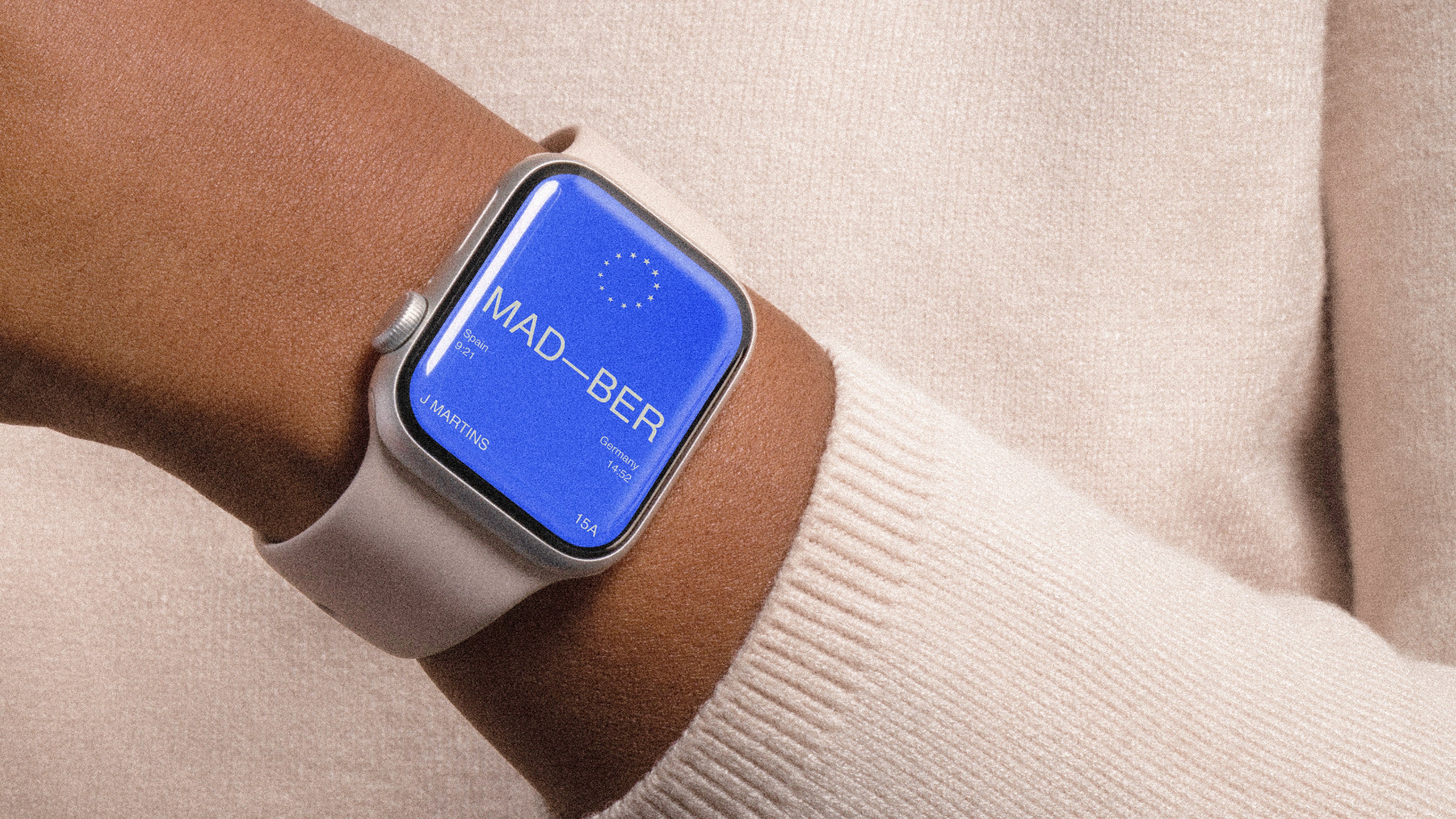
Bakken & Bæck has worked on other mobility projects in the past. Our team knew that rolling out a digital infrastructure that needs to work across European systems, languages, and currencies requires much more than a well-designed interface.
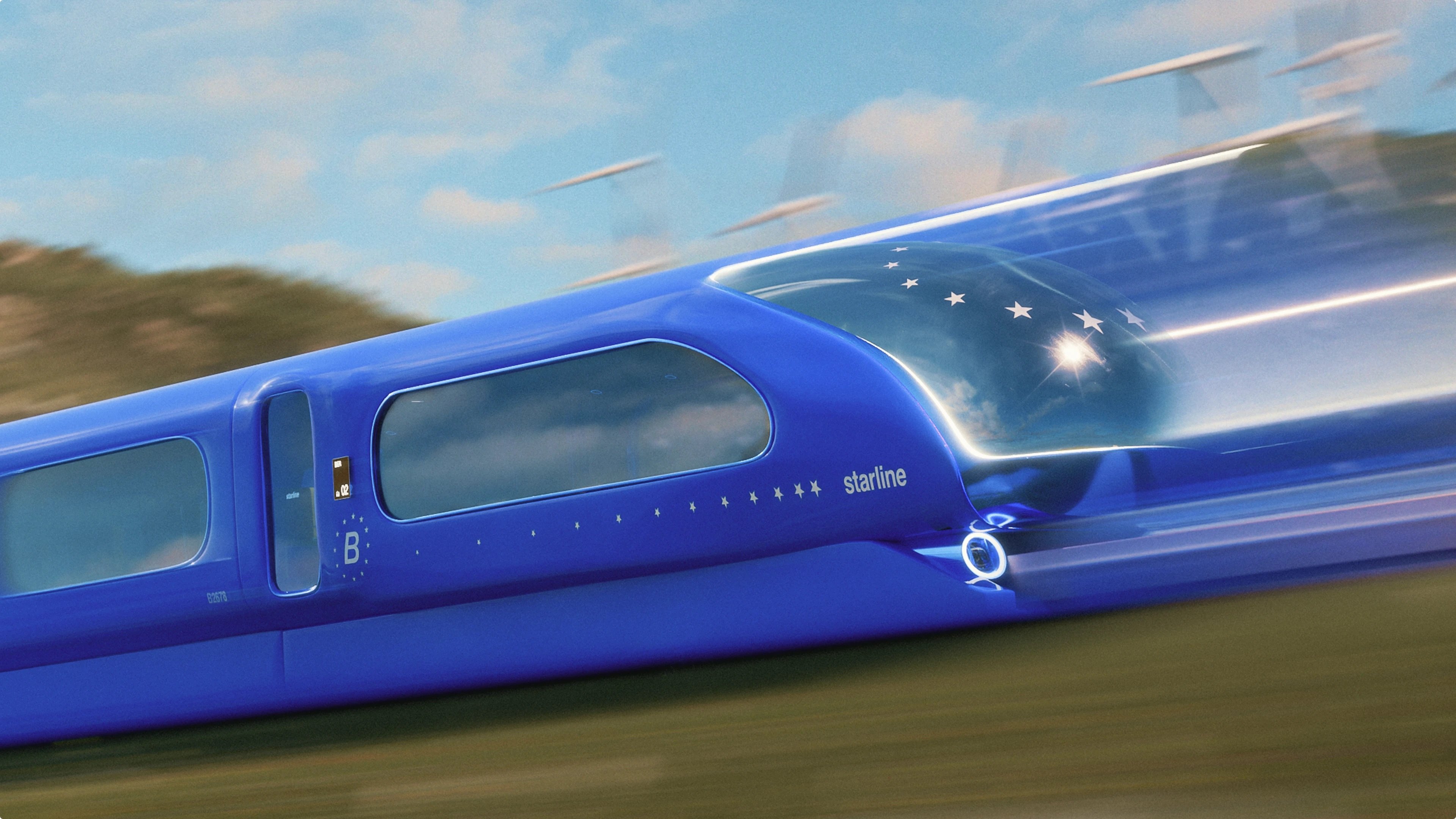
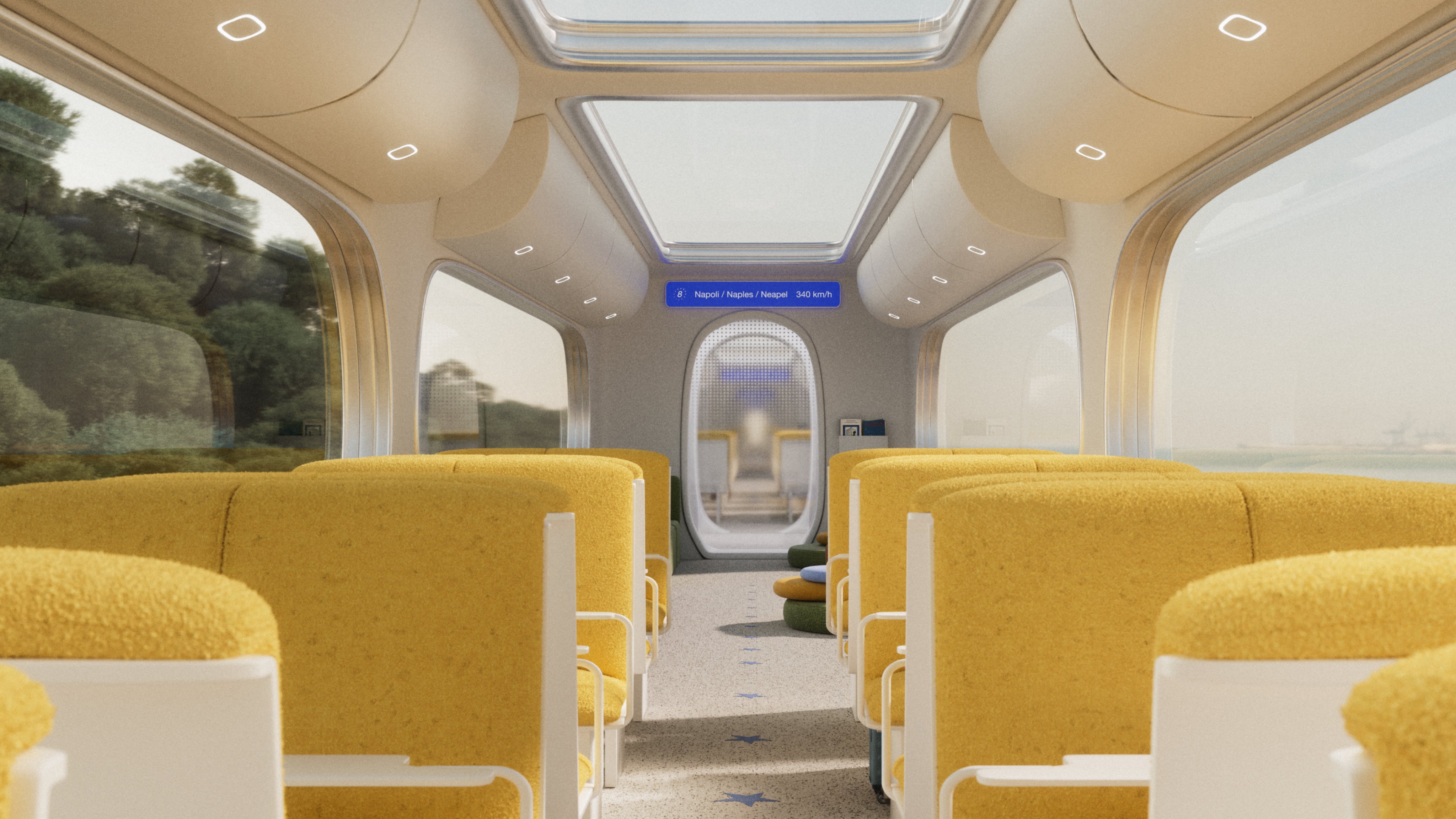
To understand the project's scope and brief Culte Common, we outlined many scenes, capturing the train's interior and exterior — and the many climates, landscapes, and stations it travels through. Looking at the map, we imagined journeys from one part of Europe to another, picturing the different activities the train would facilitate.
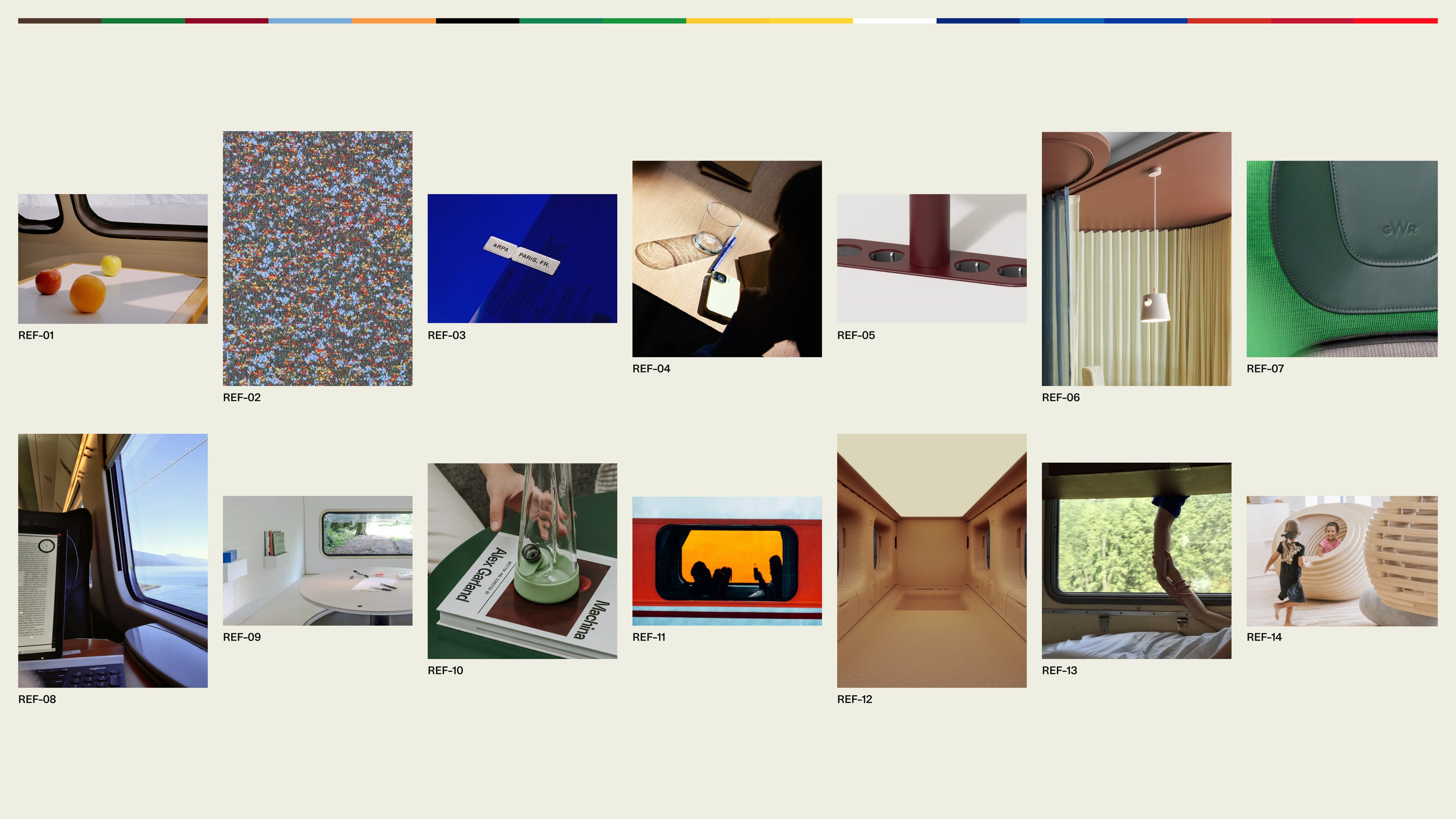
As design partners on this project, we had a specific role, and had to shield ourselves a bit from the complexity of existing research. We weren't tasked with the train's technical design, nor did we dive into the broader political and economic complexities that come with the introduction of Starline.

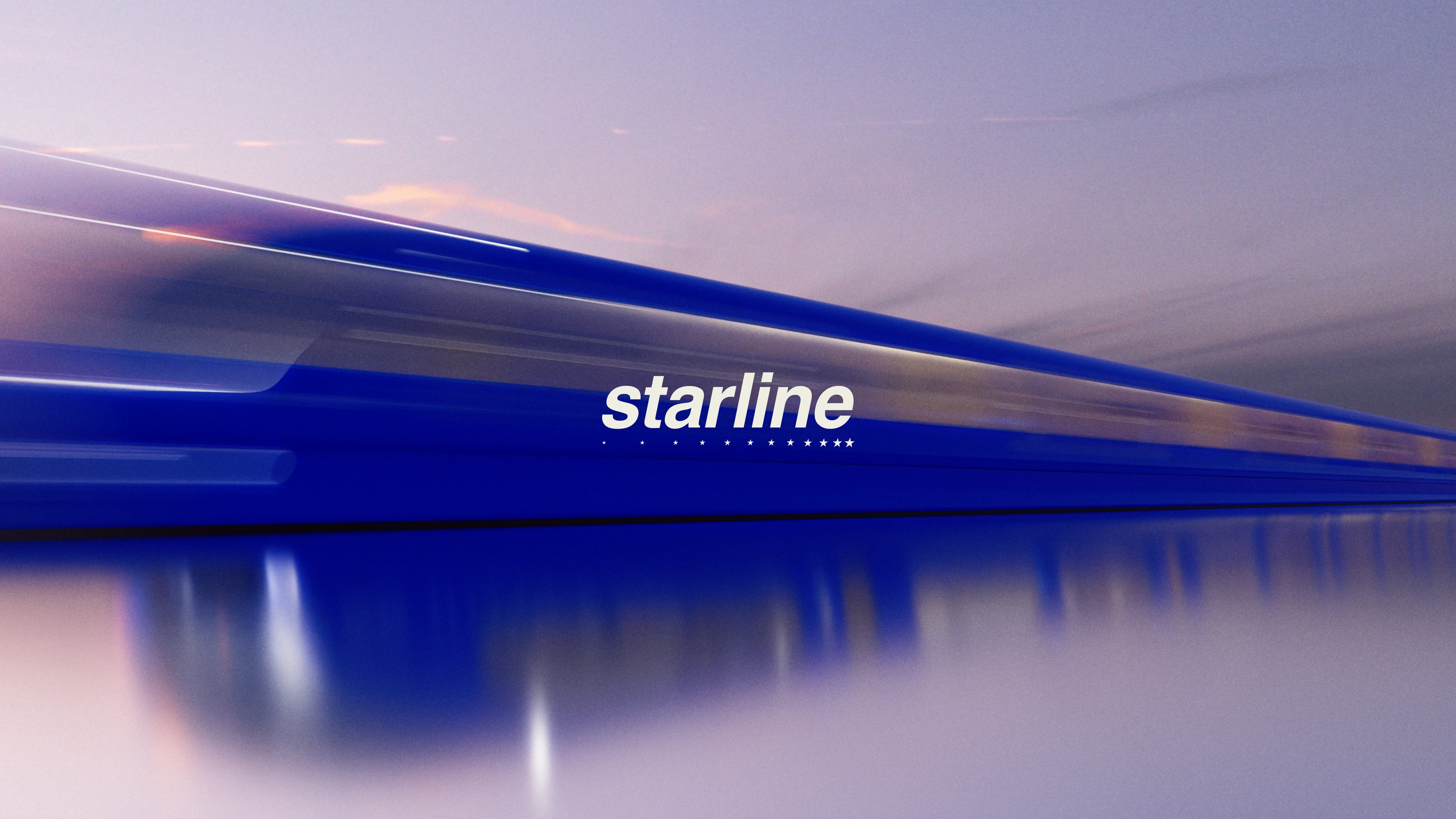
The “must-haves” came down to a few things: Use a specific shade of blue, convey that Starline would be both the fastest and the most sustainable way to move across all corners of Europe, and take the point of view of the everyday traveler, always.
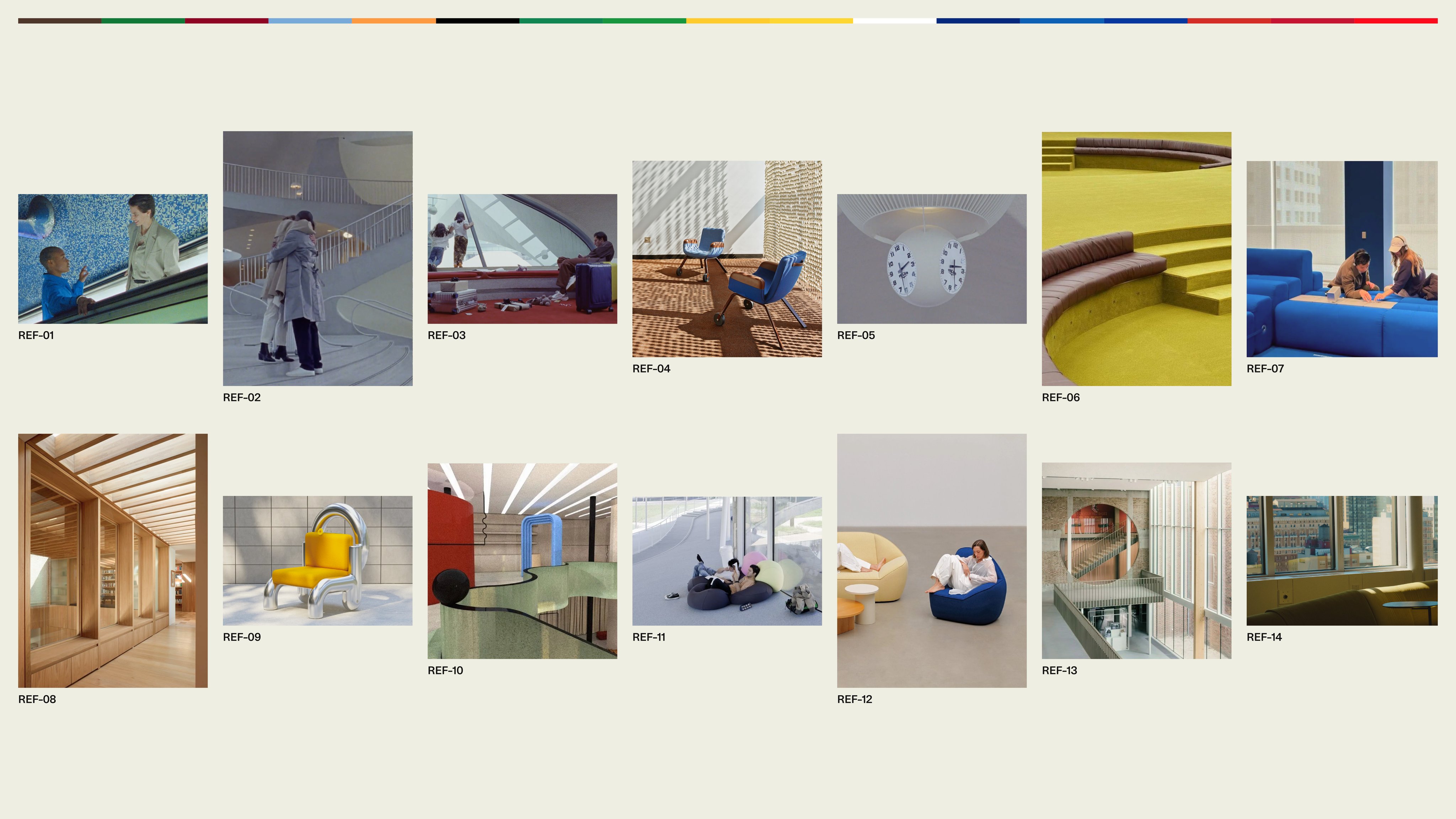
From envisioning the architecture of the train terminals to zooming in on the materials of the train seats — there were too many decisions to be made. We had to narrow things down. So we stuck to the core element of the narrative: the iconic blue train.
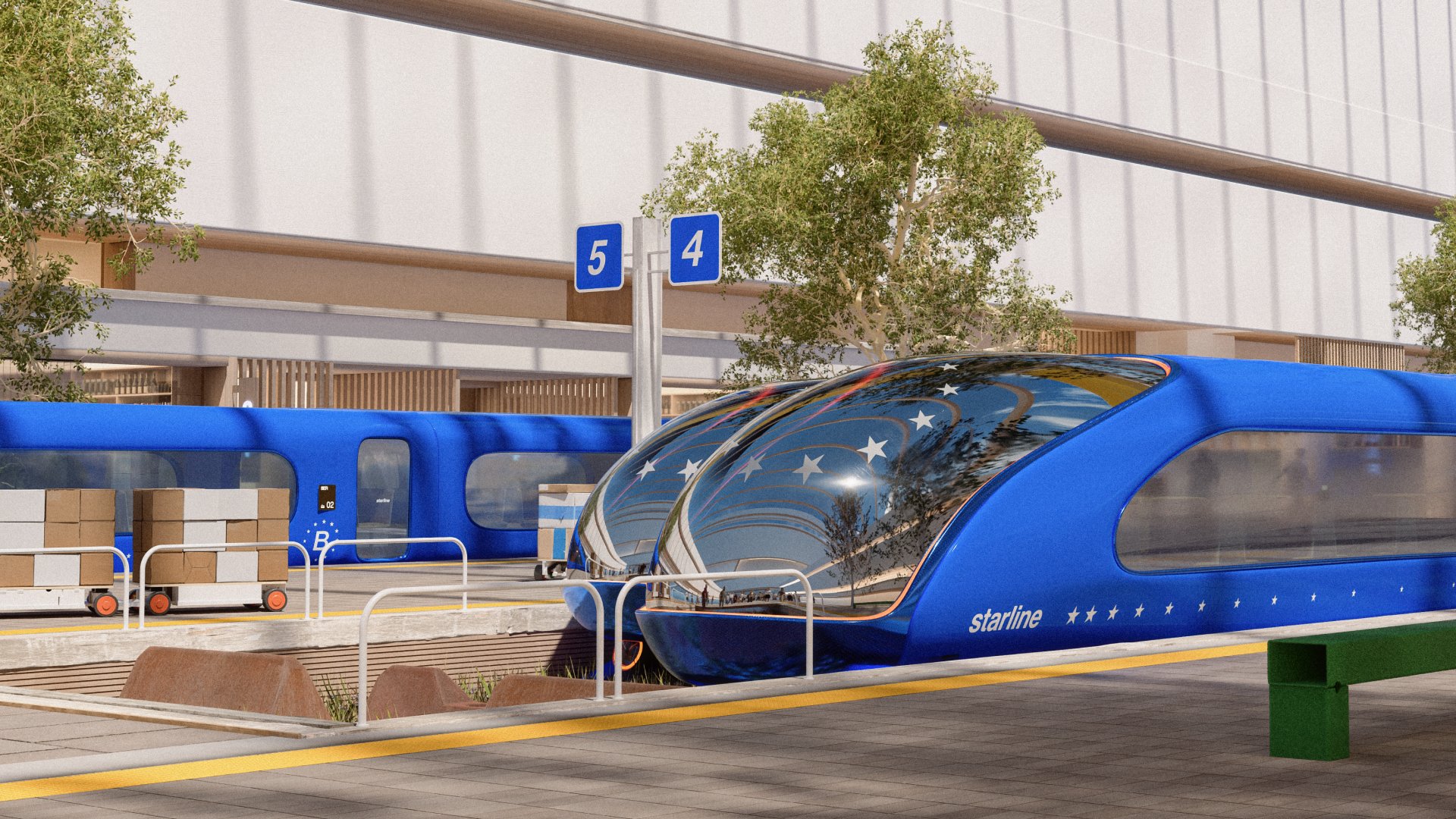
Quite a bit of time was dedicated to striking a good balance between the CG visualizations and the digital design elements. While the blueprint's TL;DR was the introduction of these blue trains, it was equally as important to signify what Starline would enable: a connected Europe.
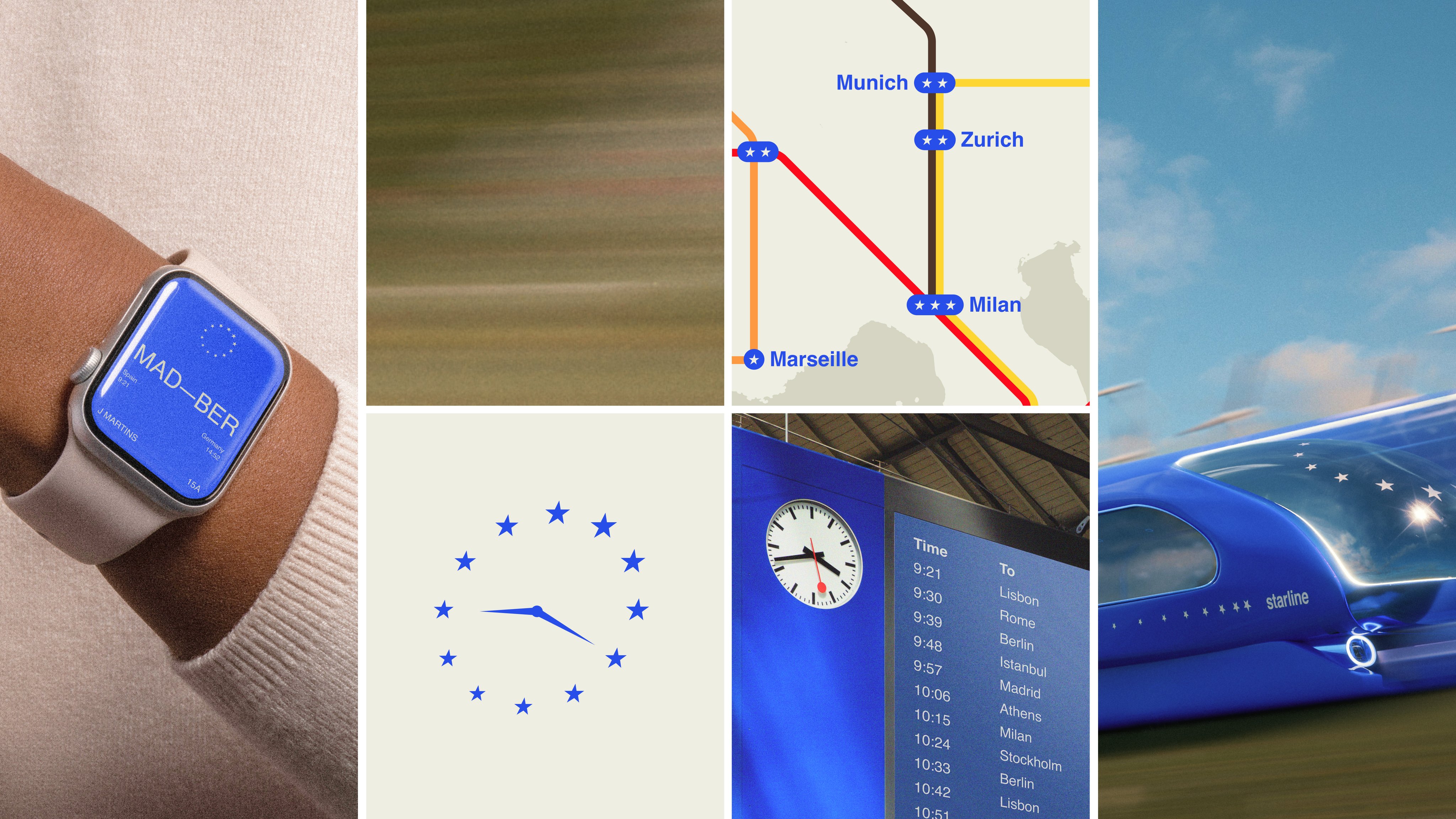
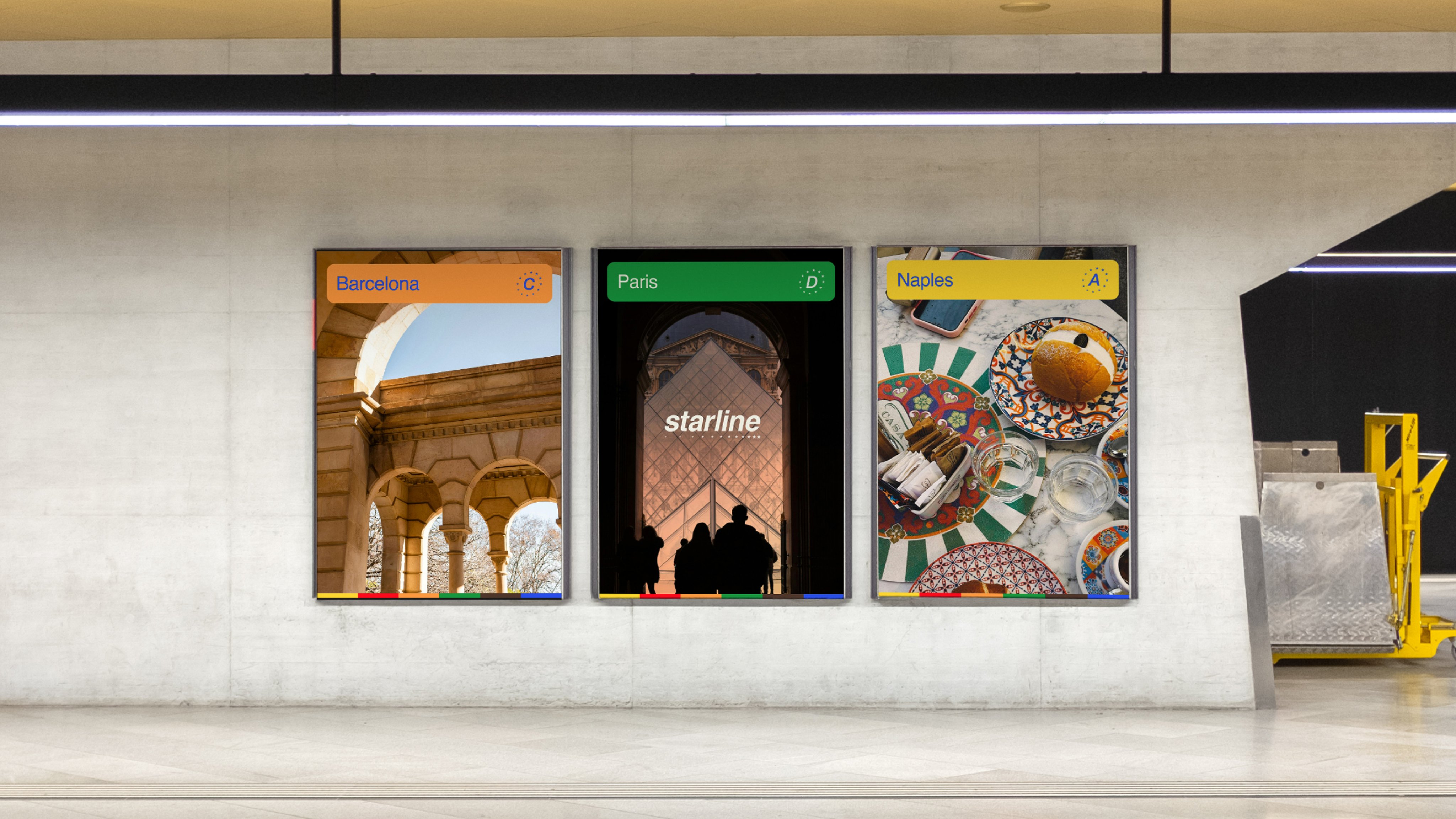
We assumed people would be excited by the train design — because it's easy to imagine yourself on a train — but it turns out that the idea of an efficient digital platform for international travel really resonates with our audiences as well.
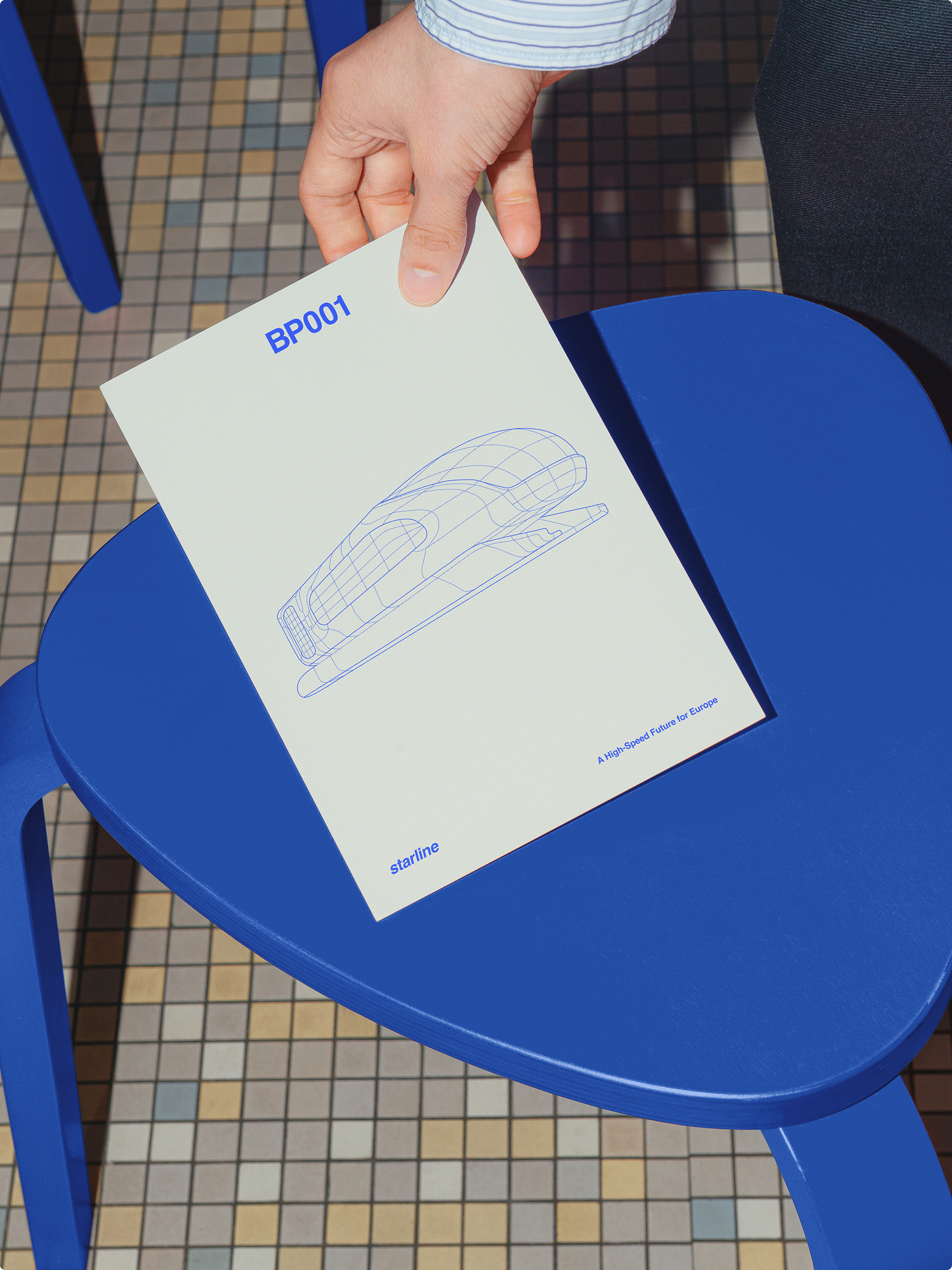
In the end, this blueprint is about much more than “just” the train itself; it's about the context, the broader ecosystem. We're trying to offer a human point of view on what is often presented as a technical, scientific, or political dossier — to get a broader audience “onboard.”