Elastic branding is the solution to an ever-adapting world
What's happening?

Although consistency and identity have never been more important to harnessing consumer trust, the brands that stand out will be the ones to stretch across these touchpoints, while always bouncing back to one core brand personality.
In our original exploration of Elastic Brands, we uncovered how successful branding meant moving from rigid visual identities toward more flexible, responsive approaches.
But as we look toward 2030, the concept of brand elasticity itself is evolving. A new wave of branding flexibility — Elastic Brands 2.0 — is now emerging, defined by AI-powered adaptability, proactive personalization, and strategic foresight.
Becoming elastic:
From reactive to responsive
Then: Hyper-reactivity
Although historical brands were rigid, structured, and tightly controlled, setting messages and sticking to them, everything changed in the late 2010s and early 2020s, when brands suddenly became hyper-responsive.
Consumers were demanding their branded opinions and responses to everything from viral marketing trends to political movements.


Now: Channel empathy
This created an era of brand insecurity, which brands are still navigating today. But the answer isn't a return to secure, solid, unwavering brands of the past.
Instead, the brands of the future need to be elastic in nature — with a strong core and fun, experimental, and empathetic expressions.
Next: Brands for you
With the development of AI, automation, and marketing tech, consumers in 2030 will expect brands to adapt to their needs at every micro interaction.
In the future, brands will, over time, create a highly valuable, custom portrait of consumer needs, based on their preferences, history, and individual relationship.

Why's this happening?
A number of powerful forces have converged to drive this transformation, from an undercurrent of consumer distrust to the constant stream of digital content.

Everything is a touchpoint
With people streaming, scrolling, searching, and shopping across more than 130 mobile touchpoints a day, according to Google, marketing teams are faced with a huge ecosystem of potential channels in which to reach customers.
As a result, opting for an "omnichannel" experience is no longer a strategy — it's simply reality for brands, who are now omnichannel by their very nature.
This plethora of channels puts brands — and the people making their decisions — at risk of overwhelm and paralysis.
Asset avalanche
In 2025, the world of branding is bigger, stranger, and more nebulous than ever.
Not only are there more competing brands, there's an inordinate amount of content out there, clogging up everyone's screens and making it harder to stand out amidst the chaos.
Attention spans are shorter and the channels through which to connect with your audience are constantly growing.
The growth of digital media demands has led to an explosion in the number of assets owned by the average brand on Frontify: a 458% increase over the last three years, to be precise.


Corporate skepticism
Consumers are growing increasingly skeptical of corporate storytelling, with 56% believing brands spend too much time talking about their values — up from 47% in 2024.
What's more, 68% of them doubt the truth behind those claims, according to the Citizen Brands 2025 study by Conran Design Group.
Amid this consumer suspicion, it's no longer enough for brands to be reactive to viral moments. They must establish a true sense of identity that's maintained amid rapidly changing times.
Trust in demand
Establishing trust is more important than ever. More than two-thirds (68%) of loyal customers say they'd continue buying from their favorite brands, even if prices increased, according to recent data from UserTesting.
Plus, on average, consumers say they're willing to pay 25% more to stick with a brand they trust.
The research highlights a growing connection between trust and risk tolerance — as prices rise and choices expand, people are relying on familiar brands that have earned their confidence over time, even if they cost more.

How is this happening?
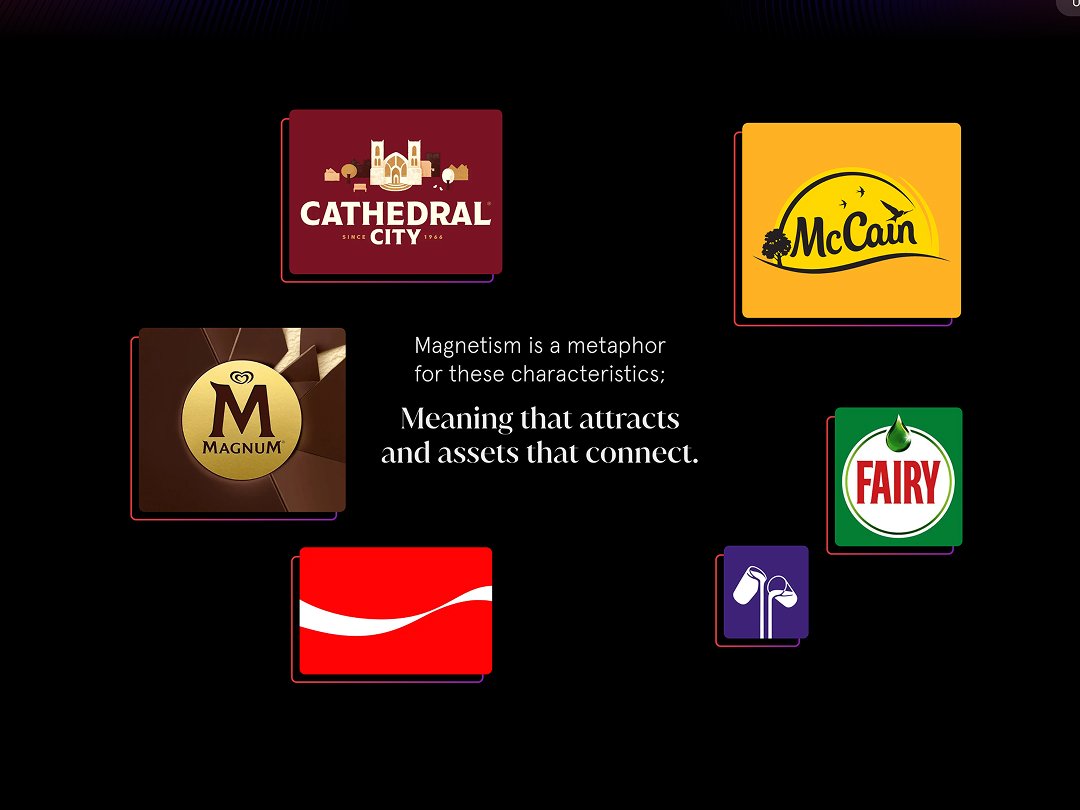
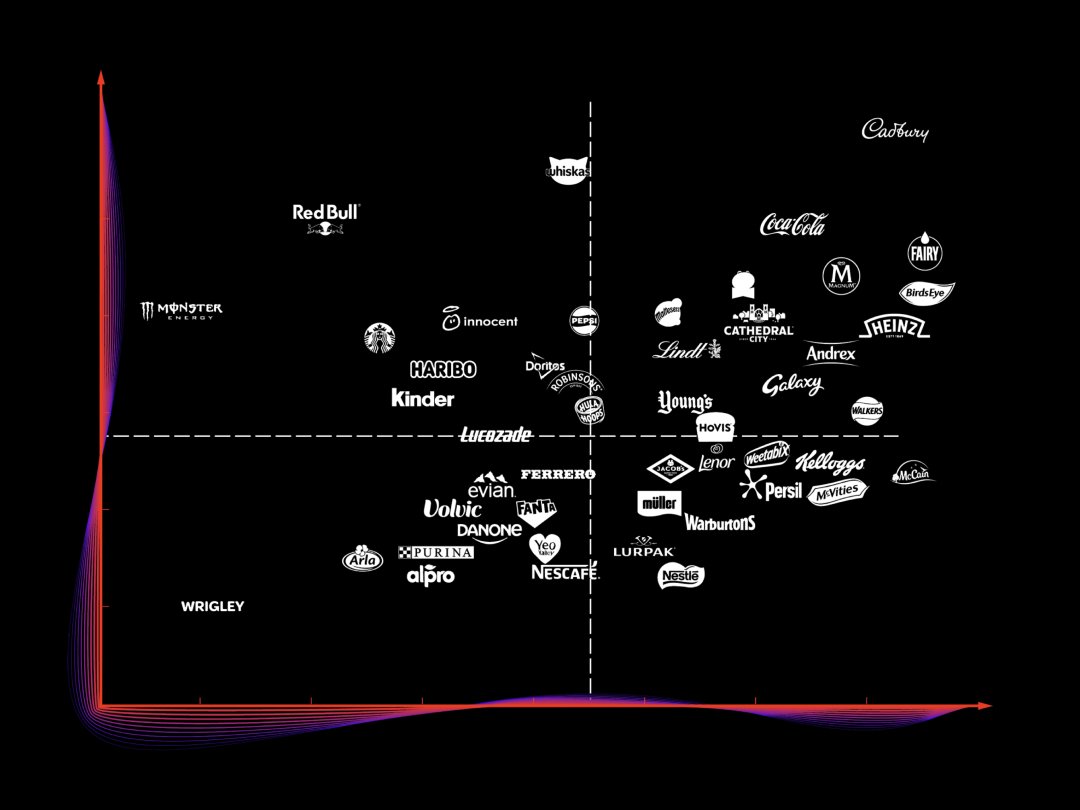
The UK Brand Magnetism Index — a new diagnostic tool developed by BrandOpus and CloudArmy — taps the power of consumer neuroscience to measure just how effective brand identities are today.
The index was created based on the recognition that the modern challenge for brands isn't about being seen — "it's about being remembered."
"To cut through the noise, brands need an identity-first approach — one that combines a long-term, 360-degree idea with a cohesive visual identity system," explains BrandOpus's head of strategy Leo Hadden."
This means owning a meaningful role in people's lives — a foundational brand idea that captures what your brand stands for."
The index works by evaluating two critical dimensions. The first is meaning: what the brand stands for in the minds of consumers; and secondly, connection: how well the brand's identity system holds together across multiple touchpoints to create a cohesive and memorable experience.
The UK Brand Magnetism Index: Measuring magnetism


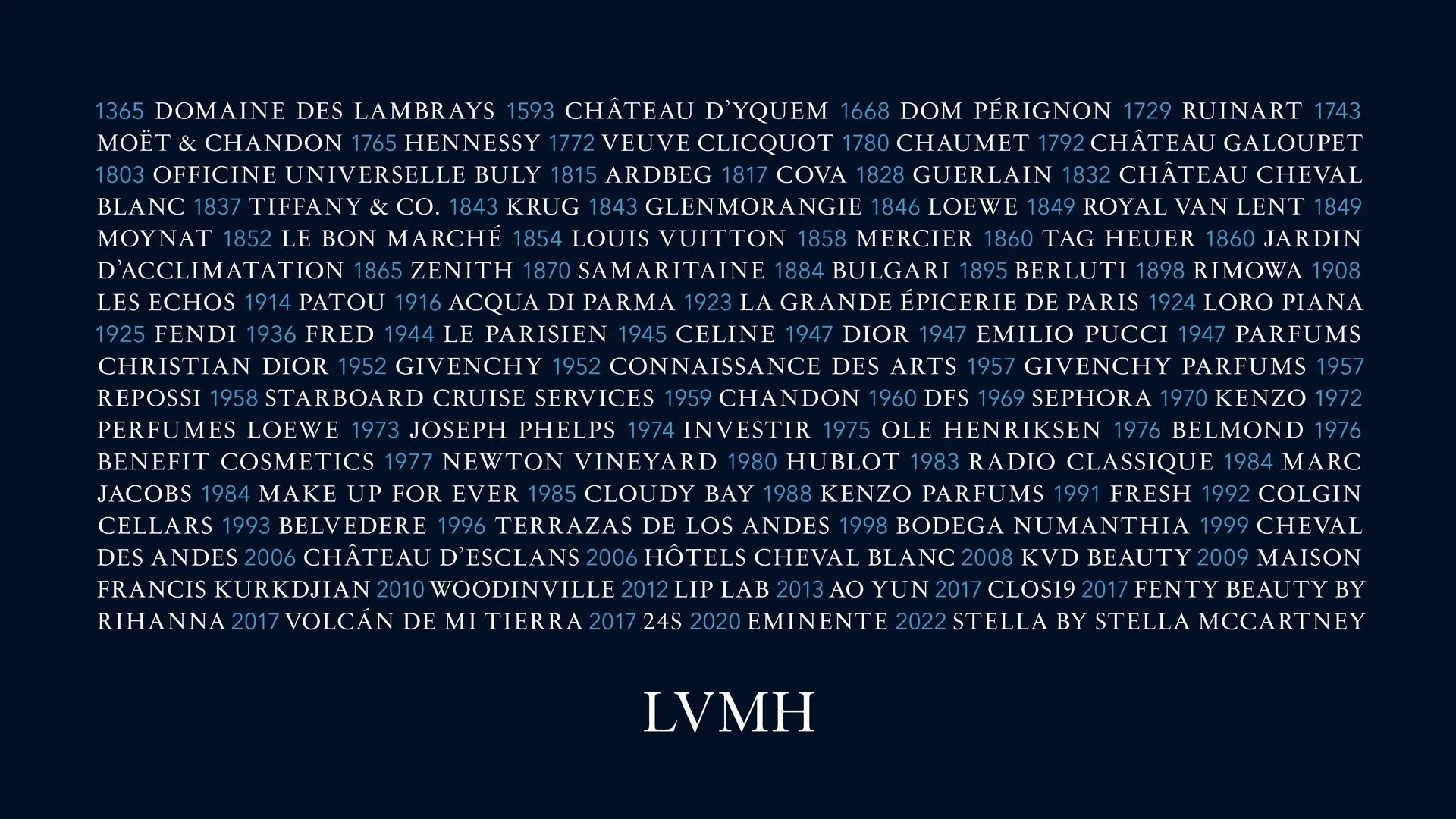
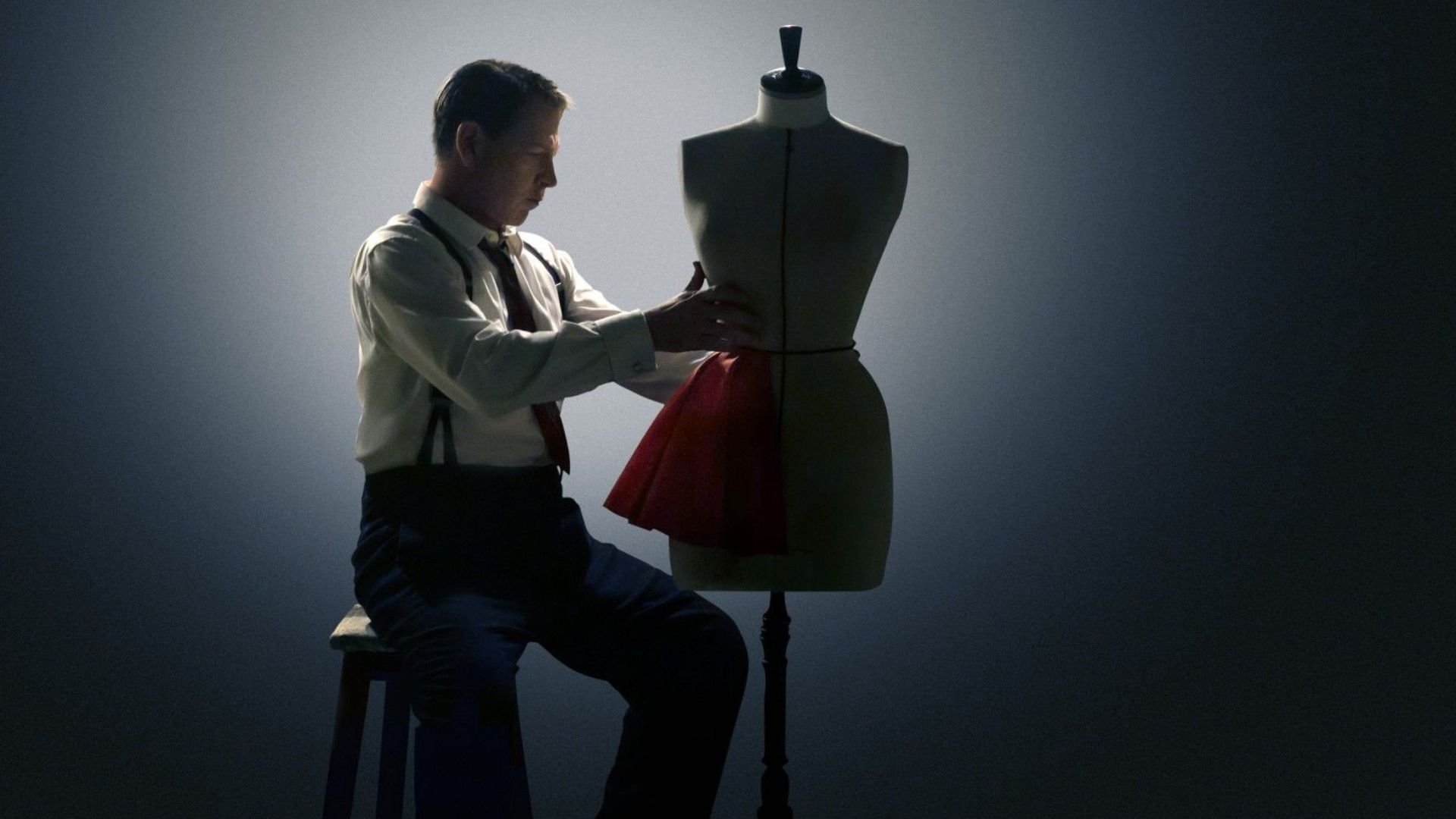
The design house is one of several luxury brands to shapeshift across industries and become fluent in cultural languages beyond its original remit of fashion, beauty, and lifestyle.
Supported by its 75+ brand portfolio, LVMH is entering the world of media and entertainment with its announcement of a new audiovisual division known as 22 Montaigne Entertainment.
Although the brand has remained secretive on details of its projects, the plan is to introduce its "storied" brands into the sector through collaborations with film and TV creators, producers, and distributors.
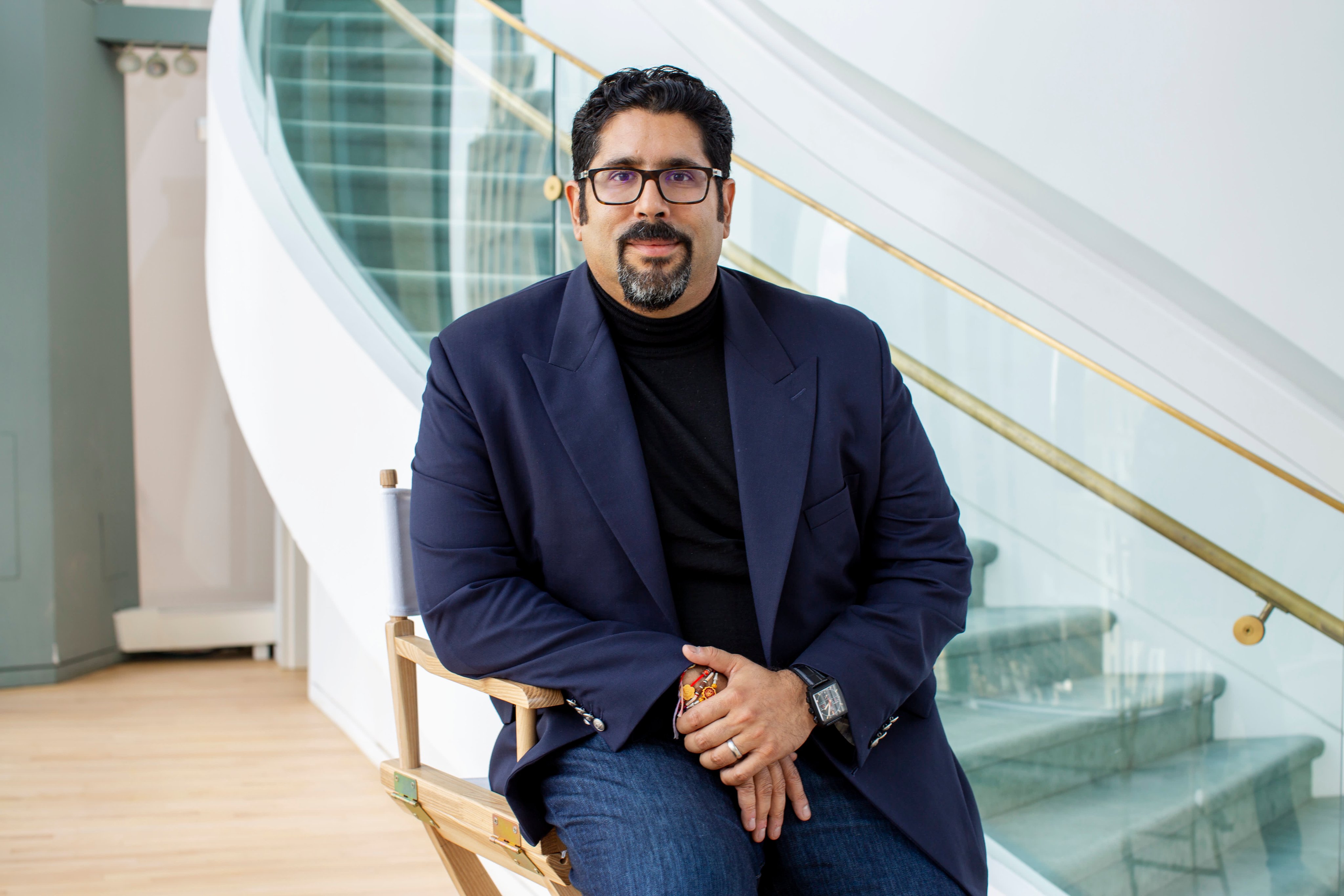
"At LVMH, we view each Maison as a house of stories, a distinct creator of culture," its CEO Anish Melwani explains.
"We embrace the belief that these narratives are meant to be experienced rather than simply told, and our goal is to further leverage premium entertainment as a means to share the richness of these tales with our customers."
LVMH: Sector shapeshifting
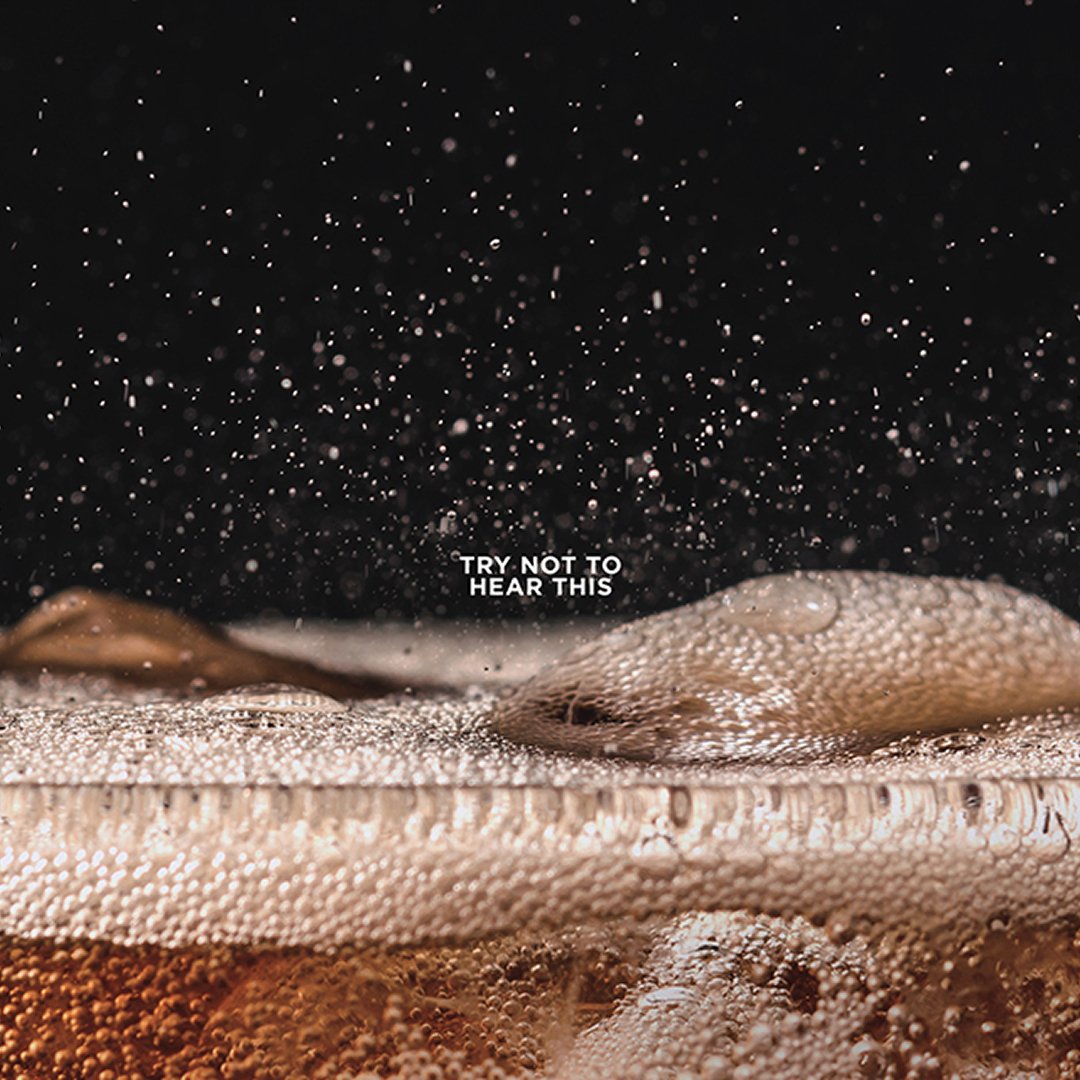
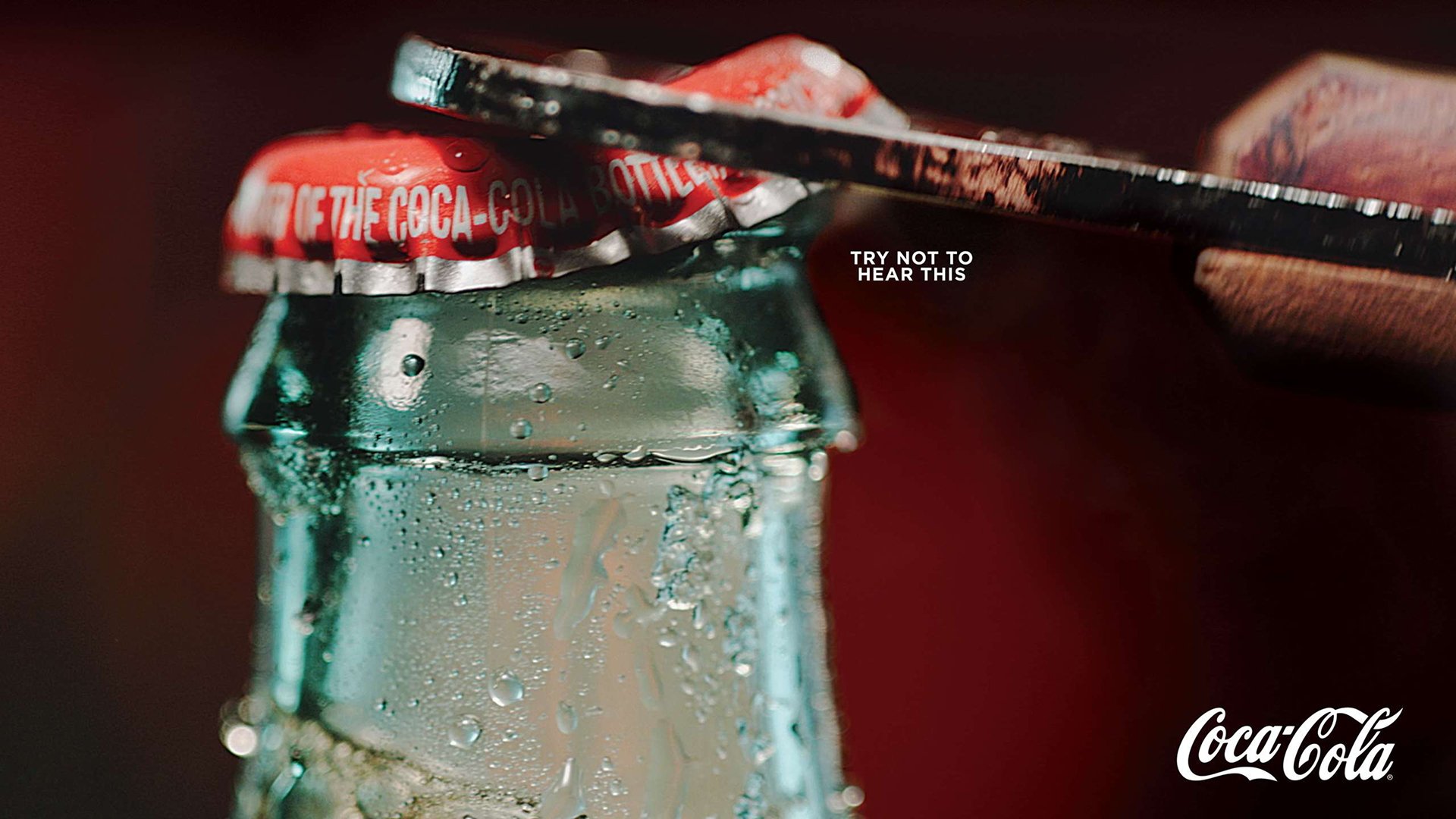

Coca-Cola's latest campaign, simply titled Classic, acts as a response to the loudness of brand marketing today and shows the brand's team has been taking note of trends.
Most notably among them: the marketing landscape is getting louder as brands fight for people's eyeballs, eardrums, and, ultimately, full attention.
The campaign taps into Coca-Cola's cultural recognition in classic literature, highlighting the prose that has featured the brand name over the years.
The brand, which itself has taken louder and more attention-grabbing approaches to marketing in recent years, has revealed its elastic brand credentials by taking a "quieter" approach this time.
The campaign shows that, as a culturally iconic brand, it doesn't need to compete for consumers' attention.
Coca-Cola: Listening to the noise
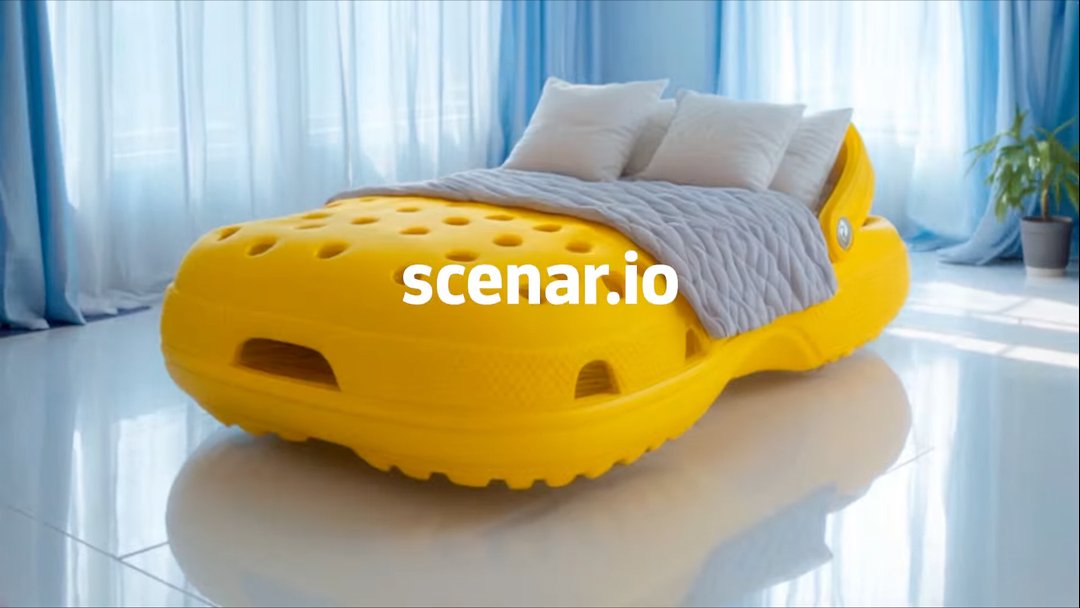

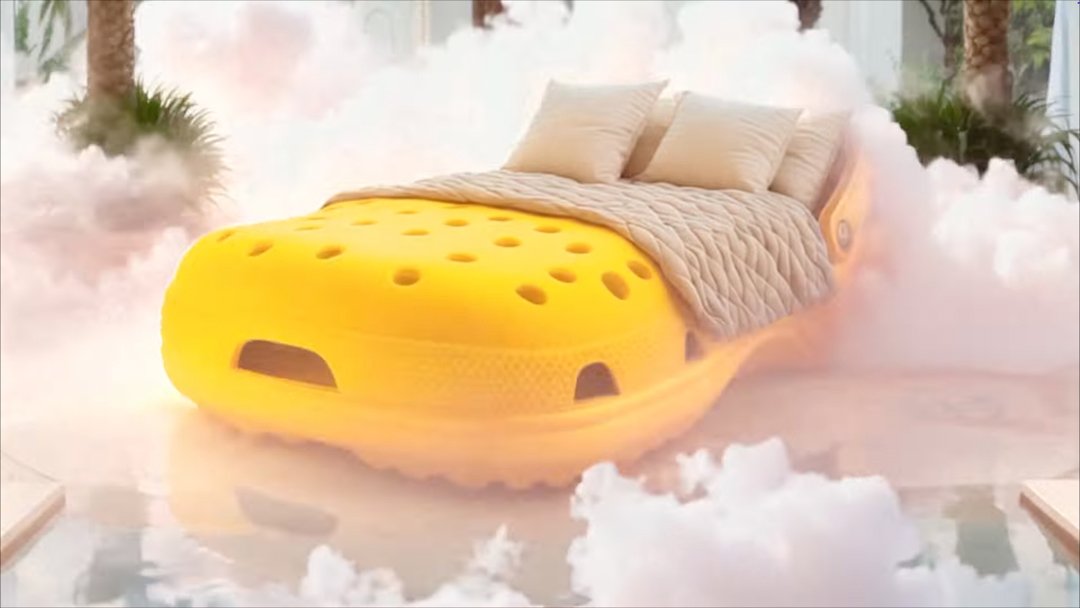

Developed by Jung von Matt, SCENAR.IO exemplifies brand elasticity through generative AI. Integrated directly into Frontify, SCENAR.IO enables rapid, consistent, and scalable creation of on-brand visuals and content.
Using AI trained specifically on a brand's unique identity and style, this technology facilitates seamless integration of products into new visual scenarios with just a single reference image.
SCENAR.IO ensures visual coherence, operates on secure, GDPR-compliant European servers, and swiftly adapts to dynamic consumer expectations, helping brands remain elastic without sacrificing integrity.
"Brands today need more content than ever — but without losing their identity," says Max Lederer, Chief Innovation Officer. "SCENAR.IO combines quality with efficiency, using AI to strengthen rather than dilute the brand."
SCENAR.IO by JvM STABLES: AI-driven brand coherence
What’s next?
- As digital media further embeds itself into our lives, touchpoints will continue to multiply, and brands will fight to maintain relevance across each consumer channel.l language banking will become mainstream, requiring distinctive AI brand voices across millions of daily interactions
- Operations will become decentralized and collaborative across many territories, allowing brands to create more channel empathy and reach consumers on a hyper-personal level.
- Growing economic, political, and technological uncertainty will demand that businesses are equipped with agile structures that can adapt quickly and responsibly.
- As marketing teams become more reliant on artificial intelligence, consumers will respond to engagement that's responsive to their needs and personalities on a human level.
Future implications: Ensure businesses remain relevant well into 2030
Anticipate problems
To become a kinetic brand that's able to fluctuate at a moment's notice, companies must move beyond reaction to take a kinetic approach, foreseeing problems before they exist and adapting their structures accordingly.
Teams will need to hire new roles whose job will be to anticipate these changes in the market.
Build a brand ecosystem
Workforces will need to collaborate wisely if they are to establish elasticity as a collective force.
Creating a brand ecosystem that acts as an interconnected environment of applications, integrations, and tools can double as a collaborative playground designed to customize and scale unique content creation processes and build elastic brands.

Create channel empathy
A one-size-fits-all approach may reflect a strong brand personality that isn't easily swayed by trends and market fluctuations, but it also suggests your brand isn't listening to customers or welcoming of their nuances.
Use data to learn about the unique traits and quirks of your audience, then communicate with them through the channels that they feel most comfortable interacting with.