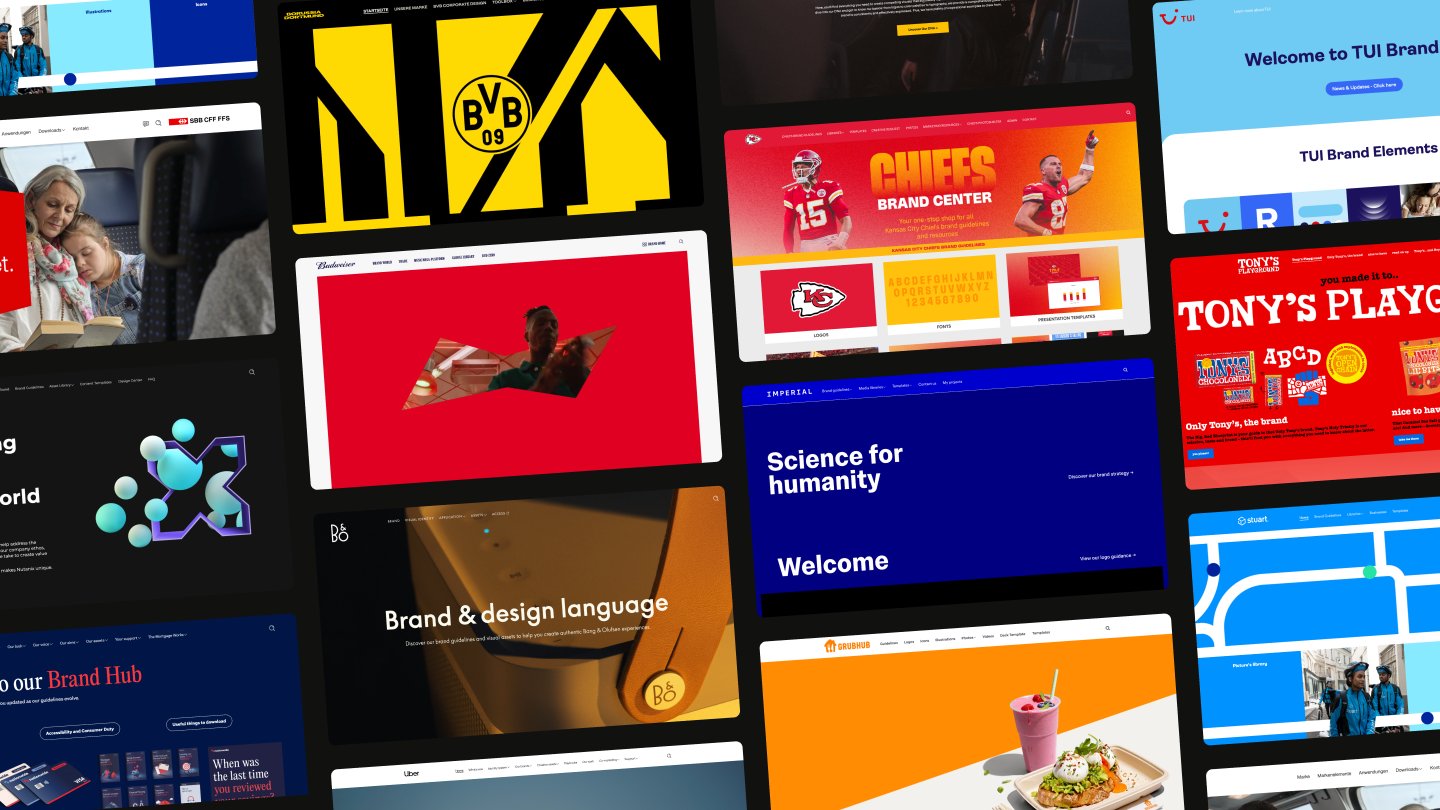

Frontify for professional services
Transform brand management for complex organisations
Assets are scattered across platforms and teams work in silos. To operate effectively, brands need to move toward centralised systems that bring clarity, control, and scalability to brand operations.






Professional service brands need to establish a robust system of record to future proof their brand identity.
Balance governance with flexibility
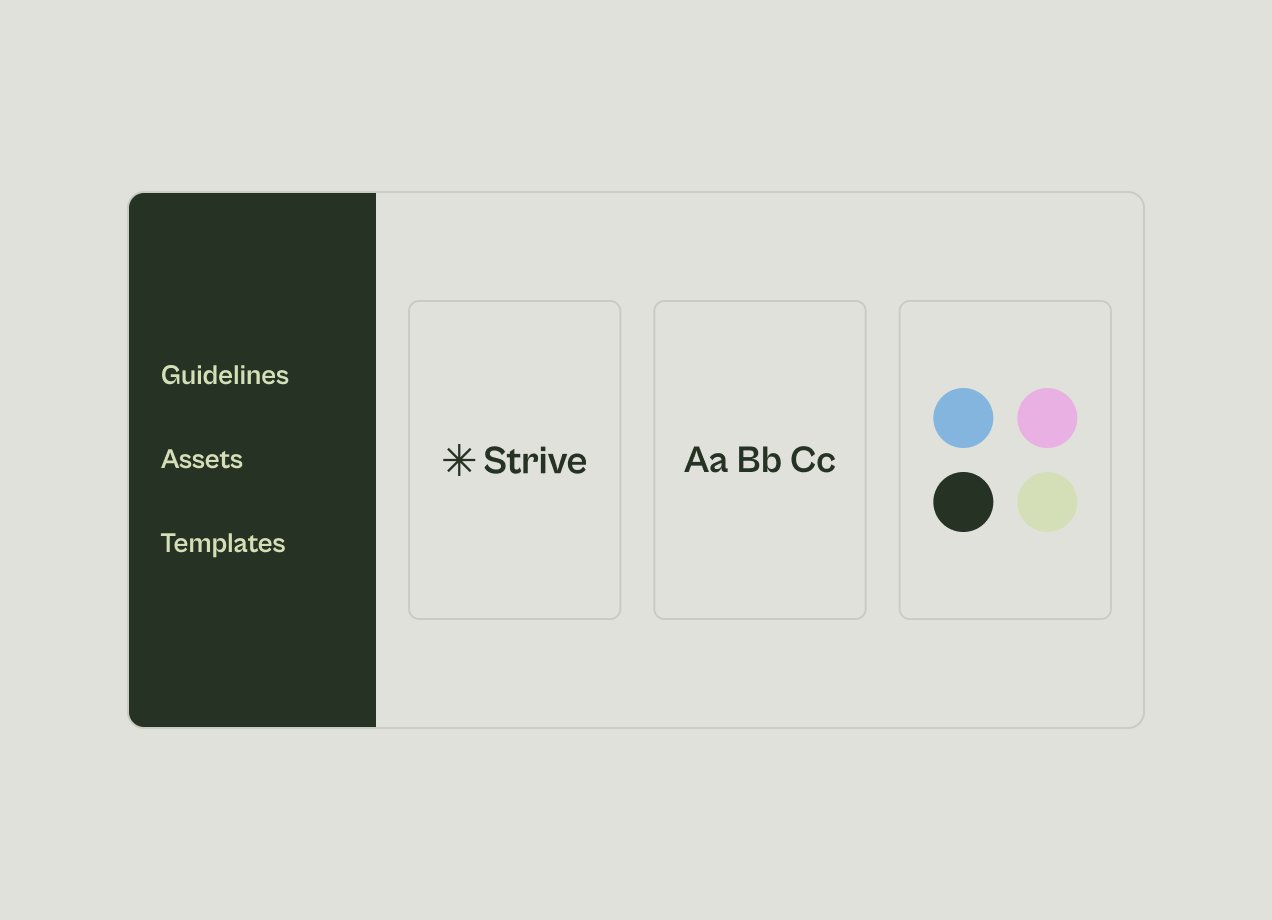
Too much control can slow teams down, while too little creates inconsistency. What’s needed is a system that provides clear governance while allowing for controlled flexibility, enabling regional teams and partners to adapt content without compromising the brand.
Embracing the new role of AI and automation
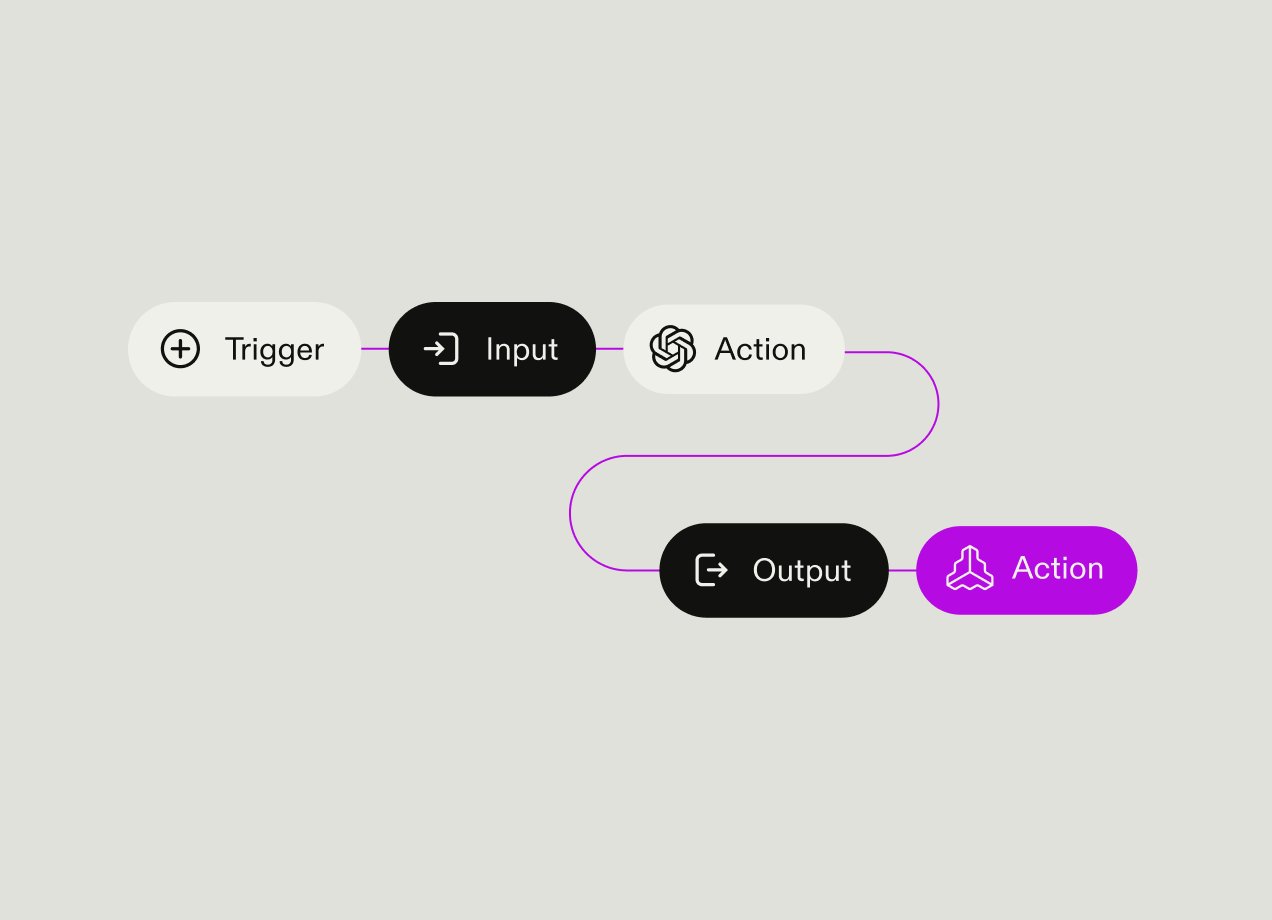
- Improving how assets are discovered through more intuitive search
- Automate how content is tagged and organised
- Extend the power of your Guidelines across your tech stack
This reduces the manual effort required to manage large-scale asset libraries and open up new possibilities for how quickly teams can create, adapt, and distribute content.
Firms shift toward centralised brand ecosystems
Brands need a system that reflects a growing need to:
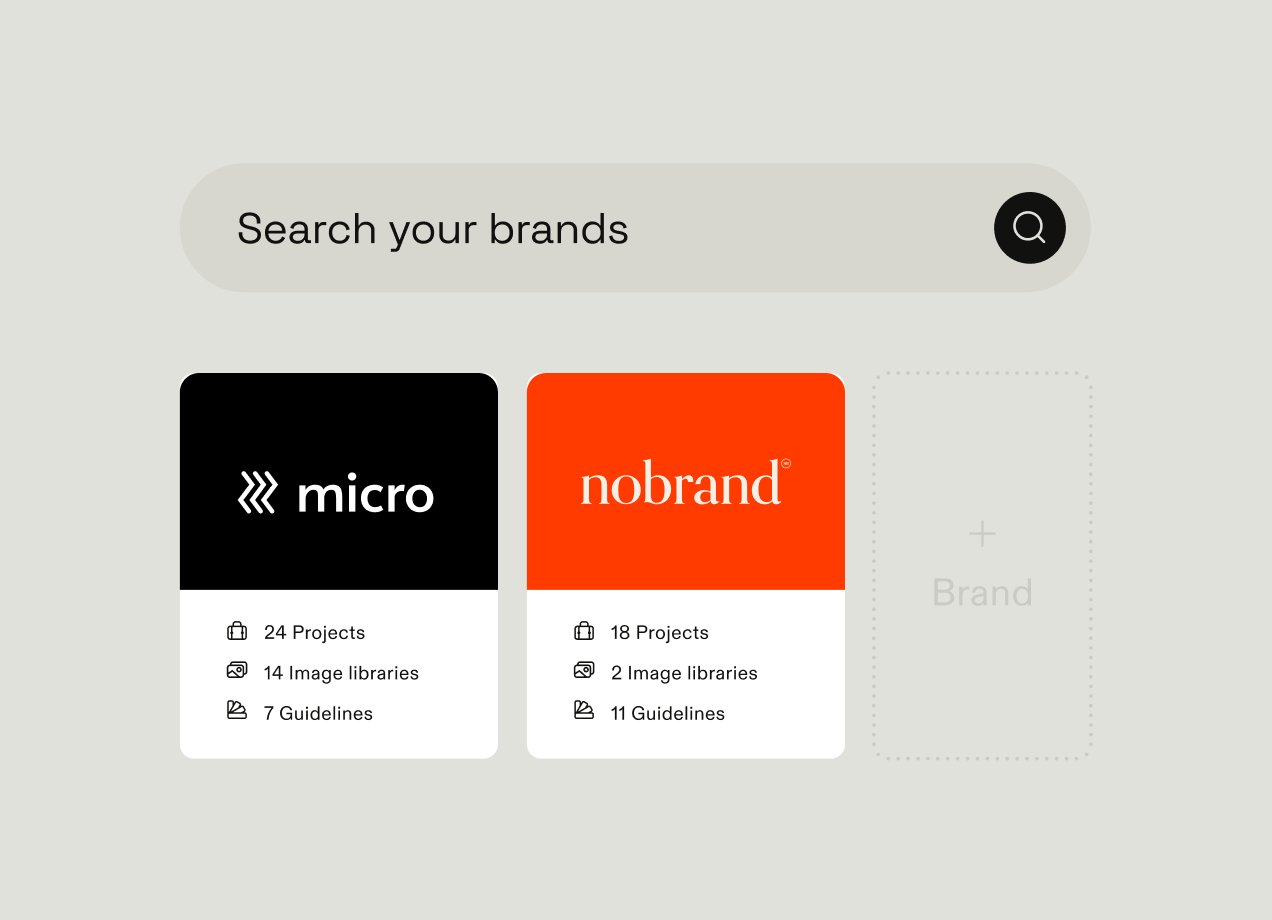
- A DAM that can manage increasingly large asset libraries
- Permissions that scale access for teams across different regions and functions
- Templates that eradicate version control issues, duplication nuances, and reinstate confidence in brand assets
FAQs
Why is centralization important for brand management?
Centralisation creates a single, reliable source of truth for brand assets and guidelines. This reduces duplication, improves consistency, and makes it easier for teams to find and use the right materials.
How does AI improve asset management?
AI helps automate time-consuming tasks such as tagging and organising assets, while also improving how users search for and discover content. This makes large asset libraries easier to manage and navigate.
How do you maintain brand control while enabling flexibility?
A structured system combines governance with controlled flexibility, allowing teams to adapt content for different markets or use cases while still adhering to core brand standards.
What are the challenges of moving from legacy systems?
Migrating from legacy systems often involves transferring large volumes of content, cleaning metadata, and ensuring teams adopt new ways of working. A phased approach can help manage this transition effectively.
How does this fit into existing workflows?
Modern platforms integrate with the tools teams already use, allowing them to access and work with brand assets without needing to significantly change their existing processes.
Explore how Frontify powers exceptional brands