
In 2020 McDonald’s ran an ad campaign that didn’t show its logo, mention its name, or show pictures of its products. Instead, it listed the ingredients of some of its iconic products, relying on font and color palette to build brand recognition. That’s exactly what your brand’s visual identity should do: make your brand instantly recognizable to customers, even among a sea of competitor products.
Your visual identity is the collection of visual elements, like logo, colors, fonts, and images that bring your brand to life. But it’s more than just those visuals — it’s also the documentation that ensures these elements are used consistently and appropriately across the business.
To build a strong visual identity, you need clear documentation and processes for implementing brand visuals at every touchpoint. Here’s how to build and manage your brand’s visual identity at scale.
Key takeaways
- Design is just the first step in building your brand identity — to make your identity strong and cohesive, it needs to be documented and shared through dynamic, centralized brand guidelines.
- Documentation enables teams to stay on brand, meaning your brand becomes more distinctive and cohesive as all touchpoints have a consistent visual identity.
- True brand recognition happens when every department, region, and partner can act on the same visual principles.
What is a visual identity?
Your visual identity is how your brand looks. It includes the visual elements (such as logos, colors, icons) that communicate your brand’s personality, values, and promise to the world. They help people recognize and identify your products, adverts, and other touchpoints, reinforcing your brand’s overall perception and experience.
Several elements make up your brand’s visual identity:
- Logo
- Color palette
- Fonts and typography
- Imagery and photographs
- Icons, graphics, and illustrations.
Your visual identity also includes the documentation, standards, and processes that ensure you present a consistent brand identity across all channels and mediums. Modern visual identities are comprehensive systems, not just a collection of assets — they include the rules, structure, and governance required to implement your visual branding consistently.
Visual identity vs. brand identity
Visual identity is how a brand looks, while brand identity is broader, also encompassing how a brand sounds and feels:
- Visual identity focuses solely on the creation and execution of a brand’s visual aspects.
- Brand identity encompasses the visual identity and non-visual elements, including the brand voice, values, and messaging.
Both visual and brand identities require consistency across all touchpoints and aim to communicate the brand’s personality and promise.
Why documenting your visual identity matters
The visual elements that make up your brand are just one part of your brand’s visual identity. The documentation that explains when and how to use each element is just as important for building your visual identity. Without clear documentation, it’s impossible to ensure adoption and correct usage of different visual elements across the business, so you can’t achieve brand consistency at scale.
Documenting your brand’s visual identity supports brand enablement, where teams and individuals can easily and independently find trustworthy, up-to-date brand information and resources that they can then use in their work.
Often companies start by documenting their brand guidelines in static PDF documents. These work well for small brands with simple branding requirements, but as companies grow and brand needs become more complex, PDFs become more of a blocker than a help.
PDF brand guidelines are difficult to manage and update at scale, so as brands evolve companies need to produce new brand books and repeatedly circulate across the business. That introduces risks as it’s hard to ensure everyone is referencing the latest version.
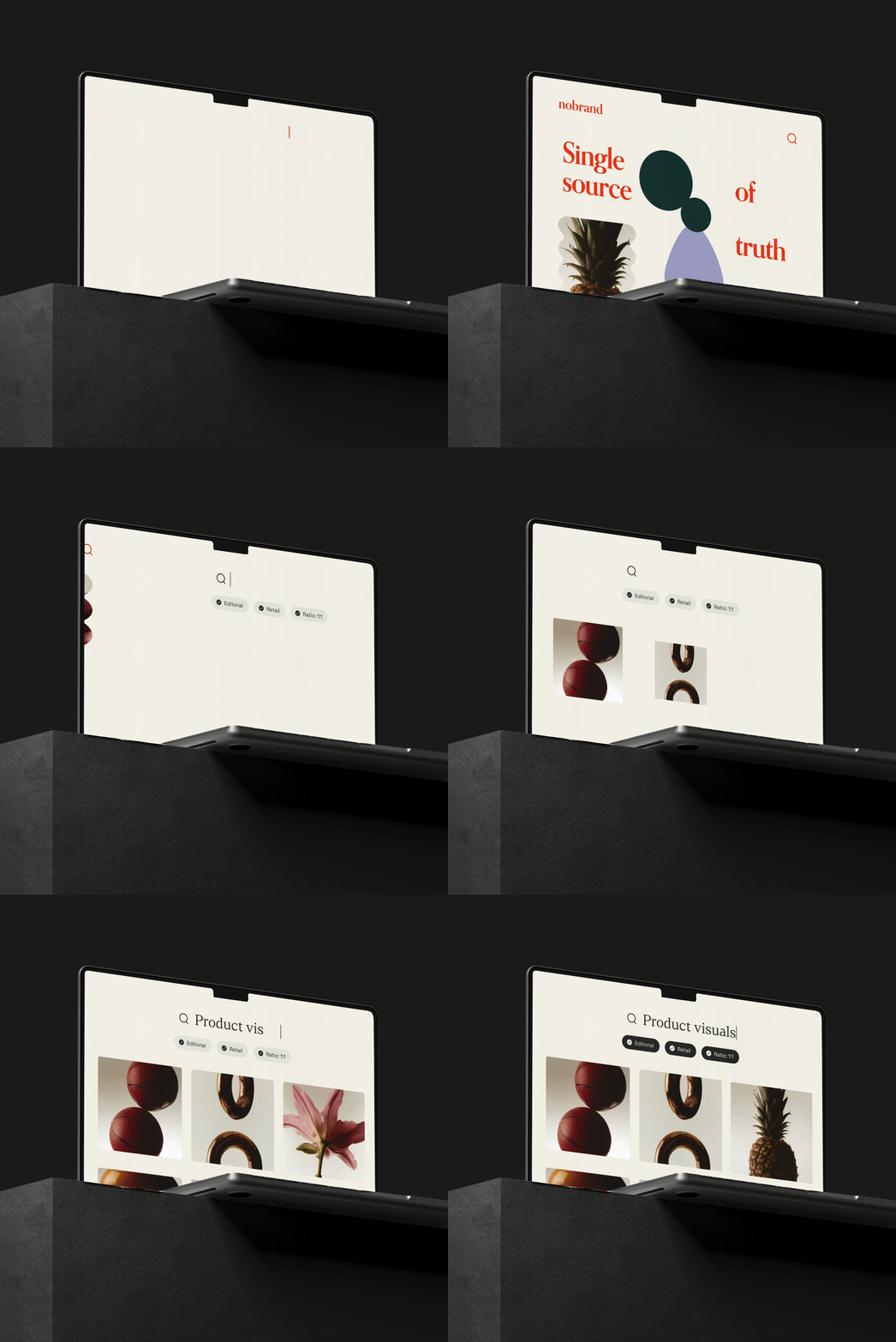
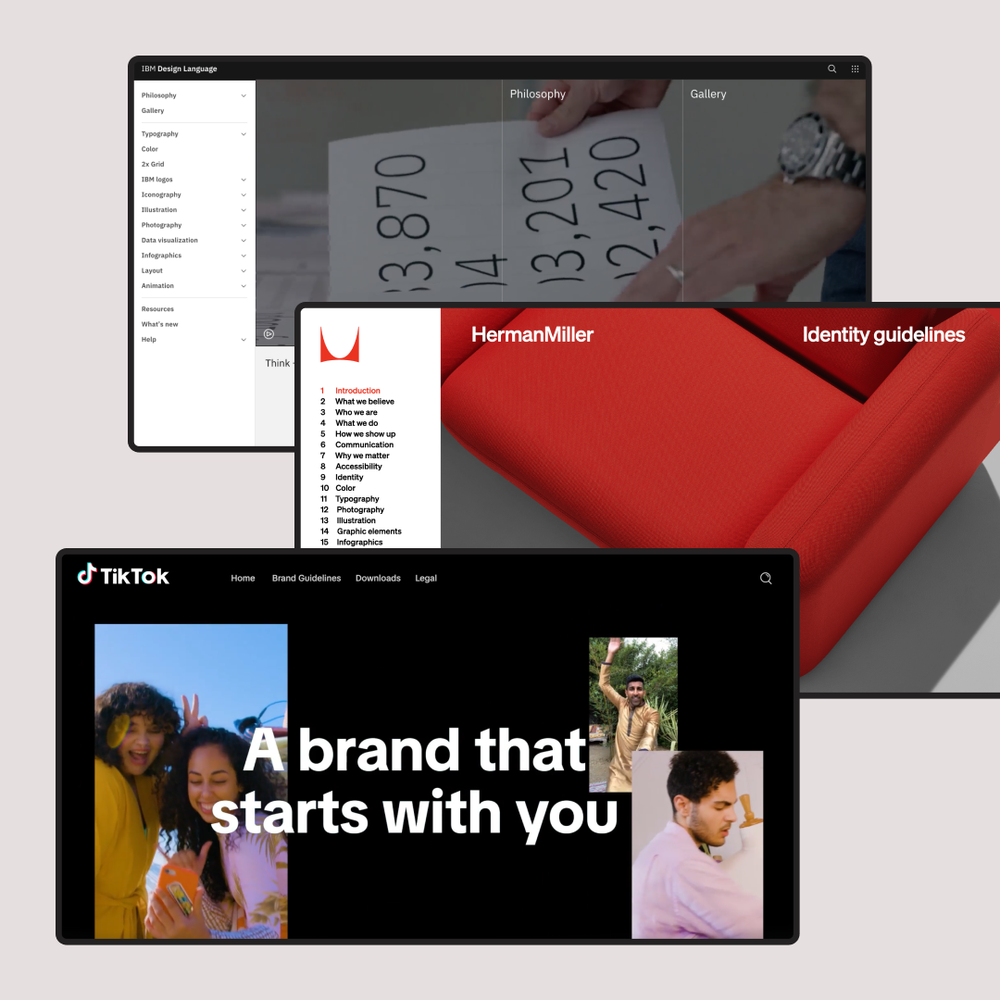
To better support brand adoption and consistency across the business, companies then switch to centralized, dynamic brand guidelines for documenting their brand’s visual identity. Online guidelines like Frontify’s Brand Guidelines provide centralized guidelines that are instantly accessible to everyone. Any changes sync instantly for all users, and they’re easy to search if users are looking for information around specific visual elements.
Key elements of a strong visual identity
There are several visual elements that work together to create your brand’s recognizable look and feel.
These elements all combine to ensure all your brand materials present a consistent visual identity. Used correctly — following your guidelines and documentation — your brand is recognizable across each touchpoint.
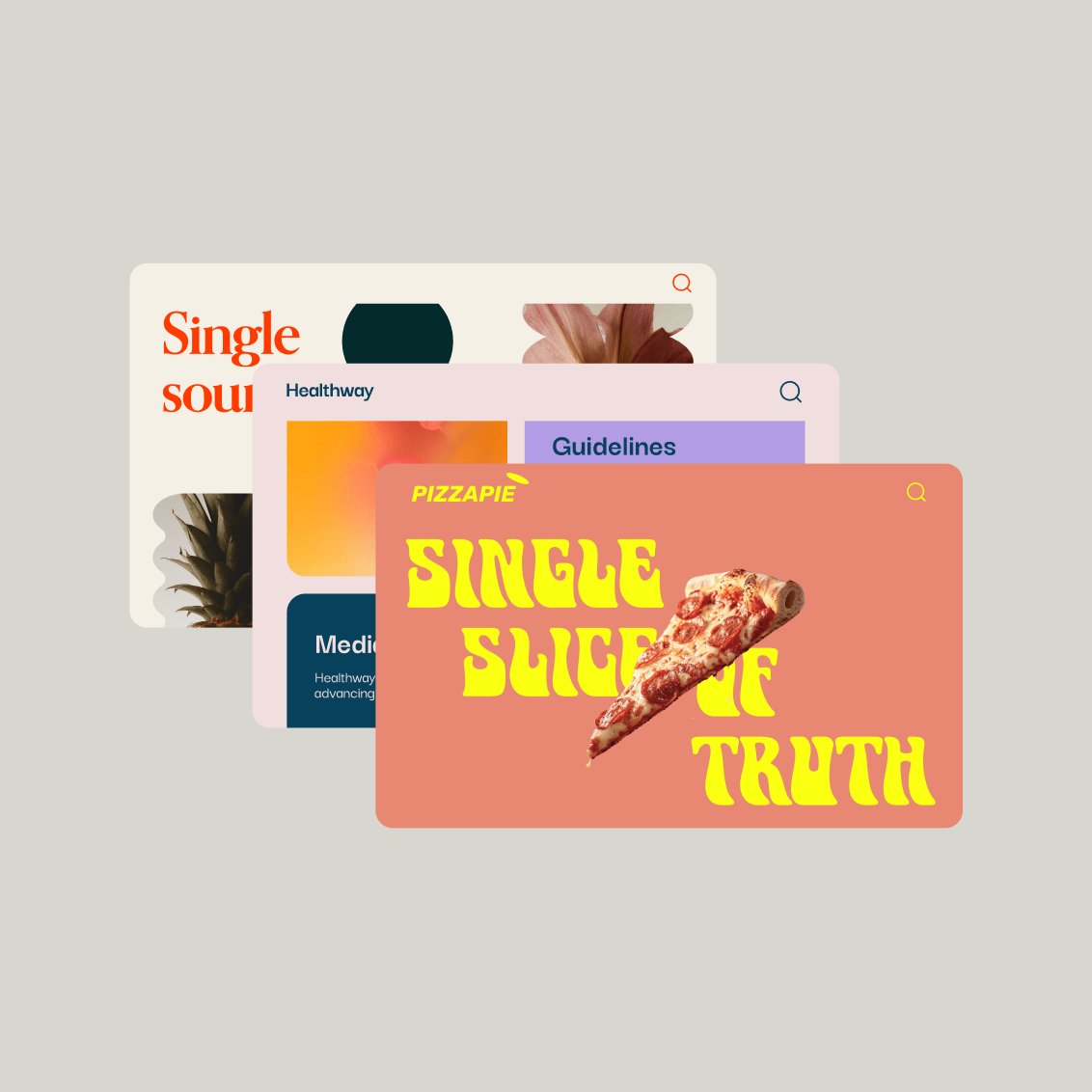
To present a consistent visual identity, you need a single source of truth where you document and centralize all the guidance related to your brand’s visual elements. Frontify’s Brand Guidelines provides that centralized home for brand documentation, for the visual and other elements of your brand identity.

To present a consistent visual identity, you need a single source of truth where you document and centralize all the guidance related to your brand’s visual elements. Frontify’s Brand Guidelines provides that centralized home for brand documentation, for the visual and other elements of your brand identity.
How to build a visual identity that scales
Getting the right logo, colors, imagery and fonts is important for creating your brand’s visual identity in the first place, but to maintain a strong, consistent identity over time, you need a system in place that enables people to implement that identity.
Building a visual identity for your brand is as much about effective governance and an operational challenge as it is a creative one. You need the information, resources, tools, and processes in place to ensure your brand remains visually consistent, whether you have one person creating brand assets or one thousand people.
There are a few steps you can take to create a scalable system that lets you build a consistent, recognizable brand identity. These include:
- Centralize brand access: Use a centralized portal to store all your brand’s visual elements and brand guidelines, so that everyone can find and use the appropriate files, rather than making your marketing or brand teams the gatekeepers of your brand.
- Empower teams: Create resources that let non-designers and non-marketers create on-brand content. Document detailed brand guidelines so they understand how to use visual elements correctly, and create customizable templates (like Frontify Templates) so they can create branded materials that meet your brand standards.
- Maintain governance: Set up workflows and processes for reviewing and approving brand materials. Track usage of visual elements and brand guidelines using analytics, to understand how brand elements are being used across the organization. Monitor access and user permissions to ensure people have access to the right brand materials.
- Scale adoption: Focus on providing ongoing education and training to help new and existing team members understand how to correctly use brand elements. Make visual elements accessible via a central portal, and continue to empower users to use brand materials independently. Track analytics data to identify teams with low asset usage, and provide additional support to help them use brand assets with confidence.
To build a brand identity that scales, you need to think more about adoption and ongoing use than about individual brand assets. Documentation and operational systems and processes bridge the gap between your design team and the rest of the organization. They ensure your brand’s visual assets actually get used — they’re how design becomes action.
How to create a visual identity (step-by-step guide)
Establishing a visual identity system is a strategic process that involves the whole organization, to build a visual identity that aligns with your brand’s purpose and long-term goals. It requires buy-in from all team members, at all levels of the business, so you can maintain consistency and effectiveness across all touchpoints.
This practical, five-step framework will guide you through the process of building, scaling, and maintaining your brand’s visual identity.
Step 1: Define brand foundations
Your brand foundations encompass your mission, vision, audience, and personality of your organization. It’s essential to clarify these before any design work begins, as they will help guide and shape any creative decisions. Here’s how to define and codify these essential elements and lay the foundation for all your branding efforts:
- Articulate your brand’s purpose: Explain and document what your brand stands for and the impact you want to make in your industry or community. This purpose should resonate with your internal teams and your target audiences.
- Identify your audience: Knowing the target audience for your product, services, and brand can influence the creative direction of your visual branding.
- Outline your values: Identify the principles that guide your actions and decisions. Reflect on your brand’s essence and illustrate how it shapes your company culture. The more your employees and target audiences share these values, the stronger their connection to your brand.
- Establish a vision statement: Develop a forward-looking statement that encapsulates your long-term aspirations. Your vision should be aspirational, inspiring your team and stakeholders to work toward a common goal.
These non-visual details will help you create and communicate your identity through the visual components you focus on in the next step.
Step 2: Design distinctive visual elements
Next, focus on developing the core visual elements of your brand, such as logo, color palette, typography, and imagery. Make sure each element reflects the brand’s purpose and personality. Some companies do this design work internally, while others prefer to work with external creative agencies or partners.
- Start with a concept: Workshop ideas that reflect your brand identity. Gather your team for a creative session where you explore different visual styles, themes, and inspirations that express your mission, vision, and values. Use mood boards, sketches, or digital tools to illustrate your ideas.
- Gather inspiration: Look at brands within and outside your industry that communicate their identity through visual elements. Identify what resonates with you and how similar ideas might be adapted to suit your brand. For instance, if your brand emphasizes sustainability, you might draw inspiration from brands that focus on earth tones, natural imagery, or minimalist designs to convey environmental responsibility.
- Collaborate with creatives: Once you have a solid concept, bring it to life by collaborating with a skilled designer or agency. Provide them with clear guidelines and examples of your desired style and visual elements. Discuss the emotions you want your visuals to evoke, their key messages, and how they strengthen your brand’s identity.
Refine and finalize: Work closely with your designer to change the visual components until they perfectly align with your brand. This process may involve several iterations, so be patient and open to feedback. Ensure that every detail — from your logo to your color palette — reflects your brand’s personality.
Step 3: Document rules and guidelines
Your brand’s visual elements look great in your brand pack or in a presentation from your design agency, but now the hard work begins — you need to create the guidelines and internal processes to help people use them consistently and correctly.
Detailed brand guidelines explain how to use each visual element across all platforms and brand materials. Clear rules and guidance enables consistent brand adoption. Here’s what you should include in your guidelines:
- Usage instructions: Provide specific directions on using each visual aspect, including color palettes, typography, logos, and imagery. This guidance helps your team avoid incorrect applications.
- Design and style guidance: Specify the correct spacing, alignment, and proportion of your assets to maintain a cohesive look and feel.
- Embedded and downloadable assets: Link directly to your assets so users can download them directly from your guidelines. This reduces the risk of team members using old or outdated brand materials, and streamlines creative workflows.
- Practical examples: Include real examples that demonstrate correct usage of your brand’s visual elements. Provide templates for common asset types to make it easy for team members to create designs that follow your brand guidelines.
Step 4: Enable your teams
As well as providing detailed guidelines and instructions for implementing your visual branding, it’s important to enable your teams through education and training. Make sure everyone understands how to apply your visual brand elements correctly, as this will boost brand adoption and consistency across the business.
- Educate your employees: Provide training to all teams so all departments understand and apply the visual identity guidelines properly in their daily operations. Workshops or easy-to-access resources will help embed the concepts into the company culture.
- Provide creative templates: Get your designers to create templates of commonly-used brand assets, such as social media posts, presentations, or newsletter images. Lock the design elements that need to stay the same, such as your logo or fonts. These enable non-designers to create on-brand materials independently, without additional support or input from your creative team.
- Offer support: Make sure teams know who to contact if they need support or additional training when it comes to implementing your visual branding. Don’t simply leave teams to go it alone, as you may find visual inconsistencies will quickly creep in.
Step 5: Measure and adapt
Finally, you need to track and measure adoption, so you can ensure long-term engagement and adherence with your visual guidelines. Additionally, you should make changes to your guidelines and visual branding as needed, to ensure it continues to reflect your brand’s core identity.
- Track adoption: Run regular audits of each team’s brand materials to check your visual branding is being implemented correctly
- Monitor usage: Track asset use and reuse through analytics — see which brand elements are used most frequently, and by which teams, to understand the levels of brand engagement and adoption across the organization.
- Adapt training and resources: Adjust documentation and training if you notice inconsistencies creeping in, as this suggests users need more information or specific guidance on implementing your brand.
- Update visual brand elements: Your brand naturally evolves over time, so you may need to update visual elements to reflect that evolution. When you do, remember to update your guidelines to reflect those changes, and you may need to provide additional training to help team members understand the changes to your brand.
4 examples of companies with strong visual identities
A cohesive visual identity plays a huge part in building brand recognition and recall. These examples show how a strong visual identity can help your brand stand out in your market and connect with the right audience.
Bosch
For Bosch, maintaining a consistent visual identity was a real challenge — across the organization it had 17 separate sets of brand guidelines and 60 variations of the home icon in use across all channels and touchpoints.
Frontify’s platform has helped Bosch build a strong, consistent visual identity. They have developed user friendly brand guidelines that help their global teams access the latest specifications and templates for their daily work. This has improved brand consistency across the organization, letting creative teams, plus developers and designers, build consistent visual assets, from marketing campaigns to digital experiences.

Kansas City Chiefs
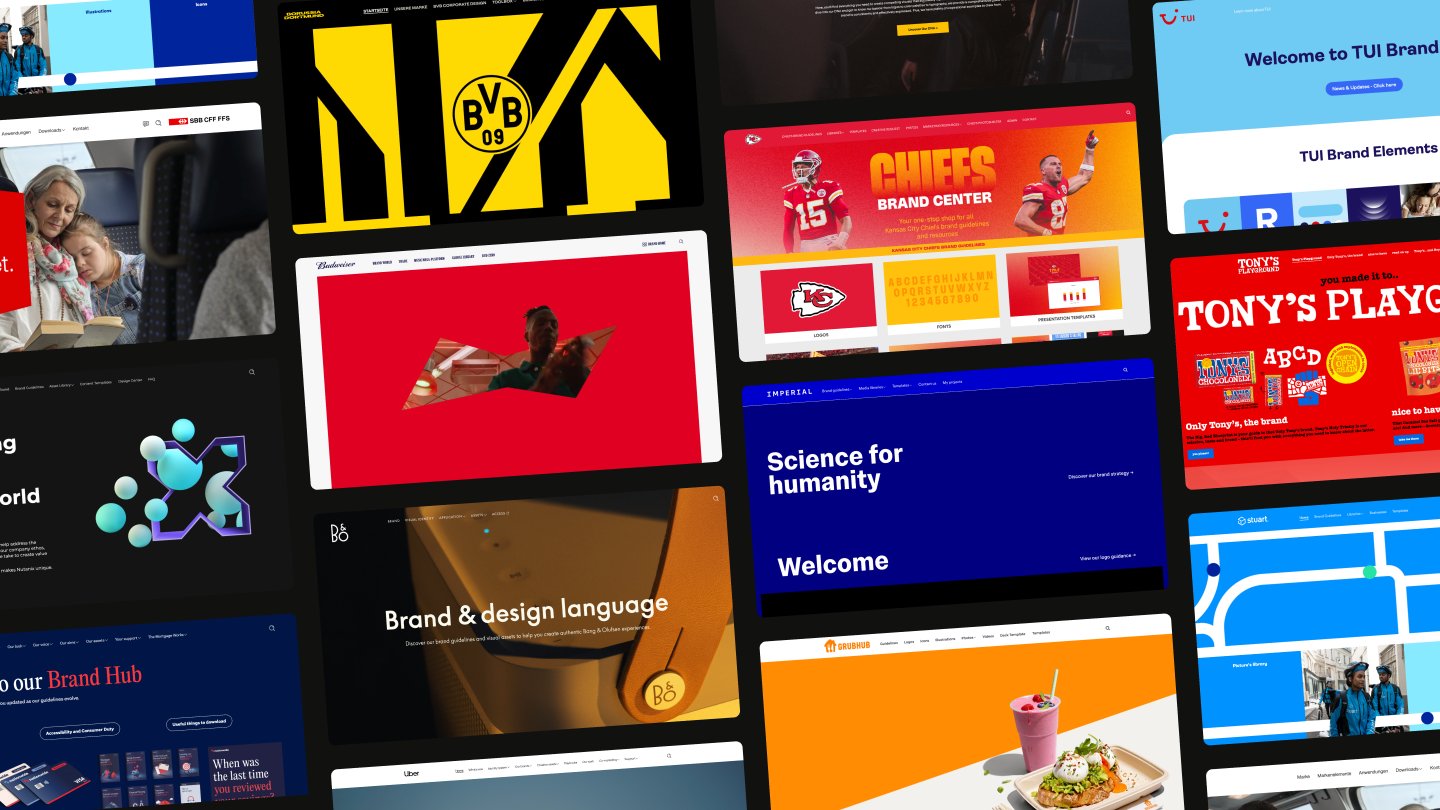
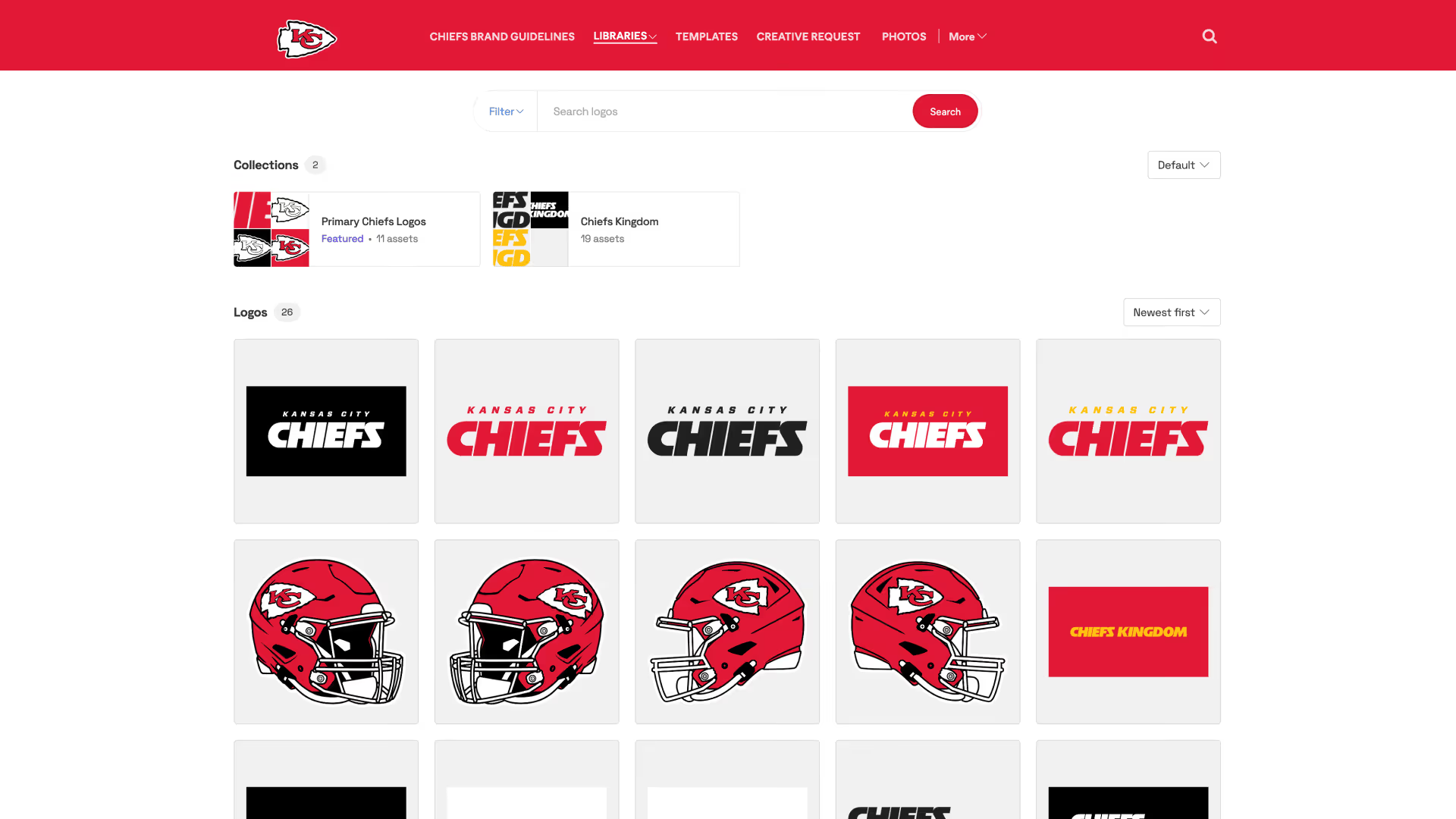
Kansas City Chiefs create experiences that entertain, engage, and connect their millions of fans, partners, and players — on and off the pitch. But it can be challenging to keep everything true to the brand’s core identity as it scales. Frontify’s platform helped the Kansas City Chiefs’ brand and creative teams create a consistent visual identity across numerous touchpoints by providing fast and easy access to brand assets, guidelines, and information.
Leonardo Hotels
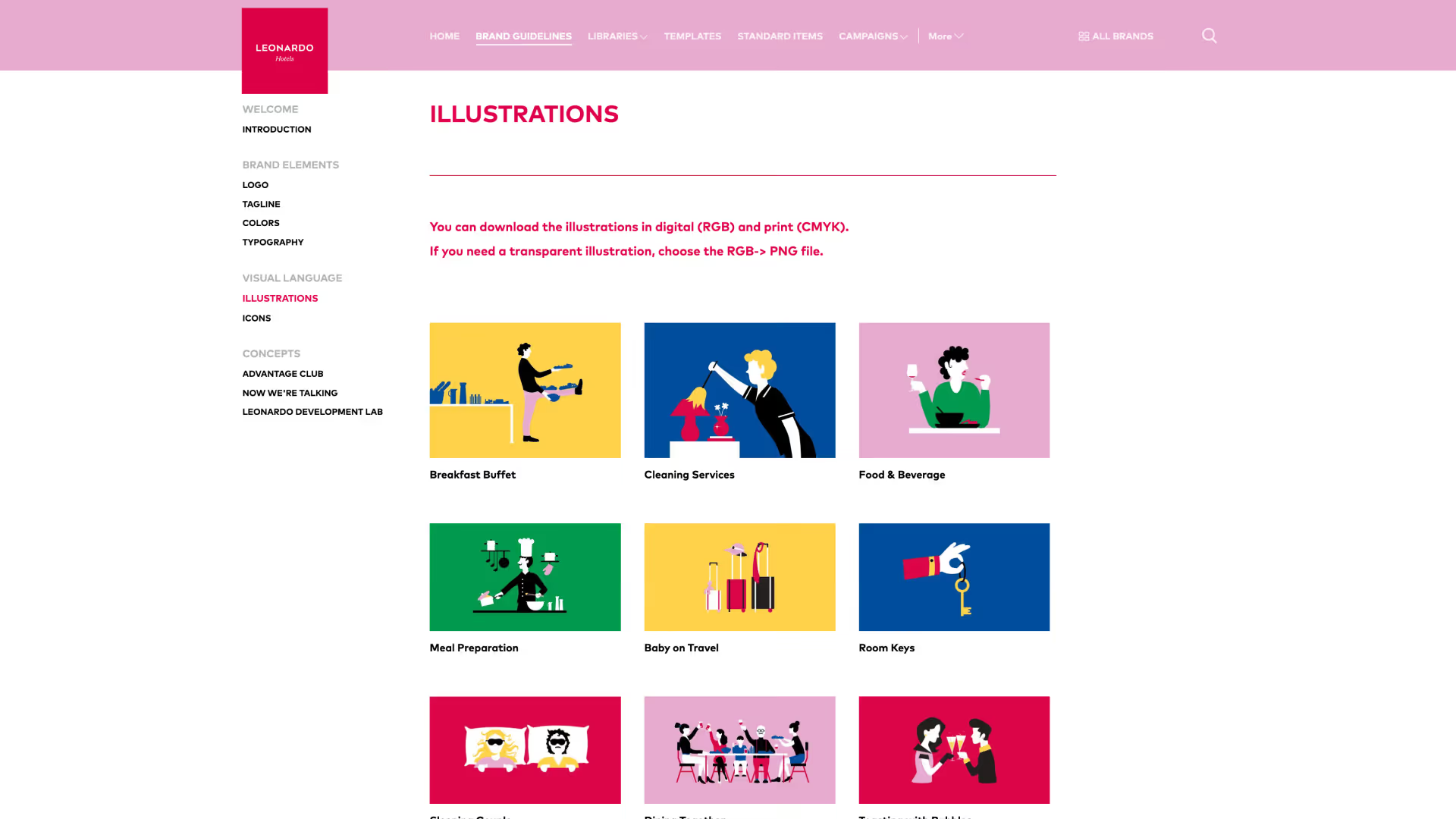
Leonardo Hotels, a hotel chain with several sub-brands, needed a lot of content for its various locations. It used an agency for a lot of this material, and in some cases, teams would create their own content. This led to lots of inconsistencies in its visual branding — the biggest challenge was making sure each piece consistently aligned with their brand guidelines.
With Frontify, Leonardo Hotels was able to build out a fully-fledged system that empowered its employees to adopt and apply its visual identity consistently, and at scale. As well as detailed Brand Guidelines, they use Templates to efficiently scale and cater for its growing content needs across all its brands and locations, maintaining a unified brand image across all its touchpoints.
NIO
Chinese electric vehicle manufacturer NIO has a truly global team, with its HQ in Shanghai, design team based in Munich, and dealerships all around the world. As a fast-growing brand it needed to document its core brand assets to ensure consistency across all markets and touchpoints.

NIO uses Frontify’s Brand Guidelines to capture and document the essence of the brand, providing access across the company and beyond. All its core visual elements and brand assets are centralized in its DAM, and they use Templates to enable on-brand content creation at scale, maintaining a strong, consistent visual identity.
Your visual identity needs enablement, not just design
Recognizable brands, like McDonald’s or Kansas City Chiefs aren’t built by chance. They’re built on systems that enable and empower designers and non-creative team members, so that consistency becomes effortless.
A strong visual identity goes beyond your design choices, into the operational structures of your business. The world’s most recognizable brands succeed because they’ve documented their visual systems and made them accessible to everyone who represents the brand. They document and explain how to use every visual element, and empower anyone, from marketing to HR, to create on-brand content independently, without design bottlenecks.
Frontify’s Brand Guidelines, Templates, and other tools help companies like Kansas City Chiefs manage and maintain their world-famous visual identity. Frontify provides the tools and systems that enable and empower team members to achieve brand consistency at scale.
Learn more about building brand guidelines and documentation systems that help you manage and maintain a consistent visual identity at scale.