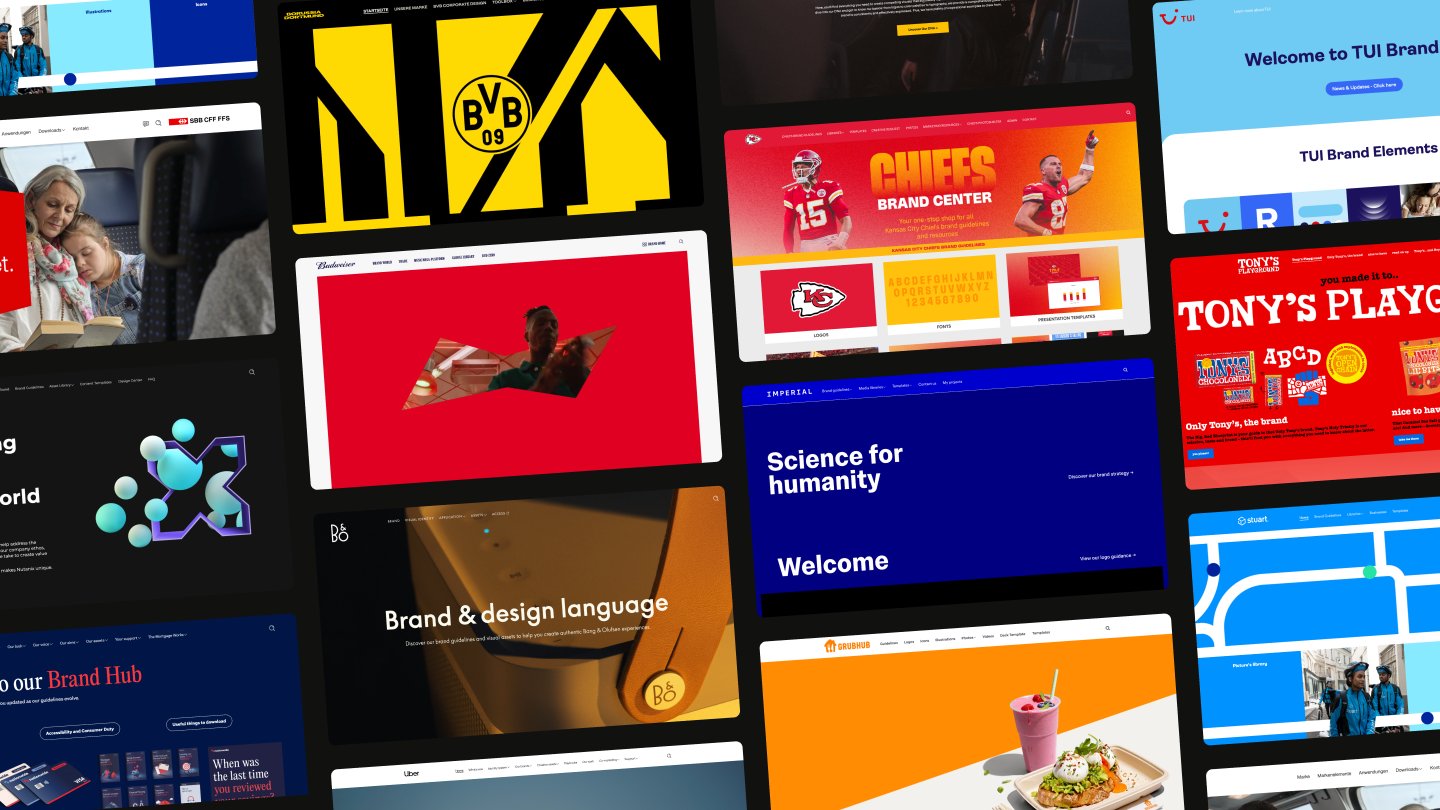

The gateway to your brand
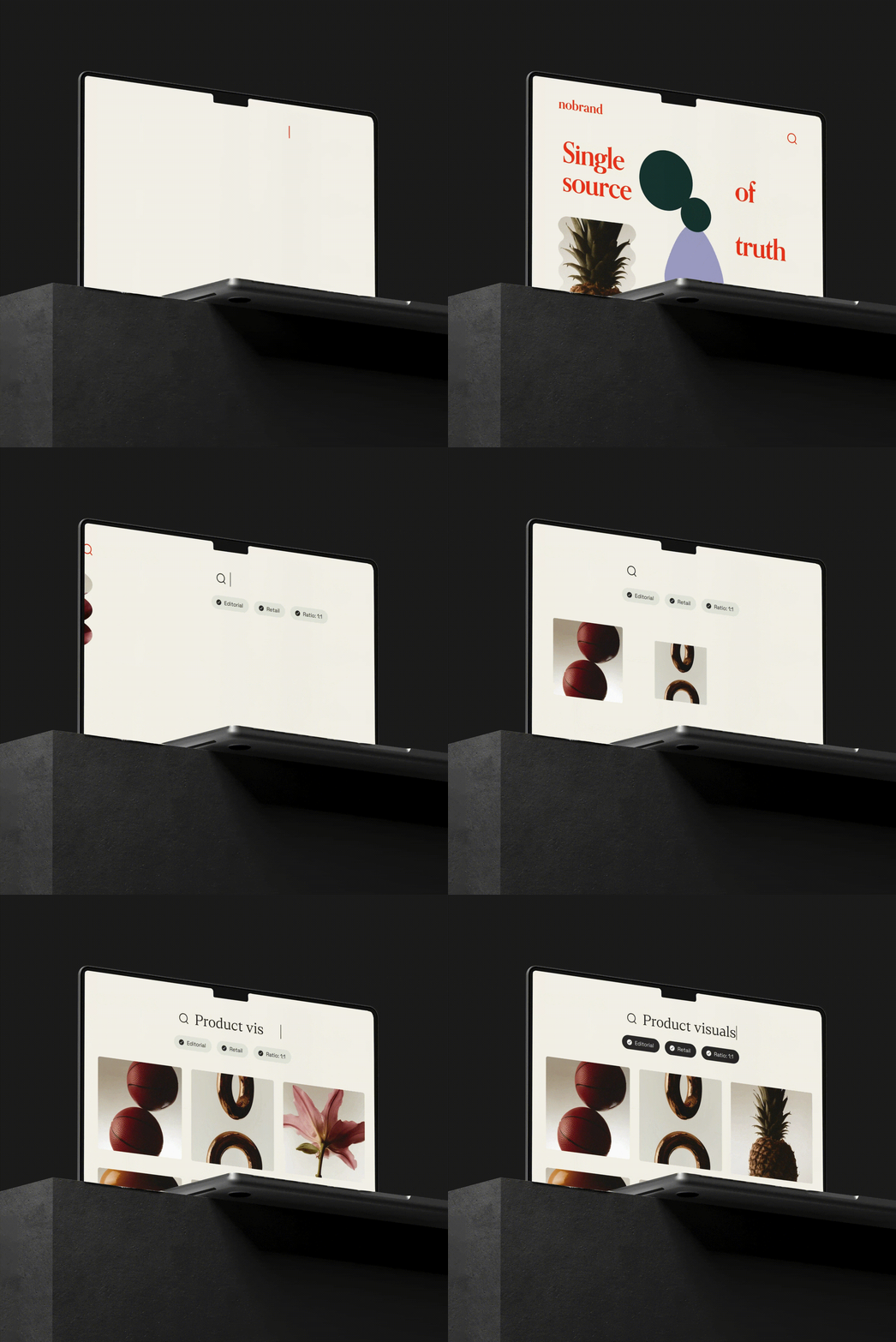
Where guidelines meet assets

structuring pages ...

syncing brand assets …


assets ready to use …
pulling folder structure ...
pulling folder structure ...
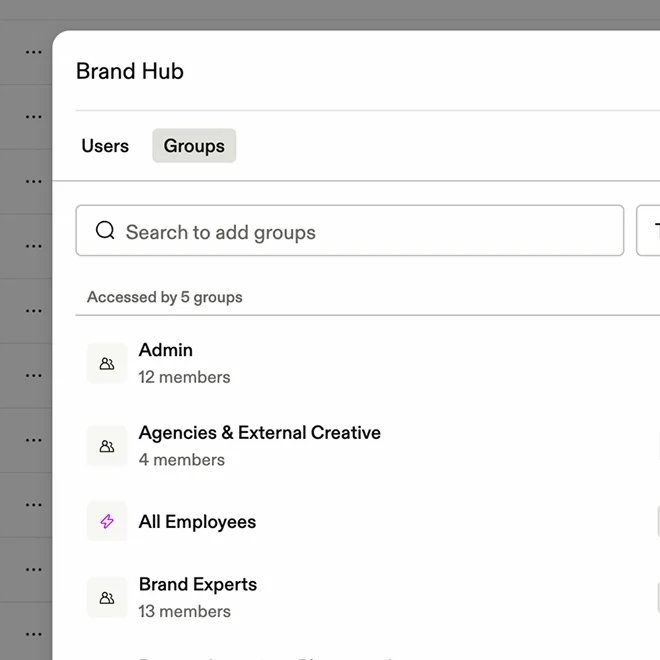
Control who sees what
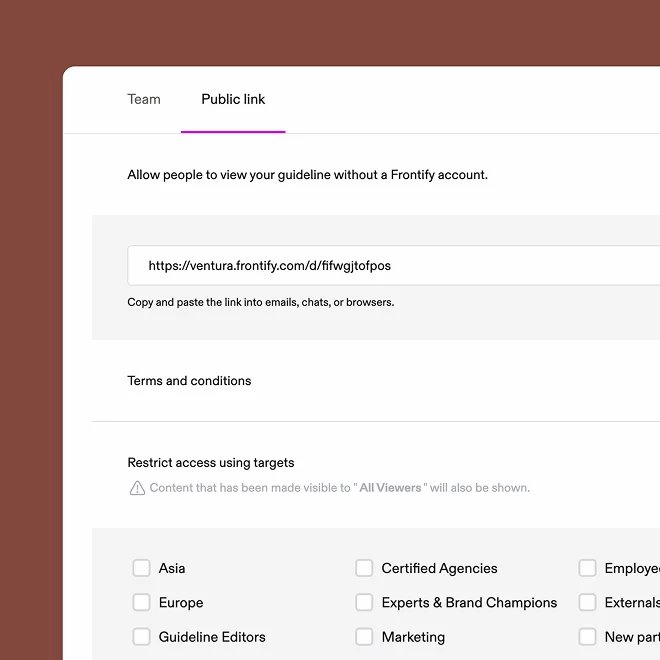
Set permissions by team, role, or individual — down to the asset level. The right people get in. Everything else stays protected.
One system, many brands
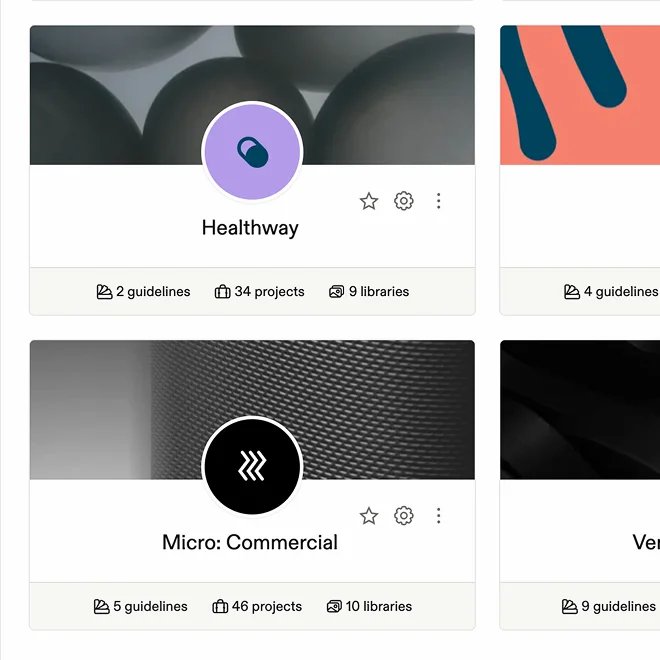
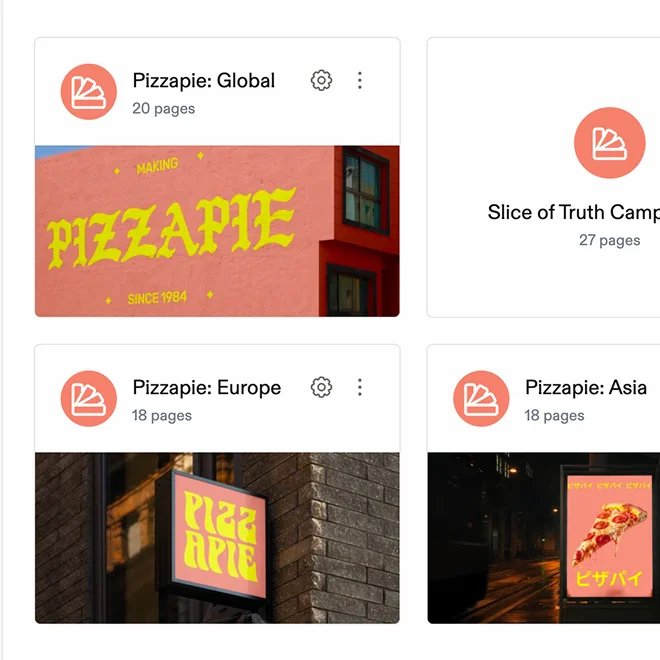
Give each brand, sub-brand and region its own portal while managing access, structure, and governance from one central place.
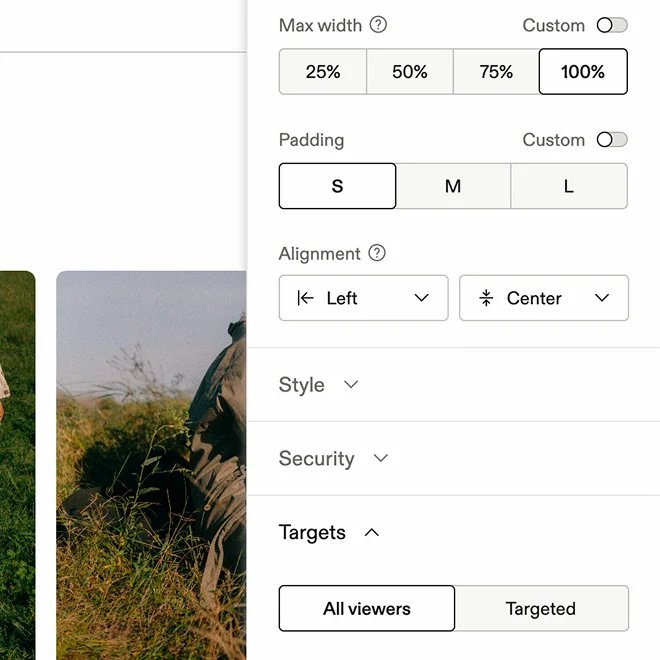
Tailored for every team
Build a portal that gives each team, partner, and market a space that fits how your brand shows up for them.
Central setup, local reach
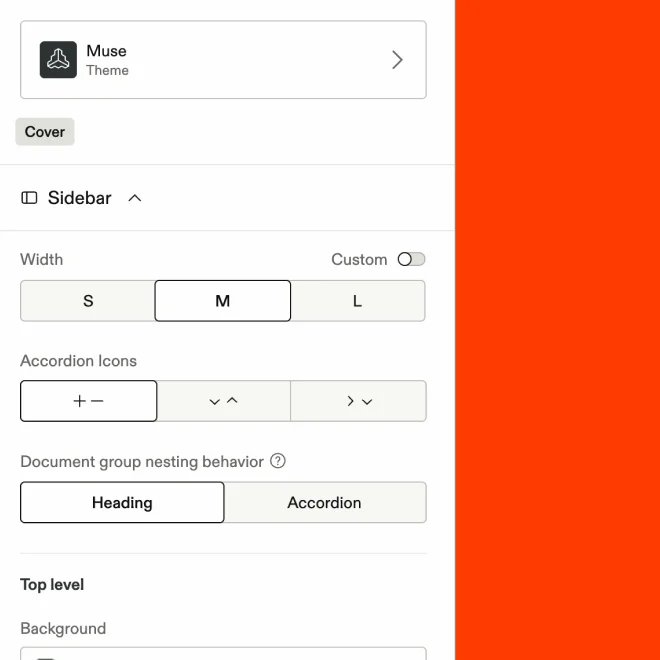
Configure your portal centrally and give every team, partner, and region access to the resources they need.
Your portal to a unified brand
Frequently asked questions
What is a brand portal?
Accordion header
A brand portal is the space where people experience your brand. While brand managers build and manage everything behind the scenes, teams, partners, and markets each access what's relevant to them through their portal, organized and tailored so the right people always find the right content.
What's the difference between a brand portal and a DAM?
Accordion header
A DAM stores and organizes your files. A brand portal is where those files — alongside guidelines and templates — are presented to the people who need them. Think of the DAM as where everything is kept, and the portal as what your teams, partners, and markets actually see and use.
Can you have multiple brand portals for different teams, regions, or brands?
Accordion header
Yes. Most enterprises run multiple portals — one per brand, sub-brand, region, or partner audience — managed centrally. This setup lets global teams maintain governance and consistency while giving local markets, agencies, and franchise partners the resources they need.
Who should have access to a brand portal?
Accordion header
Anyone who creates or distributes content for the brand. That usually includes internal marketing, design, and sales teams, plus external agencies, partners, vendors, and franchisees. Permissions control what each audience sees: An agency might access campaign assets while a sales rep sees pitch templates and the wider business sees only the public-facing guidelines.
Do teams have to leave the portal to use their other tools?
Accordion header
Not necessarily. Frontify connects with creative tools like Adobe Creative Cloud and Figma, and productivity platforms like Microsoft and Google, so teams can access brand resources without constantly switching between tools.
Why do enterprises need a brand portal?
Accordion header
Enterprise brands work across multiple teams, regions, and external partners, which makes consistency hard to maintain. A brand portal gives each of them access to the right guidelines, assets, and templates — tailored to who they are and what they need.