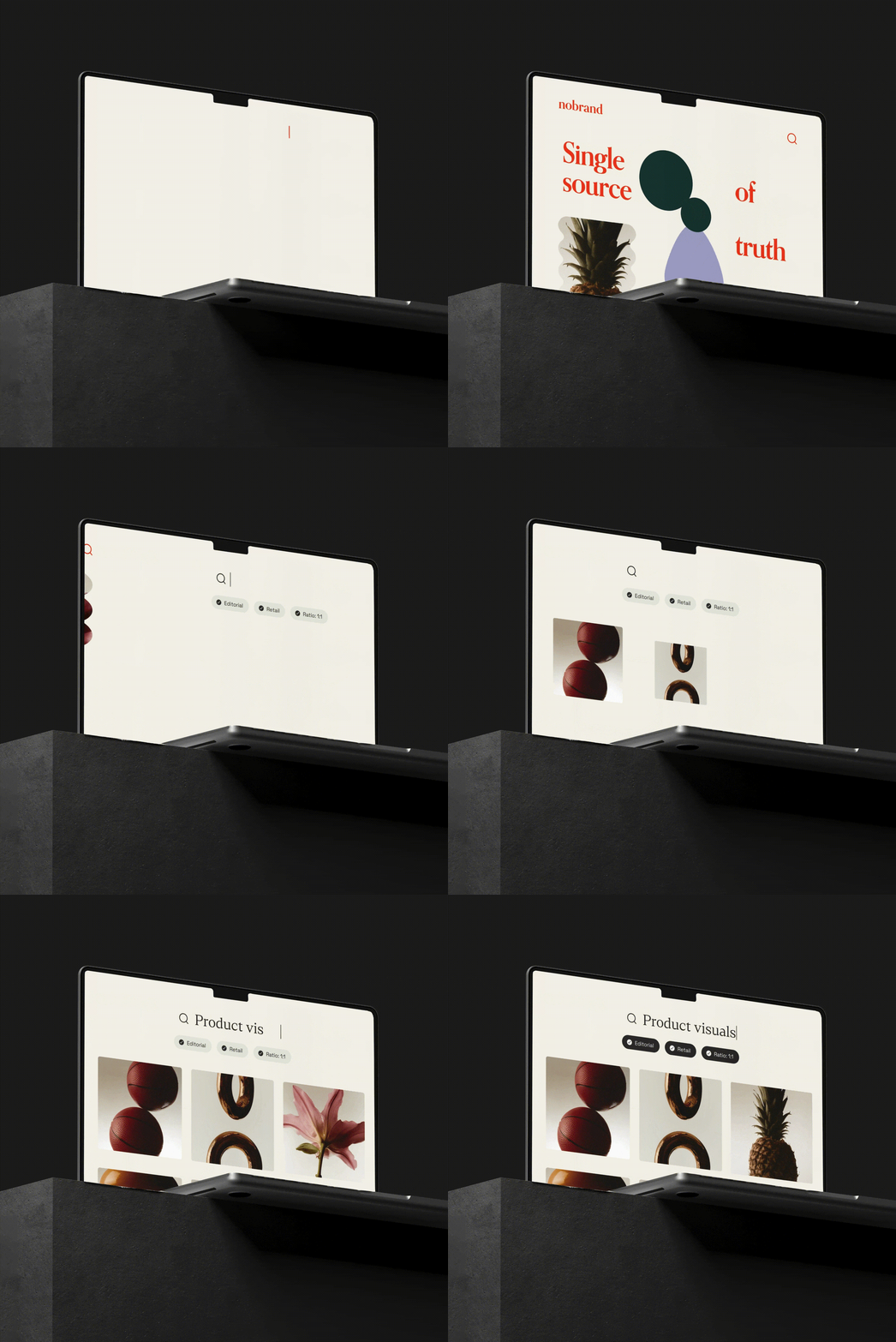
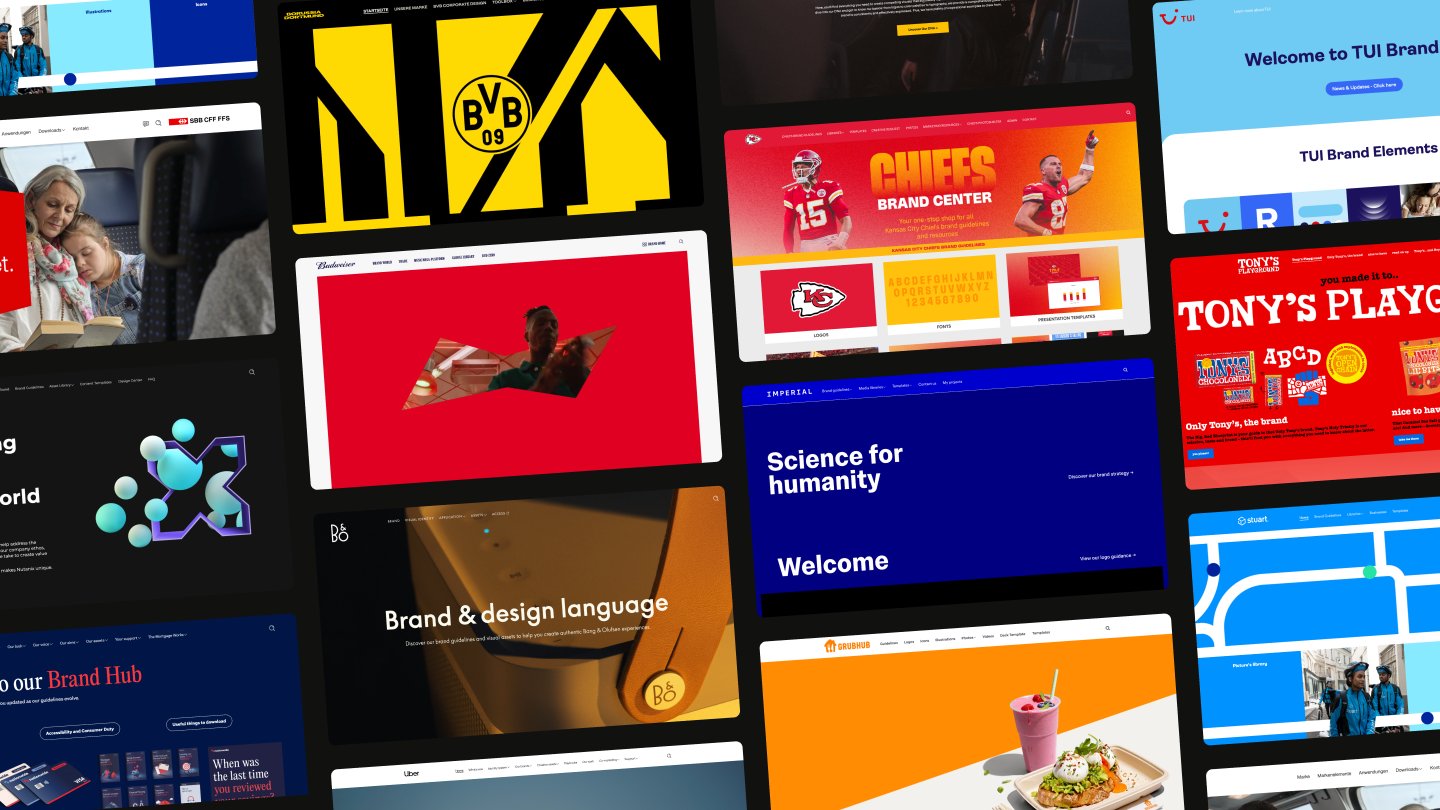
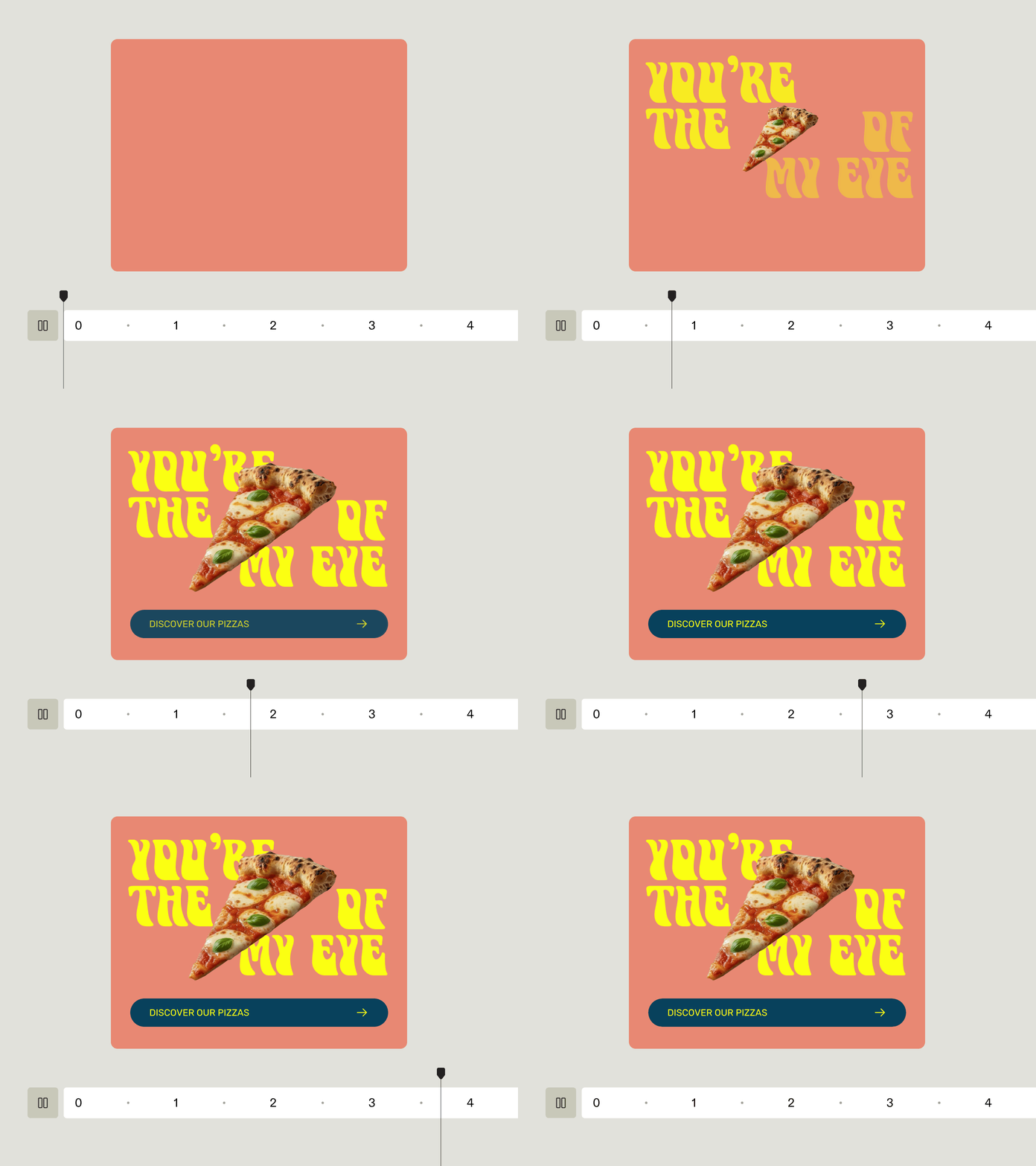
What are motion assets?
Motion assets are short, campaign-ready rich-media content:
- Multi-size HTML5 display banners for paid media
- Social ads and posts (e.g., for Instagram, TikTok, and LinkedIn) as GIF or MP4
- Animated employer branding or hiring posts
Anything that slows your scroll on social media or catches your eye in the wild, like digital ads at a conference or bus stop.
How do motion assets move the needle for engagement?
In the age of algorithm visibility and shrinking attention spans, motion assets deliver the scroll-stopping engagement your brand needs.
The average consumer is exposed to 6,000 commercial messages a day but only actively recalls about 100. When brands have to fight this hard to stand out, moving assets are a proven way to do it.
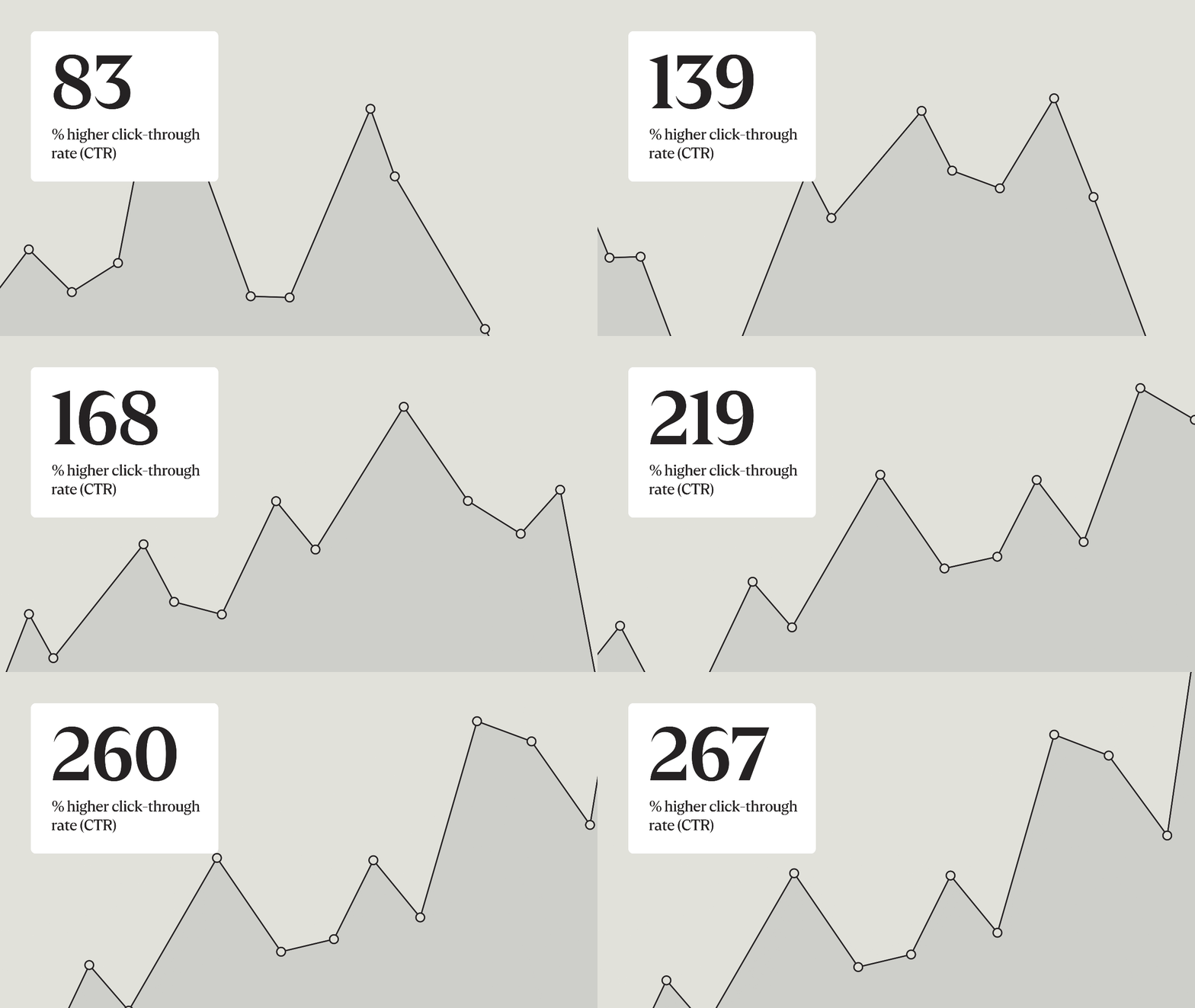
The numbers back this up. A study by AdForm revealed a stark performance gap between rich media and static ads:
- Rich media ads achieved a 267% higher click-through rate (CTR) compared with static banners
- Static ads achieve an average CTR of 0.12% compared to 0.44% for rich media
This means that for every 1,000 impressions, a static ad generates 1.2 clicks, whereas motion assets generate 4.4 clicks — an extra 3.2 clicks per 1,000 impressions.
So, the creative and business case for motion assets is watertight. But scaling them comes with real constraints and challenges.
What are the main challenges in motion asset creation?
Motion assets are highly effective, but they can also be a source of friction, cost, and brand risk. This makes them hard to scale reliably across your business.
1. Dependency on experts
Creating motion content typically requires specialist design tools like Figma or Adobe After Effects. So while moving ads and animations are quick to capture attention, they can be slow to create. Producing or editing motion assets often requires specialist expertise.
2. In-house inaccessibility
While skilled designers produce motion assets efficiently and effectively, not everyone creating campaigns is a designer. Brand systems empower a wide range of colleagues — like social teams and regional marketers — to produce collateral using static templates. But not all teams have the advanced technical skills to create motion assets in external tools.
3. Brand compliance bypasses
With static assets, templates, approval flows, and brand locks, teams have created a reliable, scalable system. But, until recently, there hasn’t been a motion template option available. Motion assets can bypass your standard governance processes, and this means every GIF, HTML5 banner, or animated social banner is a potential escape hatch from your brand system. As a result, consistency and equity are at risk.
Between these three common challenges, at-scale, on-brand motion asset creation is out of reach for most businesses. However, it isn’t an insurmountable obstacle. It’s simply a question of workflows and resources.
How do these challenges impact campaigns?
In practice, these challenges slow or limit campaign execution, as teams need to:
- Commission an agency or freelancer to produce the assets
- Wait for in-house expertise to become available
- Turn to a workaround tool that wasn't built for the job
All of these options require time, budget, or specialist skills — resources that most marketing teams are already stretched on. As a result, many teams reluctantly choose to omit motion assets from the campaign plan altogether, which reduces impact and engagement.
Just like the classic “fast, cheap, or good — pick two” rule of product design, motion design typically comes with trade-offs. Motion assets can be high-quality, effective, timely, and on-brand. But achieving all four can be difficult. And with DIY processes, there’s no way to know until the content is out there… potentially grabbing attention for all the wrong reasons.
How can brands empower anyone to create on-brand motion assets?
Motion assets are too valuable to be a point of friction in your marketing workflows.
Frontify's motion templates address the two biggest obstacles — resourcing and governance — not by restricting what teams create, but by making the on-brand path the easiest path.
- Teams create and export assets entirely within Frontify — no extra tools or expert support required.
- Every file moves through a single workflow, with compliance guardrails built in
- Export directly in the format your campaign needs — GIF, MP4, or HTML5
This means faster launches, lower cost, and consistently on-brand assets — at scale.
How do motion templates work in Frontify?
With motion templates in Frontify, anyone can create campaign-ready, on-brand motion assets in minutes — with consistency intact, creative quality preserved, and workflow uninterrupted. The identity doesn't escape, the creative quality doesn't suffer, and the workflow flows instead of slows.
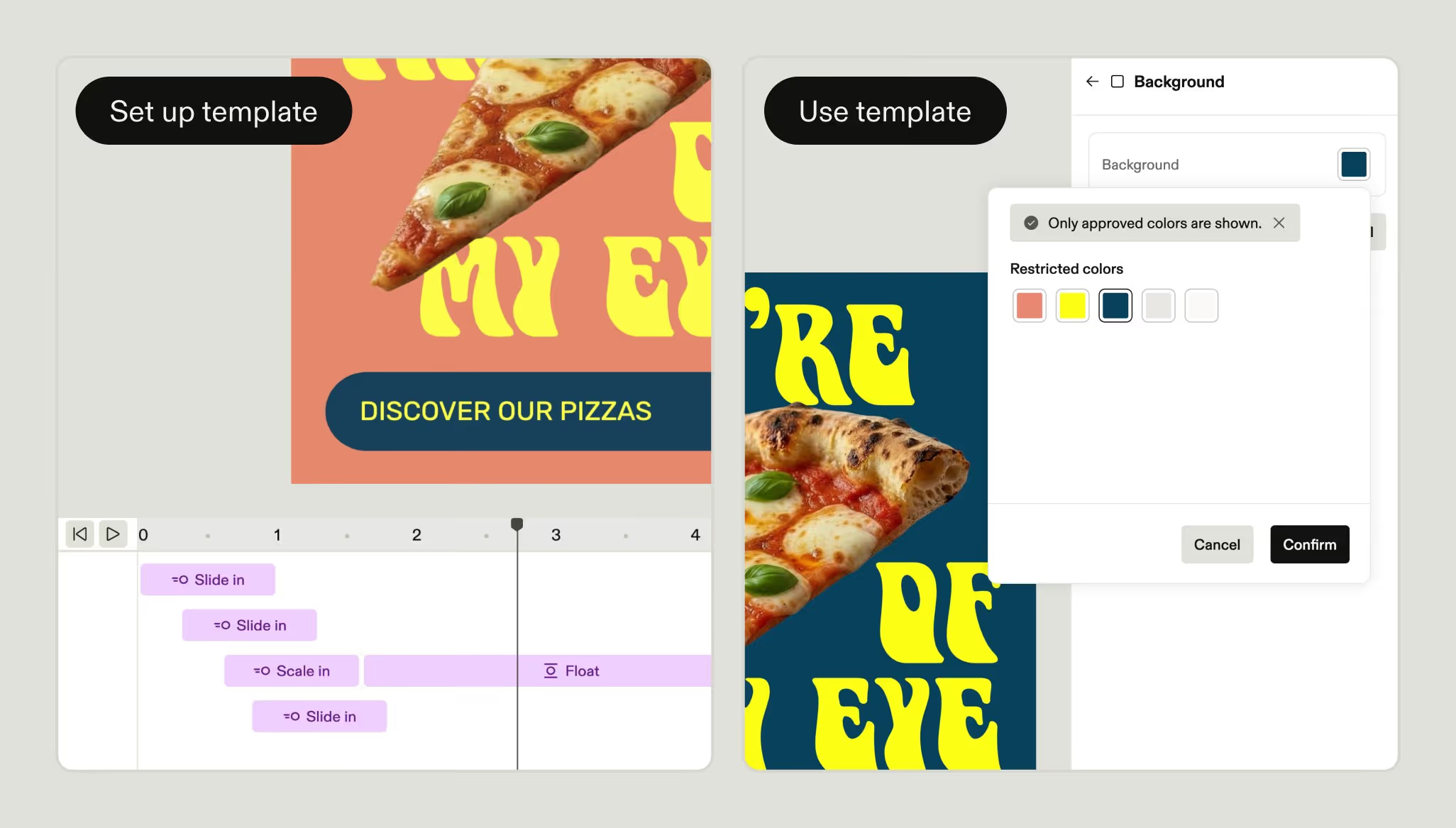
Frontify motion templates in action
Imagine a global marketing team preparing a multi-channel campaign. They produce recurring digital ads, animated social posts, and HTML5 banners, all from a master set of static and motion templates.
Or a performance campaign requiring rapid iteration: Marketers generate on-demand animated assets without waiting for designers while ensuring that initiatives hit timelines and KPIs.
Move the needle with Frontify motion templates
High-quality motion content at scale and brand governance shouldn't be in tension. With motion templates, they're not.
Marketing and performance teams create on-brand, animated ads — like HTML5 display banners and social GIFs — directly inside Frontify. No agencies, no motion design skills, and no extra tools required.
Ready to create scroll-stopping motion assets in minutes? Discover Frontify motion templates today.