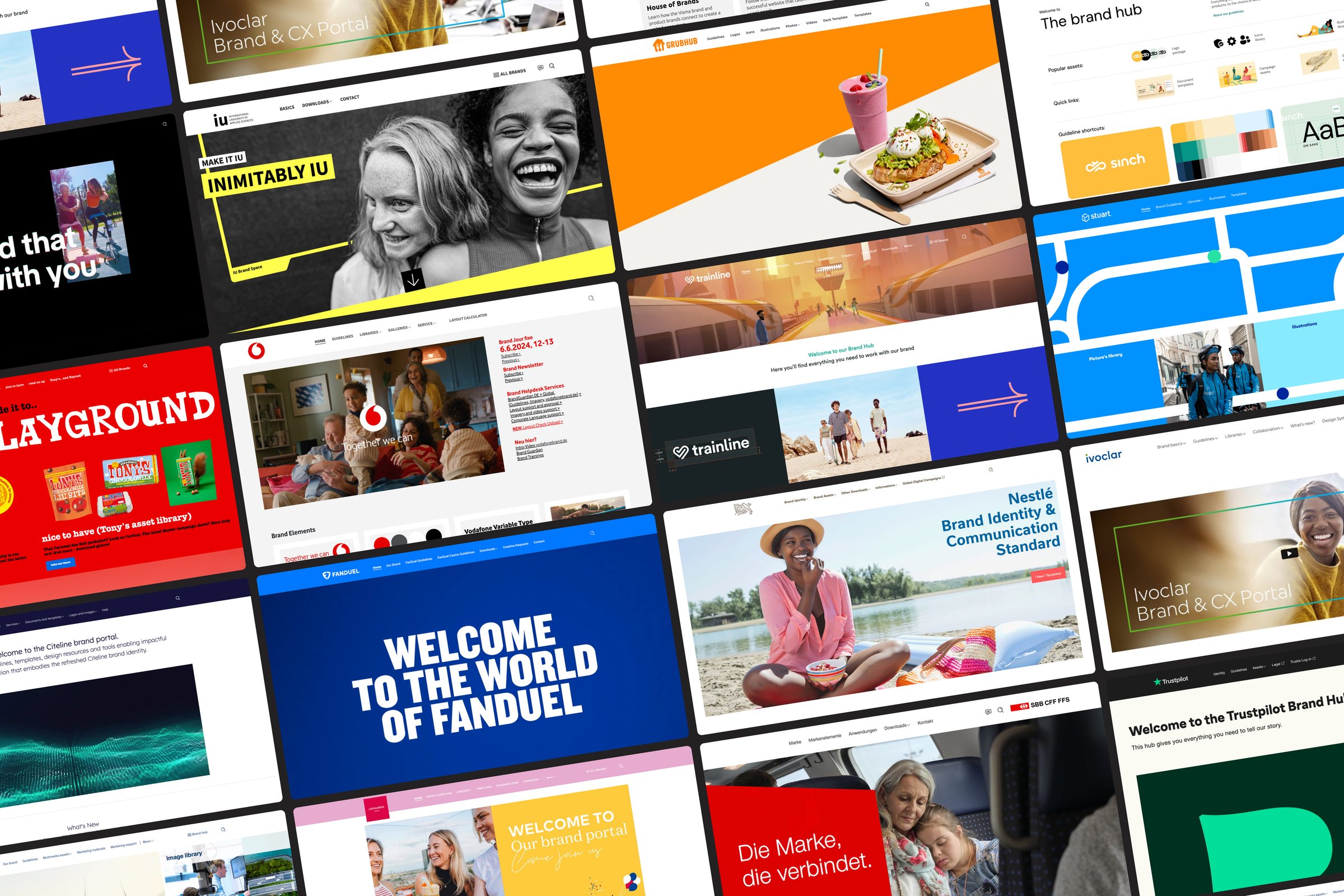

Brand guidelines define how your brand looks, sounds, and behaves across every channel, team, and market. They turn your brand identity into a practical system people can use when they create content, launch campaigns, brief agencies, build presentations, or represent your company in public.
The best brand guidelines do more than list logo rules and color codes. They help people make better brand decisions without waiting for the brand team to review every asset, post, deck, or campaign.
Today, that means your guidelines need to work for both people and AI tools. They should be clear, searchable, up to date, connected to approved assets, and structured so teams can retrieve the right brand context wherever content gets created.
This guide explains what brand guidelines are, what they should include, how to create them, and how to turn them into a living brand system your organization will actually use.
What are brand guidelines?
Brand guidelines are a documented set of standards that explain how a brand should be represented. They cover the visual, verbal, and strategic rules that help teams create consistent brand experiences across campaigns, channels, regions, and formats.
At their simplest, brand guidelines answer three questions:
- What do we look like?
- How do we speak?
- What do we stand for?
Without clear answers, different teams will make different choices. A designer might use the wrong logo. A salesperson might use an outdated deck. A regional marketer might adapt campaign copy in a way that weakens the message. An AI tool might generate content that sounds polished, but not like your brand.
Good brand guidelines prevent that drift. They give everyone a shared source of truth for creating work that is recognizable, consistent, and appropriate for the context.
The goal is not to make every piece of content identical. It is to give teams enough structure to adapt the brand confidently without losing what makes it distinct.
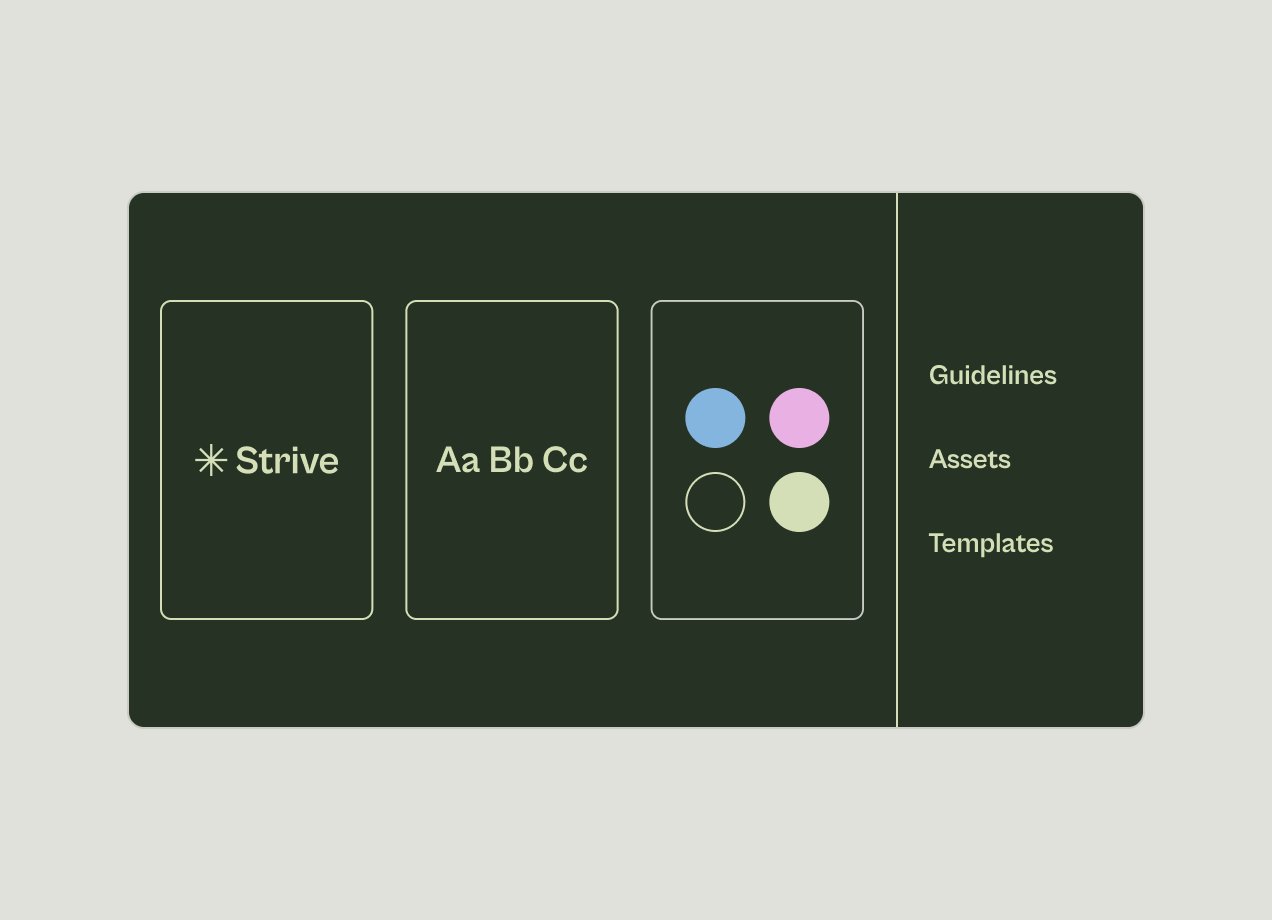
Brand guidelines vs. style guide vs. brand manual vs. design system
These terms are often used interchangeably, but they do not always mean the same thing. Understanding the difference helps you choose the right format and scope.
| Term | What it covers | Best used for |
|---|---|---|
| Brand guidelines | Visual identity, voice, tone, values, positioning, usage rules, templates, governance, and channel standards. | Giving every team a complete source of truth for the brand. |
| Style guide | Writing rules, grammar, punctuation, terminology, tone, and editorial conventions. | Helping writers, marketers, and communicators use language consistently. |
| Brand manual or brand book | An older term for a comprehensive brand document, often static or PDF-based. | Formal brand documentation, especially for traditional organizations. |
| Design system | UI components, design tokens, accessibility standards, interaction patterns, and code-ready rules. | Helping product and engineering teams build digital experiences consistently. |
Most organizations should start with brand guidelines. If your brand operates across digital products, apps, or complex web experiences, those guidelines can then inform a design system.
Why brand guidelines matter
Brand consistency is not just a design preference. It is an operational and commercial advantage.
When teams use the same rules, assets, and messaging, customers encounter a more recognizable brand. That recognition builds familiarity. Familiarity builds trust. And trust makes every marketing, sales, and customer experience more effective.
Brand guidelines also reduce unnecessary work. Teams spend less time recreating assets, debating subjective choices, hunting for the latest logo, or asking the brand team to approve routine content. The right standards make the right action easier.
The benefits usually show up in five areas:
| Benefit | What it improves |
|---|---|
| Recognition | Customers see consistent visuals, language, and messaging across channels. |
| Efficiency | Teams reuse approved assets, templates, and rules instead of starting from scratch. |
| Quality | Fewer off-brand materials reach customers, partners, or employees. |
| Governance | Brand owners can define who can create, approve, adapt, and publish content. |
| Scale | Regional teams, agencies, and AI tools can create more content without increasing brand risk. |
As content creation spreads across more teams and tools, guidelines become the operating system for the brand. They help organizations move faster without letting consistency depend on memory, guesswork, or last-minute review.
What should brand guidelines include?
Most brand guidelines cover the basics: logo, color, and typography. Useful guidelines go further. They explain the decisions behind the brand, show real examples, define how rules change by channel, and make it clear who owns updates and approvals.
Use this checklist as the foundation.
| Component | What to include | Why it matters |
|---|---|---|
| Brand core | Mission, vision, values, positioning, audience, personality, and promise. | Gives every rule strategic context. |
| Logo guidelines | Approved variations, clear space, minimum size, color versions, lockups, and misuse examples. | Prevents the most visible forms of inconsistency. |
| Color guidelines | Primary, secondary, neutral, and accent colors, plus HEX, RGB, CMYK, Pantone, and accessibility rules. | Keeps your brand recognizable across digital and physical formats. |
| Typography | Fonts, hierarchy, weights, sizes, line height, fallback fonts, and licensing. | Makes content feel consistent and professional. |
| Imagery and iconography | Photography style, illustration rules, icon systems, image sourcing, and do/don't examples. | Shapes the emotional feel of the brand. |
| Voice and tone | Brand personality, writing principles, vocabulary, tone by channel, and before-and-after examples. | Helps teams communicate consistently. |
| Social media standards | Platform formats, templates, caption style, hashtags, community response rules, and approval paths. | Gives fast-moving social teams useful guardrails. |
| Templates and applications | Decks, emails, social posts, event materials, proposals, reports, and campaign examples. | Turns guidelines into usable tools. |
| Governance | Owners, approvers, permissions, exceptions, onboarding, agency access, and compliance checks. | Keeps guidelines current and adopted. |
| AI and retrieval rules | Approved sources, prompt guidance, usage limits, human review rules, tool access, and brand context. | Helps AI tools create content from the right brand knowledge. |
1. Brand core
Start with the strategic foundation. Before anyone uses a logo or writes a headline, they need to understand what the brand stands for.
This section should include your mission, vision, values, audience, positioning, personality, and core promise. It should also explain what the brand is not. Clear boundaries are often more useful than broad statements.
Weak guidance says: "We are innovative and customer-focused."
Stronger guidance says: "We make complex work feel clear. We avoid hype, inflated claims, and language that sounds clever at the expense of usefulness."
The more specific the brand core is, the easier it becomes for teams to make decisions without asking for approval every time.
2. Logo guidelines
Logo rules prevent the fastest and most visible forms of brand inconsistency.
Include every approved logo version: primary, secondary, icon-only, monochrome, reversed, and any approved lockups with product names, partner names, or campaign marks. Define minimum sizes, clear space, background usage, file formats, and what never to do.
Show examples. A side-by-side "do" and "don't" is more useful than a paragraph of restrictions. People remember what correct usage looks like.
3. Color guidelines
Color is one of the strongest recognition cues your brand has, but it is easy to reproduce incorrectly.
Your color section should include primary, secondary, neutral, and accent palettes, with the right values for each use case: HEX and RGB for digital, CMYK and Pantone for print and physical production.
Also include usage rules. Define which colors can be used for backgrounds, calls to action, text, data visualization, campaign accents, and accessibility-safe combinations.
Do not rely on color codes alone. Explain how each color should feel and when it should be used.
4. Typography
Typography affects how your brand feels before anyone reads the words.
Document your primary and secondary typefaces, approved weights, sizes, hierarchy, line height, letter spacing, and fallback fonts. Include rules for headings, body copy, captions, quotes, product UI, presentations, and long-form content.
If a typeface requires a license, say where it can be used and who is allowed to access it. This prevents teams from substituting fonts when they cannot find or install the correct one.
5. Imagery and iconography
Imagery rules help teams choose visuals that feel like your brand, not generic stock.
Define photography style, lighting, composition, subject matter, editing treatment, illustration style, icon usage, and visual examples to avoid. If different campaigns, regions, or product lines have different image rules, explain those differences clearly.
Approved and disapproved examples are essential here. Abstract words like "authentic," "premium," or "human" mean different things to different people. Examples turn taste into something teachable.
6. Voice and tone
Voice is who your brand is. Tone is how that voice adapts to context.
A useful voice and tone section should include brand personality traits, writing principles, vocabulary rules, channel-specific guidance, and real examples of on-brand and off-brand copy.
Avoid vague instructions such as "be friendly" or "sound professional." Show what those ideas mean in practice.
7. Social media brand guidelines
Social media is often where brand consistency breaks down fastest. It moves quickly, involves many contributors, and requires constant adaptation by format and platform.
Your social guidelines should cover profile standards, caption style, image and video dimensions, platform-specific templates, hashtag rules, community management tone, user-generated content, influencer usage, and approval workflows.
The goal is not to slow social teams down. It is to give them enough structure to move quickly without making every post a judgment call.
8. Templates and applications
Templates turn rules into action. They help non-designers produce on-brand work without starting from a blank page.
Include or link to approved templates for presentations, reports, campaign briefs, email signatures, newsletters, social posts, event signage, sales materials, proposals, and internal communications.
Guidelines tell people what good looks like. Templates help them create it.
9. Governance
Guidelines only work if people know where they live, who owns them, and how updates happen.
Your governance section should define brand ownership, approval rights, access levels, agency rules, exception handling, review cycles, and compliance measurement. It should also explain how new employees and partners are introduced to the brand.
Governance is what keeps guidelines from becoming a beautiful document nobody uses.
10. AI and retrieval rules
As AI becomes part of everyday content creation, brand guidelines should explain how AI tools can and cannot use your brand.
This section should define which source material is approved, which tools teams can use, what types of content AI can help create, and when human review is required. It should also include prompt guidance, tone rules, legal guardrails, asset permissions, and examples of acceptable and unacceptable AI-generated output.
The goal is not to stop teams using AI. It is to make sure AI has access to the right brand context before it creates anything in your name.
How to create brand guidelines
Creating useful brand guidelines is not just a design exercise. It is a brand, content, operations, and governance project.
Before you begin, confirm five things:
- Who owns the brand guidelines
- Which teams and partners will use them
- Which channels and content types they need to cover
- Which assets, templates, and rules already exist
- How the guidelines will be maintained after launch
Step 1: Align on the brand core
Do not start with the logo. Start with the brand strategy.
Agree on your audience, positioning, values, personality, and core message before documenting visual or verbal rules. If stakeholders do not agree on what the brand stands for, the guidelines will become a collection of surface-level preferences.
The brand core gives every later decision a reason.
Step 2: Audit what already exists
Collect the real materials people are using today: logos, decks, campaign assets, landing pages, ads, email templates, social posts, product screenshots, event materials, and agency files.
Look for drift. Which colors are being used incorrectly? Which messages are outdated? Which templates are duplicated? Which teams are creating work without the right assets?
The gaps between your intended brand and your live brand show you where the guidelines need to be most specific.
Step 3: Define the rules
For each brand element, document the rule before polishing the presentation.
The best rules are specific, contextual, and easy to apply. Instead of saying "use the primary color for emphasis," explain where it should be used, where it should not be used, and show examples.
A useful guideline should answer:
- What is approved?
- When should it be used?
- What should be avoided?
- Who can approve exceptions?
- Where can someone find the right asset or template?
Step 4: Add examples and templates
Guidelines become easier to follow when people can see the rule in action.
Use real examples wherever possible: correct logo placement, approved campaign imagery, before-and-after copy, social post formats, presentation slides, and email layouts.
Templates are especially important for non-designers. A good template reduces the number of choices someone has to make, which reduces the chance of off-brand work.
Step 5: Choose the right format
How you publish guidelines affects how often people use them.
A PDF can work for a small team or a one-time handoff, but it becomes difficult to maintain as your brand grows. Once guidelines need to serve multiple teams, markets, agencies, or AI tools, a digital platform is usually more effective.
Digital guidelines can be updated in one place, linked to approved assets, protected with permissions, and connected to templates, workflows, and analytics.
Step 6: Launch, train, and iterate
Publishing guidelines is not the same as driving adoption.
Run walkthroughs for key teams. Explain what changed. Show where assets and templates live. Make it clear who to contact with questions. Give agencies and partners the right level of access from the start.
Then keep improving the guidelines. Review questions, search behavior, common mistakes, and recurring exceptions. If people keep asking the same thing, the guidelines probably need to explain it better.
Static, digital, and AI-ready brand guidelines
Brand guidelines have evolved in three major stages.
| Generation | Format | Strength | Limitation |
|---|---|---|---|
| Static guidelines | PDF, slide deck, or printed brand book. | Easy to create and share. | Quickly outdated, hard to search, and disconnected from assets. |
| Digital guidelines | Online brand hub or guidelines platform. | Easier to update, access, and connect to assets. | Still needs structure and governance to support AI workflows. |
| AI-ready guidelines | Machine-readable brand context connected to guidelines, assets, templates, and rules. | Can support people and AI tools at the point of creation. | Requires a governed source of truth. |
Static PDF guidelines
PDF guidelines are familiar and easy to distribute. They can be useful for a brand launch, agency handoff, or small organization with limited needs.
But PDFs age quickly. Once a logo changes, a campaign message evolves, or a new template launches, old files keep circulating. Teams may download different versions, save them locally, or work from documents that are no longer approved.
PDFs also make it difficult to connect guidelines to assets, permissions, templates, analytics, or AI tools.
Digital brand guidelines
Digital guidelines solve many of those problems. They give teams one place to find the latest brand standards, download approved assets, use templates, and understand how rules apply by channel or market.
They are especially useful for growing organizations with multiple teams, agencies, regions, or sub-brands. Updates happen in one place, and access can be managed based on what different users need to see or do.
For most modern brands, digital guidelines are the practical standard.
AI-ready brand guidelines
AI changes the role of brand guidelines again.
Teams are now using AI tools to write, design, summarize, localize, adapt, and review content. Those tools need access to the same brand knowledge as everyone else: current guidelines, approved assets, messaging rules, templates, usage restrictions, and examples.
That means guidelines need to become retrievable. They should be structured clearly enough for AI systems to find the right rule, understand the context, and apply it in the right channel.
This is where the idea of a brand context layer becomes important.
How AI changes brand guidelines
AI adds a new audience for your brand guidelines: the tools your teams use to create, adapt, and review content.
That does not mean every brand needs a technical AI documentation project. It means your guidelines should be clear and structured enough for AI tools to retrieve the right brand context: voice and tone rules, messaging priorities, visual standards, approved assets, usage permissions, market rules, and examples of what good looks like.
This is where brand guidelines start to become part of a broader brand context layer. Instead of asking teams to paste brand rules into every prompt, a connected brand platform can make approved guidelines, assets, templates, metadata, and governance rules available from one source of truth.
For lightweight use cases, formats like `brand.md` point to where the market is heading: brand knowledge that is easier for AI tools to read. For larger organizations, the bigger opportunity is live, governed brand intelligence that stays current as the brand changes.
How MCP connects guidelines to AI tools
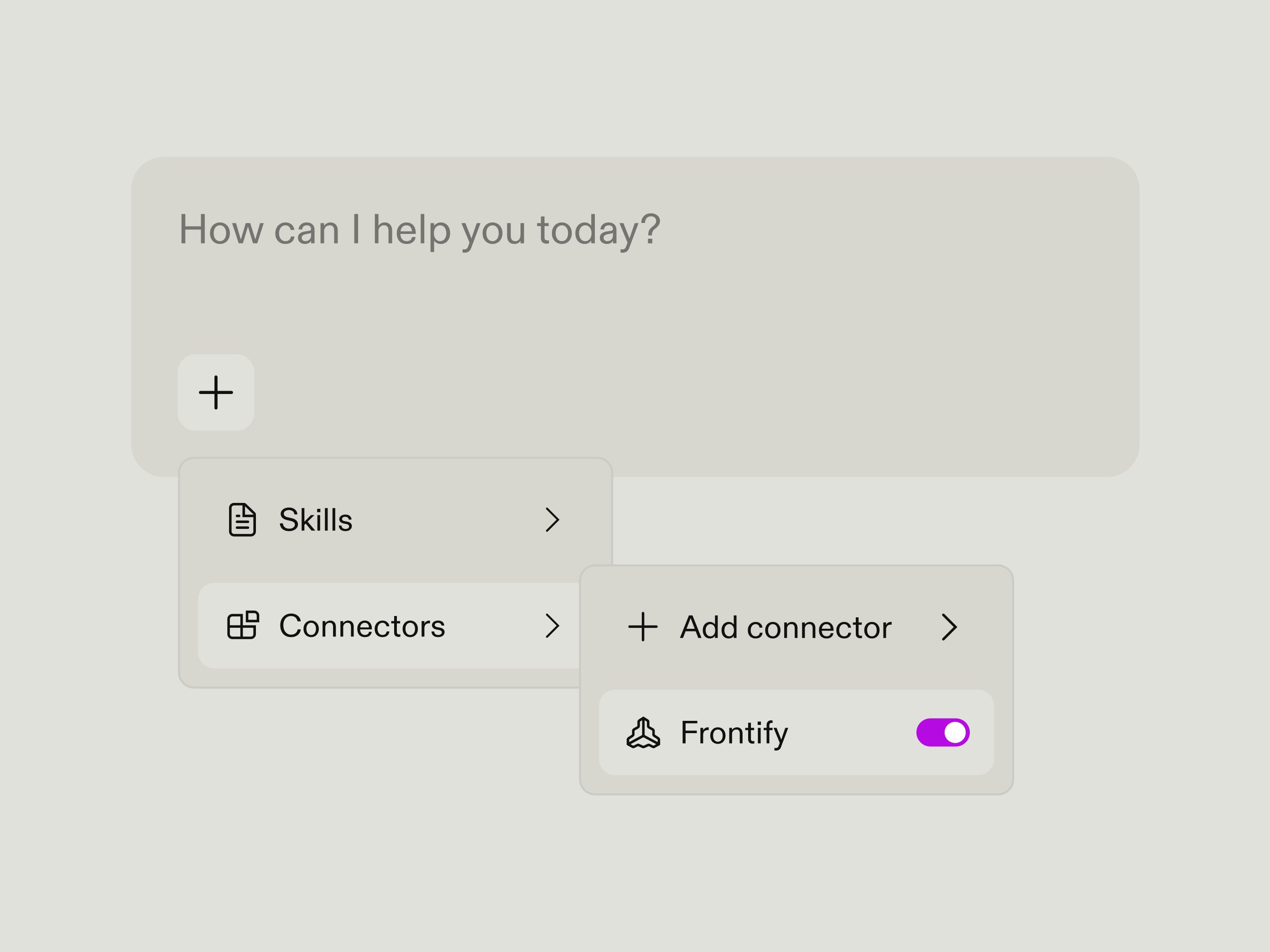
Retrieval is what turns guidelines into brand context, and the Model Context Protocol (MCP) is becoming the standard way to do it. MCP gives an AI assistant a governed way to request information from a system, rather than relying on whatever someone pasted into the prompt.
The Frontify MCP server connects tools like Claude and ChatGPT to your live guidelines, approved assets, and templates. A writer can ask for your tone of voice rules and get the current version. A designer can pull the approved logo without leaving the tool they are working in. Access follows the permissions you already set, so the rules an AI applies are the same ones your teams see.
The goal is simple: AI-generated work should draw from the same approved brand system as everyone else, rather than from outdated PDFs, copied prompts, or guesswork.
Brand governance: how to get guidelines used
Many brand guidelines fail because they focus only on documentation. They explain the rules, but not how people should follow them in real work.
Governance turns guidelines into an operating model.
| Governance question | What to clarify |
|---|---|
| Who owns the guidelines? | The brand owner, approvers, and regional or team leads. |
| Who can access them? | Internal teams, agencies, partners, and market-specific users. |
| Who can approve exceptions? | When deviations are allowed and how they are documented. |
| How are updates handled? | Review cadence, version history, and owner responsibilities. |
| How are new users onboarded? | Training, walkthroughs, templates, and support channels. |
Governance does not need to slow teams down. Done well, it makes brand decisions easier because everyone knows which rules apply, where to find approved assets, and when to ask for approval.
For larger organizations, this is where digital guidelines become especially valuable: access controls, version history, analytics, templates, and connected assets help keep guidelines current as the brand evolves.
Tools for creating and housing brand guidelines
The right tool depends on your brand's size, complexity, and governance needs.
| Tool type | Best for | Watch out for |
|---|---|---|
| PDF or slide deck | Small teams, simple brands, and one-time handoffs. | Version control, search, updates, and AI access. |
| Documentation tools | Lightweight internal knowledge bases. | Weak connection to assets, templates, and approvals. |
| Design tools | Design-heavy teams managing visual systems. | Limited usefulness for non-designers and external partners. |
| Brand kit tools | Simple logo, color, and font access. | Not enough depth for governance or complex brands. |
| Digital brand guidelines platforms | Growing teams, agencies, and multi-channel content. | Needs clear ownership and maintenance. |
| Connected brand platforms | Enterprise brands managing guidelines, DAM, templates, workflows, and AI context. | Requires cross-team rollout and adoption planning. |
For small teams, a clear shared document may be enough. For larger organizations, guidelines should live where teams already find assets, use templates, request approvals, and create content.
The more your brand depends on multiple markets, agencies, sub-brands, and AI-assisted content creation, the more important it becomes to connect guidelines to the broader brand system.
How often should brand guidelines be updated?
Brand guidelines should be treated as a living system, not a finished document.
Some updates are triggered by specific events:
- A rebrand or brand refresh
- A new product, service, or sub-brand
- Expansion into a new market
- A new campaign platform or content channel
- A change in positioning, audience, or messaging
- New legal, accessibility, or compliance requirements
- New AI tools or content workflows
Outside those moments, review your guidelines at least once a year. Fast-moving brands may need quarterly reviews for high-use sections such as campaigns, social media, templates, messaging, and AI rules.
Use real behavior to guide updates. If teams keep asking the same questions, misusing the same assets, or ignoring the same section, the guidelines need to change.
Brand guidelines examples: what good looks like
The best brand guidelines are not only accurate. They are useful. They help people make decisions in real situations.
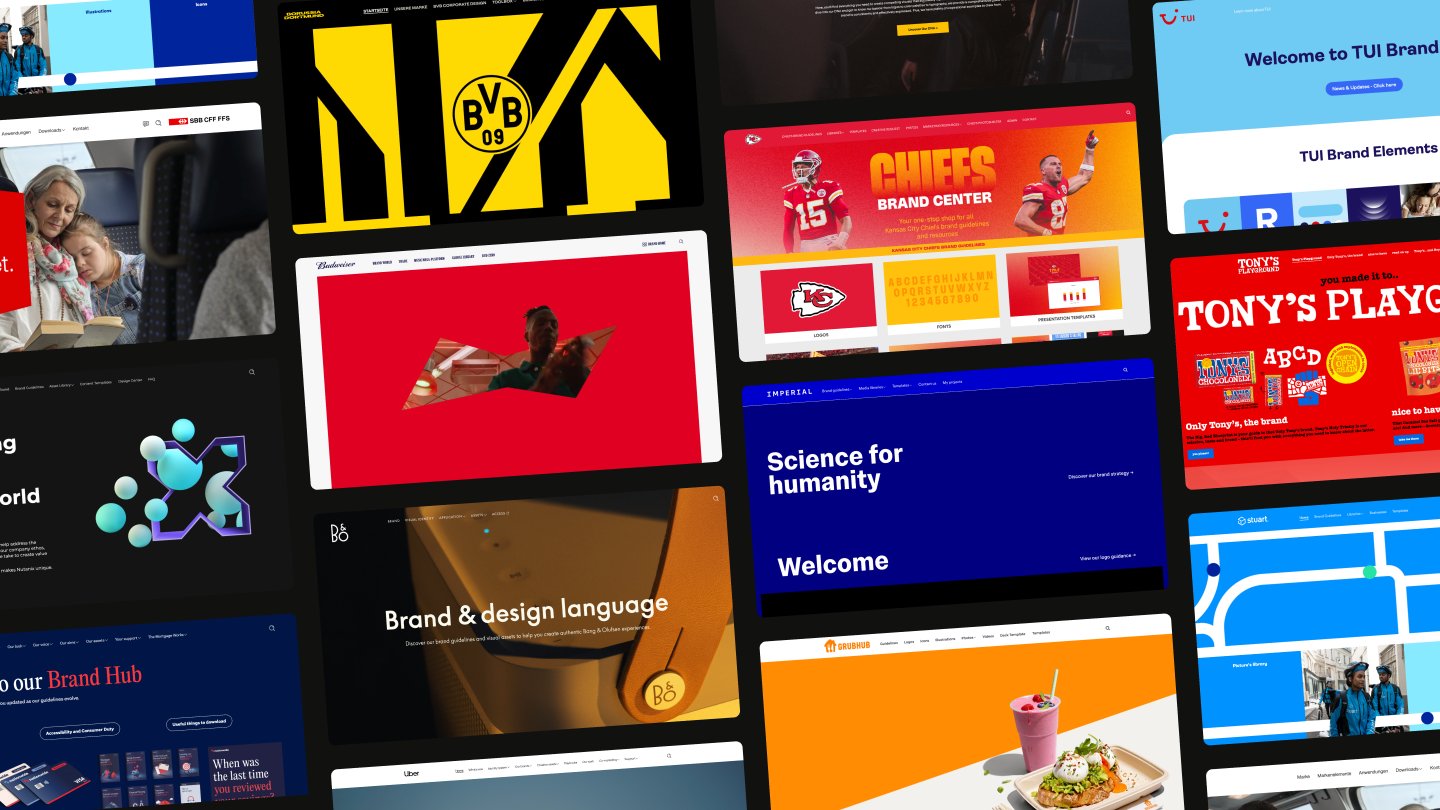
Uber
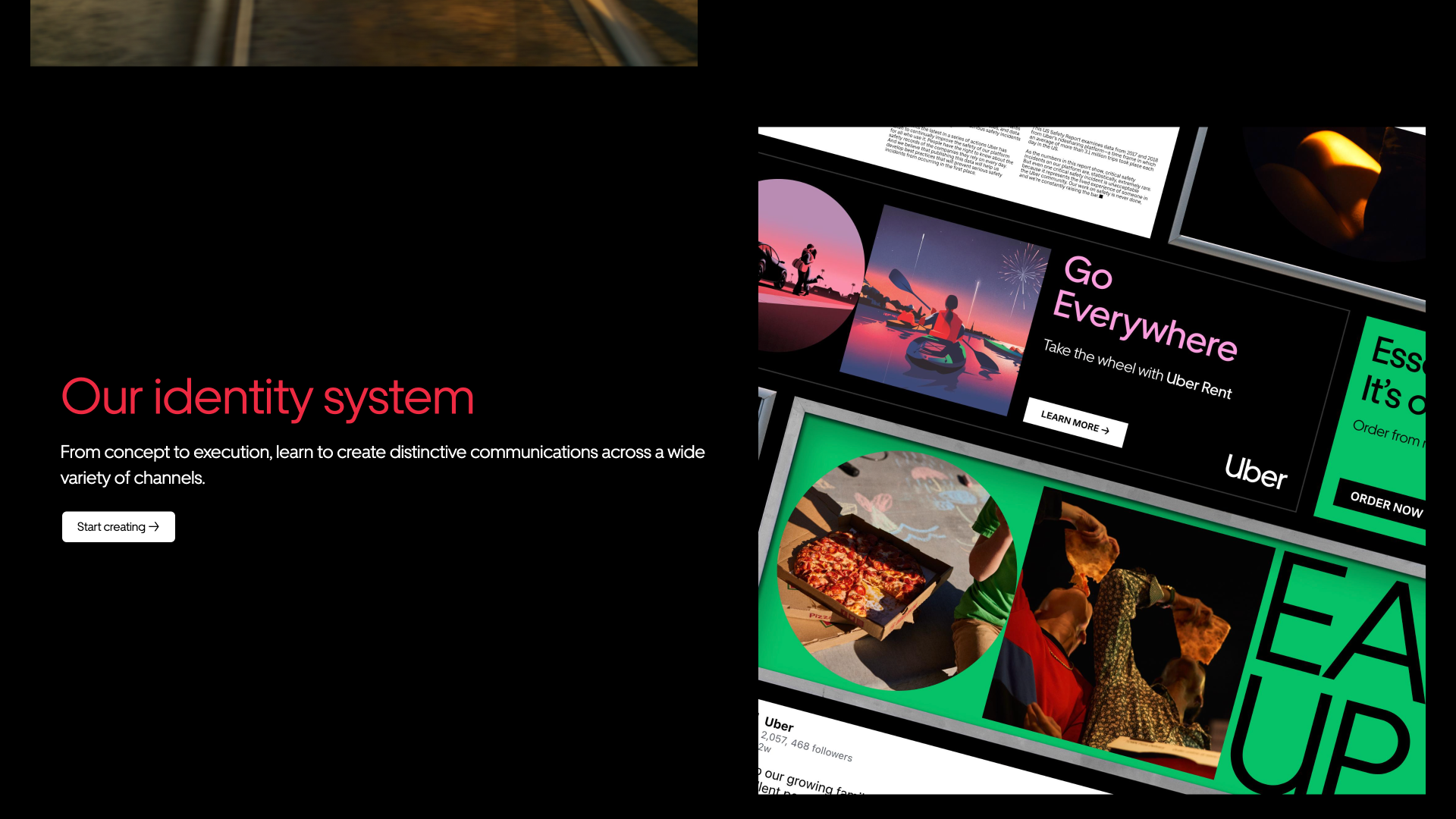
Uber's guidelines are useful because they account for scale, localization, and operational detail. They show how a global brand can define consistent rules while still adapting to different markets and contexts.
What to copy: include rules for edge cases, localization, partnerships, and situations where brand elements appear outside standard marketing channels.
Bang & Olufsen
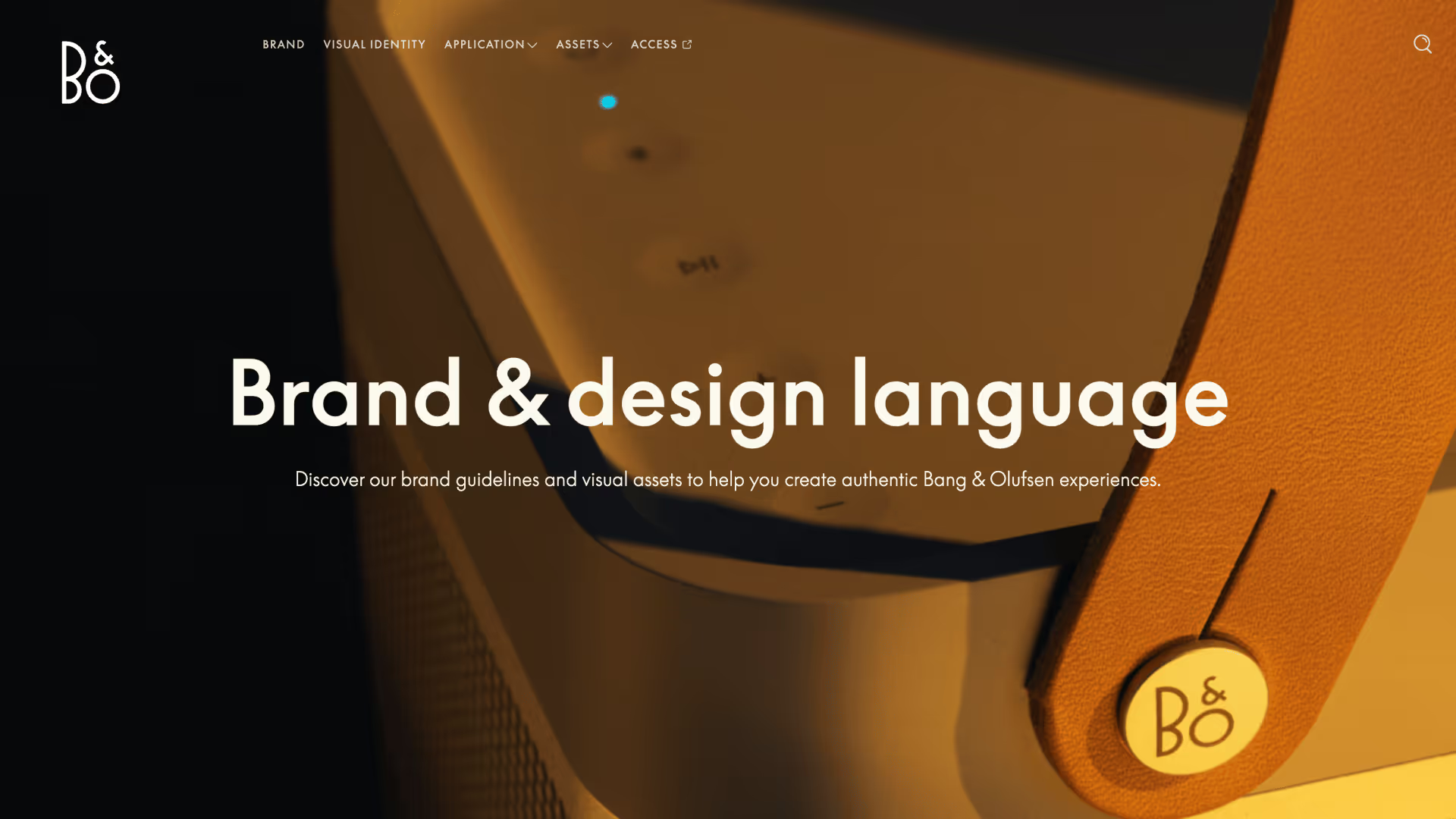
Bang & Olufsen's brand experience shows how the guidelines themselves can express the brand. The structure, imagery, and navigation feel as deliberate as the products.
What to copy: make the guidelines feel like an extension of the brand, not just an internal document.
Budweiser
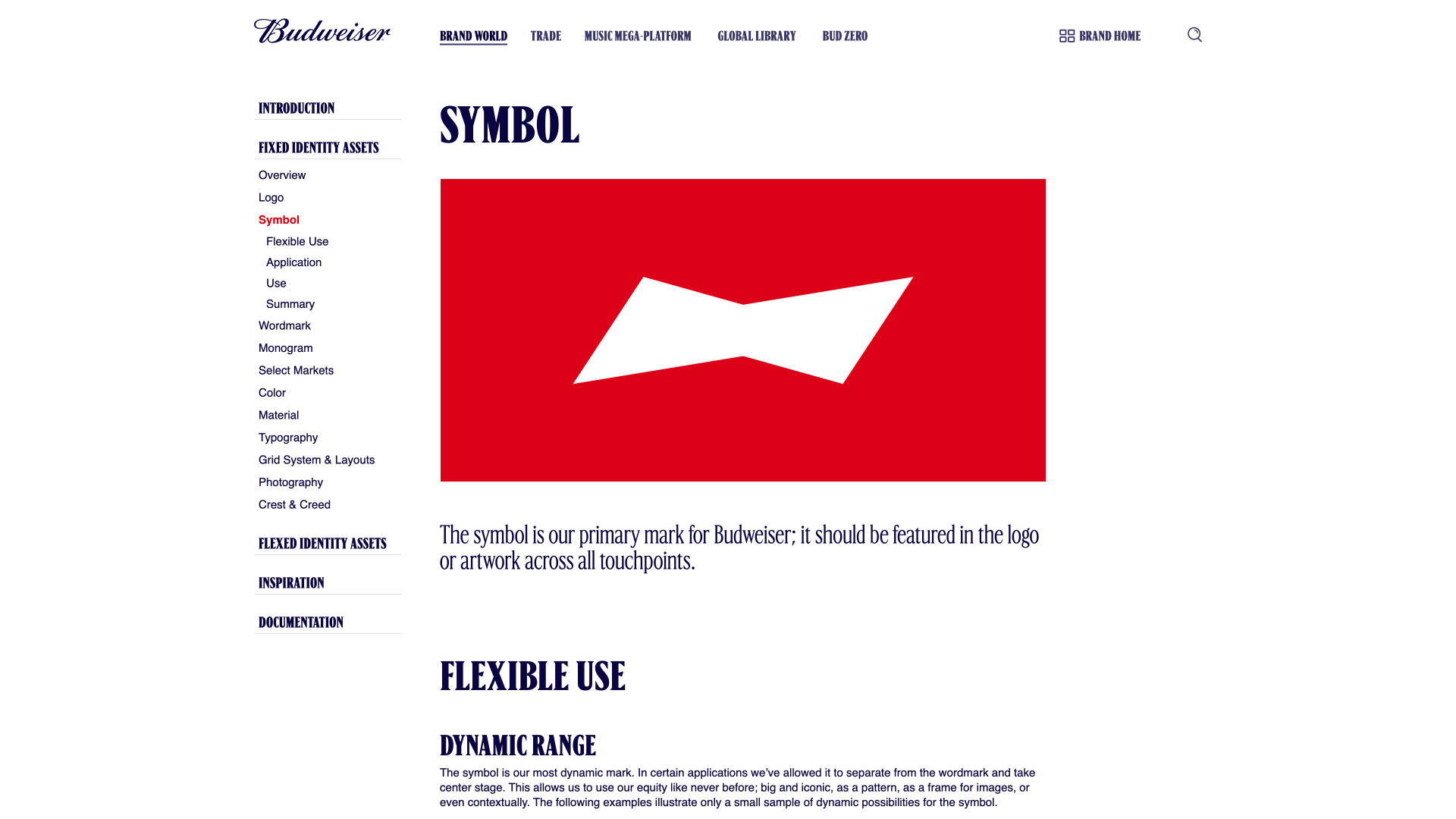
Budweiser shows how guidelines can support a large ecosystem of campaigns, markets, agencies, and retail environments.
What to copy: connect brand standards to the many places the brand appears, especially where local teams or partners adapt materials.
Kansas City Chiefs
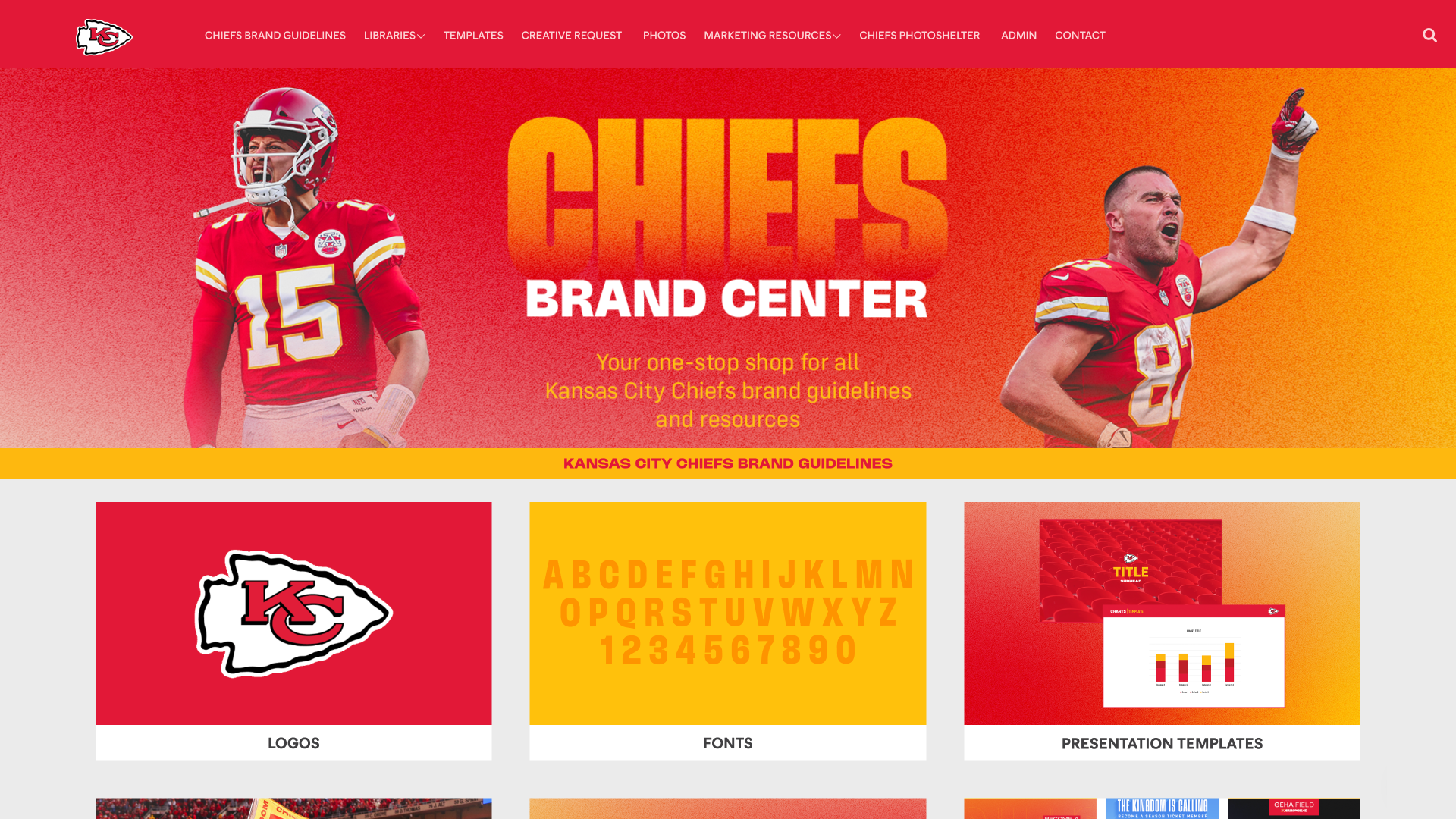
The Kansas City Chiefs show how brand guidelines can help creative and brand teams deliver a consistent experience across fan, partner, merchandise, event, and media touchpoints.
What to copy: document how the brand should show up across both digital and physical environments.
Frontify helps teams create brand guidelines people actually use
Brand guidelines are only valuable if teams can find them, understand them, and apply them.
Frontify gives organizations one place to manage brand guidelines, approved assets, templates, and workflows, so teams can create on-brand content with more confidence and less friction.
With Frontify, you can:
- Centralize guidelines so everyone can access the latest version
- Connect guidelines directly to approved assets and templates
- Manage access for internal teams, agencies, partners, and markets
- Update standards without redistributing static files
- Support multi-brand and regional guideline structures
- Integrate brand rules and assets into the tools teams already use
- Give AI tools governed brand context through the Frontify MCP server
Instead of treating guidelines as a document people check at the end of a project, Frontify helps turn them into a living brand system that supports creation from the start.