

Courtyard puts “by Marriott” in its name. The Ritz-Carlton leads with a name of its own. Both sit within Marriott’s portfolio, but they make that connection differently. As your business grows, those decisions matter: should a new offering share your name, carry an endorsement, or build its own identity?
What is brand architecture
Brand architecture is the system that defines the roles of your brands, products, and services and the relationships between them. It determines which name leads, how visibly offerings connect, and when a brand needs its own identity.
A clear structure helps customers understand what you offer. It also gives teams a shared basis for decisions about launches, acquisitions, naming, and design. This guide compares the main approaches and shows you how to choose, document, and manage a structure that fits your business.
Brand architecture models at a glance
These four approaches give you a starting point. Frameworks differ: Some identify sub-brands separately. Others group endorsement within hybrid architecture. Focus on the role each name plays in the customer’s decision. Aaker and Joachimsthaler’s brand relationship spectrum explores how closely brands can connect.
What brand architecture determines
Your portfolio structure turns business strategy into choices customers can understand. For each offering, define:
- Its role: the customer need, audience, and position it serves within the portfolio.
- Its relationship: whether it shares the master brand, carries an endorsement, or presents a distinct identity.
- Its expression: the naming, messaging, and visual rules that make that relationship recognizable.
A corporate ownership chart tells you who owns what. Brand architecture explains which relationships customers should see and understand. The two can look different. A subsidiary can trade under the group name, while several distinct brands can belong to one legal entity.
Architecture sets relationships across the portfolio. Identity expresses an individual brand through its name, voice, and design. A brand portal gives teams access to the guidance and assets they need to apply both.
Brand architecture types and examples
See how each approach works through the names and connections customers encounter.
The examples show visible brand relationships. They don’t classify every part of each company.
Branded house
A branded house puts the master brand first. Customers recognize the shared name, then use product or service names to distinguish the offerings.
Example: Google Workspace brings together tools including Docs, Drive, and Meet. Google Docs, Google Drive, and Google Meet use the same recognizable name. The example covers this product family within Alphabet’s wider portfolio.
Best fit: related offerings whose customers can reasonably expect the same underlying promise. Before adding a new service, ask whether the existing name helps people understand and trust it.
Main trade-off: Extending one name too far can make its meaning less clear. Shared reputation also means a problem with one offering can affect confidence in others.
Put it into practice: Define which identity elements stay consistent and where product descriptions, imagery, or messaging can vary. Agree how teams should name new offerings before they commission logos.
House of brands
A house of brands gives each brand its own identity and position. Customers may know the corporate owner, but the individual name leads their choice.
Example: P&G’s portfolio includes Tide, Pampers, and Gillette. Each name stands for a different category: laundry care, baby care, and grooming. The corporate name takes a supporting role.
Best fit: offerings with different audiences or promises, or established names whose recognition is worth preserving. Distinct brands can also serve different needs within the same category.
Main trade-off: Each identity needs attention and investment. Separate branding can reduce some spillover between brands, but it can’t guarantee protection from problems associated with the owner.
Put it into practice: Give every brand a clear purpose and owner. Teams can share systems and operations while maintaining distinct identities.
Endorsed brands
An endorsed brand has its own identity and a visible connection to another name. The endorsement tells customers who stands behind the offering.
Example: Courtyard by Marriott pairs the Courtyard name with a visible Marriott endorsement. Customers see both the individual hotel brand and its connection to the wider group.
Best fit: an offering that needs its own identity and benefits from the parent’s credibility. Test whether customers recognize the endorsement and find it useful.
Main trade-off: Teams must manage both identities and their connection. A poorly matched endorsement can confuse customers about what to expect. A problem with either brand can also affect confidence in the other.
Put it into practice: Specify the endorsement wording, prominence, placement, and permitted variations. Show examples for actual touchpoints, such as a website header, packaging, or sales presentation.
Hybrid brand architecture
A hybrid portfolio combines different relationships. Some offerings may use a shared name, others an endorsement, and others a distinct identity.
Example: Marriott’s portfolio includes Marriott Hotels, Courtyard by Marriott, and The Ritz-Carlton. These names show three ways to present the group connection. Shared booking and loyalty experiences also link the portfolio, including brands with distinct names.
Best fit: portfolios where customer research supports a mix of relationships. An acquired brand, for example, may have recognition worth retaining.
Main trade-off: More relationship types create more rules to explain and maintain. Teams need to know why each exception exists and which rules apply to the next launch.
Put it into practice: Document the reason for each relationship and the criteria for changing it. Decide who can approve exceptions, and revisit temporary arrangements after an acquisition.
Where sub-brands fit
A sub-brand gives an offering its own meaning while keeping a strong connection to the master brand. Some frameworks treat sub-brands as a separate strategy because the balance between the two names can vary.
A product descriptor isn’t automatically a sub-brand. Before creating one, ask what it needs to stand for in its own right. If its only job is to explain a feature or tier, a descriptive name may be enough. Vivaldi’s explanation of the brand relationship spectrum explores this distinction.
How to choose a brand architecture model
Start with what customers need to recognize and trust. Use the questions below to compare options. Then test them with customers and the teams who’ll apply the rules.
Launching a related service for existing customers? Start by testing a descriptive name under your current brand. Acquiring a well-known specialist? Find out what customers value in its name before replacing it. Use the research to decide how visible the connection should be.
Work out what the change will take to implement. A naming change can affect domains, search demand, packaging, contracts, and customer communication. Record what must change, what can transition gradually, and what evidence would justify the investment.
When to review your brand architecture
Review the structure when your business changes or when customers and teams struggle to understand the portfolio. Useful signals include:
- Customers can’t distinguish offerings or explain which one suits their needs.
- Teams invent new names, logos, or endorsement treatments without agreed criteria.
- An acquisition, new market, or product launch doesn’t fit the existing rules.
- Two brands target similar needs without a clear reason for maintaining both.
- Sales, websites, and campaign materials describe the relationships differently.
If one offering sells less than another, investigate why. Ask customers to explain the difference between them and identify which meets their needs. Difficulty doing either gives you a specific reason to review the structure. Also check product quality, pricing, distribution, and demand.
How to build and implement brand architecture
Use customer research to choose a structure, then turn it into rules teams can apply. Each step below produces something you can review and use.
Audit what customers actually encounter
Include regional brands, acquired names, service lines, and product tiers in your brand audit. Collect examples from websites, packaging, sales materials, and support channels. An official diagram may miss names that have become established through everyday use.
For each name, record its purpose, audience, owner, and current relationship to the group. Flag inconsistent treatments before deciding whether the underlying structure needs to change.
Test the structure on real decisions
Use realistic tasks in customer research. Can someone identify the right offering? Can they explain the connection between two brands? What do they expect from an endorsed product? Keep the designs comparable when you test different structures. You want to learn whether people understand the relationship, rather than which design they prefer.
Also ask internal teams to apply the proposed rules to a new launch or acquisition. If they reach conflicting answers, clarify the decision criteria before rollout.
Document enough detail to guide execution
Publish a portfolio map and explain each brand’s role. Add naming conventions and specify which identity elements teams should share or keep distinct. Show correct endorsements and explain how to request an exception.
Consider a hypothetical endorsed brand, Cedar by Atlas. The guidance could require its full name at first mention and show the approved endorsement on a website and a pack. Teams then have examples they can follow.
Make the rollout accountable
Assign an owner for the architecture. Agree who approves changes across brand, product, regional, and business leadership teams. Prioritize customer-facing touchpoints where confusion is most costly. Archive outdated guidance and tell agencies and partners where the current rules live.
Measure the problem before rollout so you can compare results. Track how often customers choose the right offering in research tasks, how long naming approvals take, and how often teams use the correct endorsement. Awareness and revenue can add context, but other business changes can affect those measures.
Managing brand architecture with Frontify
Give teams a clear route from the portfolio overview to the guidance, assets, and templates they need. Someone creating a campaign should be able to find the right logo and endorsement rules in the same place.
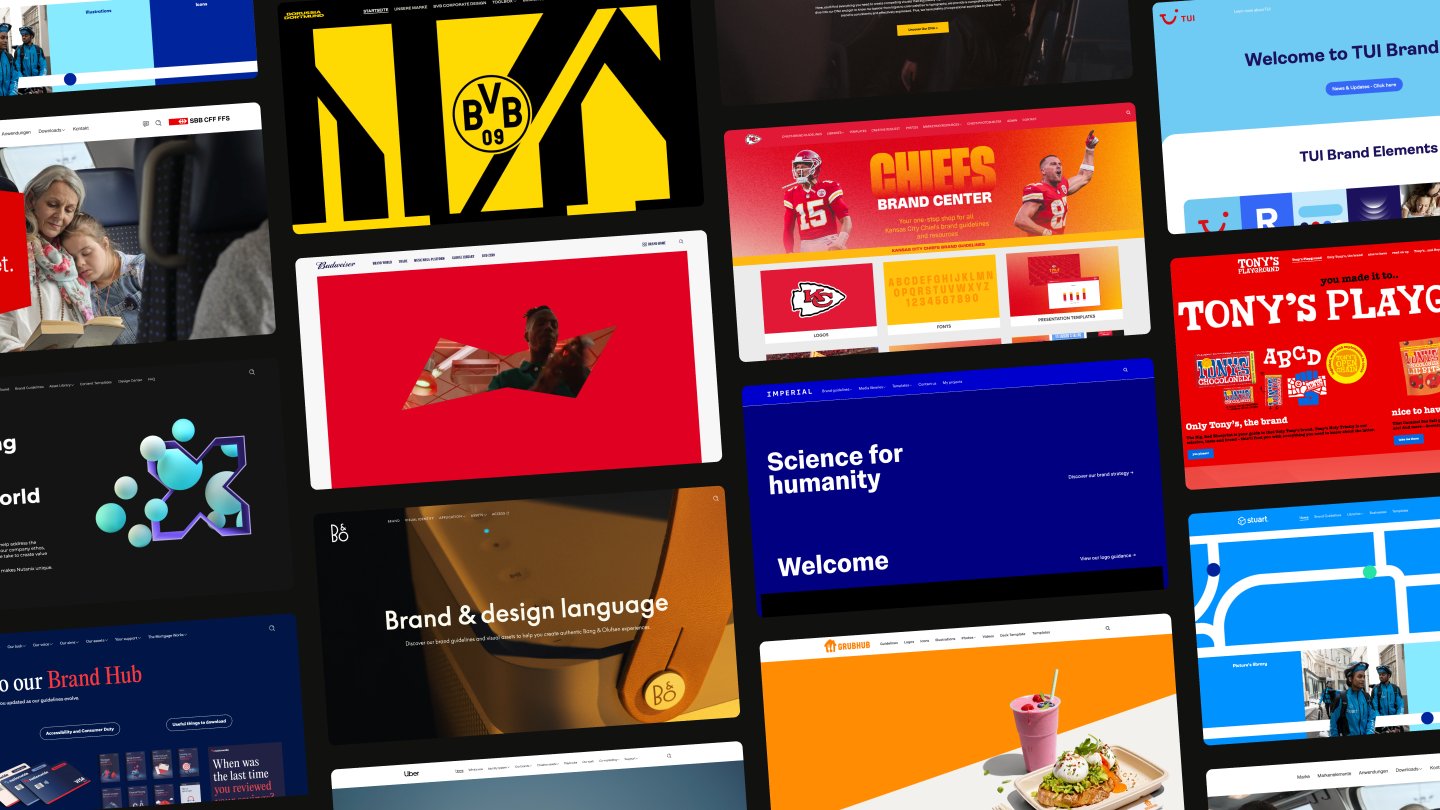
A brand portal can make these relationships accessible. Connected digital asset management helps teams find approved materials for each identity. Organize access around the people who need to use or maintain those resources, including regional teams and external partners.
Telefónica puts portfolio guidance into practice
In Frontify’s Telefónica customer story, separate tools and processes had made collaboration across brands difficult. Telefónica brought guidelines and digital assets together in a centralized Brand Factory. Permissions helped teams and partners access the resources relevant to their work.
The published case study reports 16 brands managed in one platform and more than 17,000 users with access. Teams can use one system to manage resources while keeping clear guidance for each identity.
Explore how Telefónica manages multiple brands with Frontify. Read the customer story.