Companies building a brand today have more assets, channels, and contributors to keep track of than ever before. The right tools can turn effective brand management from a constant headache to a walk in the park. But it can be difficult to know which are best suited to your brand’s unique circumstances and requirements.
We’ve hand-selected some of the top tools for the different aspects of brand-building and management. Our guide will help you understand how to evaluate brand management software, and help you choose the one that best fits your organization.
For each one we’ve identified its best features (based on what’s on the company website), and particular strengths (based on common themes in their G2 reviews). G2 ratings are accurate as of January 2026, and may change over time.
What is brand management software?
Brand management software helps organizations create, manage, and scale a consistent brand across every channel. It brings brand assets, guidelines, templates, and governance into one connected system.
This type of software supports the full brand lifecycle, from asset creation to distribution and measurement. Marketing, design, and regional teams can collaborate on brand-related projects while leaders maintain oversight and control.
Key capabilities to look for:
- Brand governance: Define rules, permissions, and guardrails to protect brand integrity at scale.
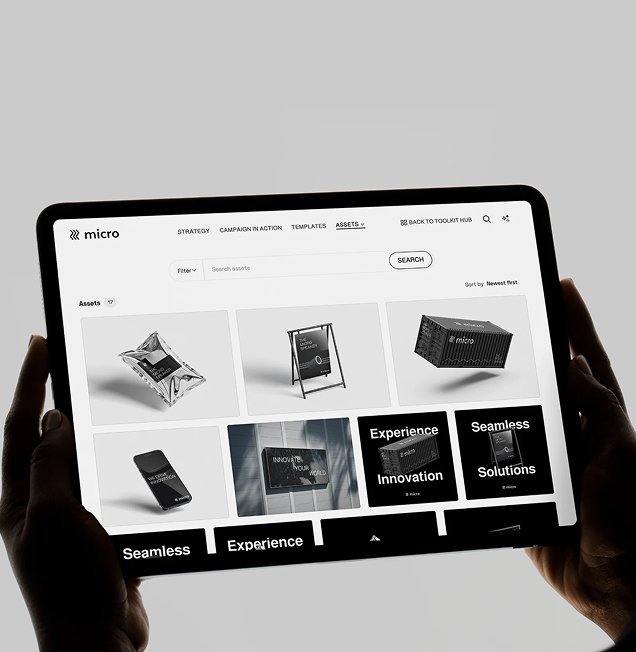
- Asset management: Organize, search, and distribute approved brand assets from a single source of truth.
- Templates: Enable teams to create on-brand content quickly without starting from scratch.
- Approval workflows: Streamline reviews and sign-offs to keep projects moving.
- Automation: Reduce manual work with automated updates, versioning, and content distribution.
- Integrations: Connect seamlessly with design tools, CMSs, DAMs, and marketing platforms.
- Analytics: Measure adoption, usage, and compliance to understand brand performance.
How to evaluate brand management software
Choosing brand management software can be a lengthy process. Here’s an overview of the most important things to look for when comparing and selecting tools for your company.
Core capabilities
When evaluating brand management tools, make sure they have the fundamentals and core functionality you’d expect from that type of tool.
- For DAM tools: Centralize assets, enable advanced search and metadata, control versions, and manage permissions.
- For social media tools: Support content planning, approval workflows, publishing, and social listening.
For analytics tools: Track brand usage, performance metrics, compliance, and adoption across teams. - Across all tools: Prioritize usability, fast onboarding, and native integrations with existing systems.
Enterprise requirements
Enterprise teams often have more complex brand management requirements than smaller businesses, so they should look for tools that are built to scale and can handle more complex brand needs.
- Support multi-brand and multi-region management to handle portfolios, sub-brands, and global teams.
- Enable localization and permissions so regional teams move fast without breaking brand rules.
- Enforce governance and security with SSO, granular access control, and audit trails.
- Scale reliably as asset libraries grow and more users work concurrently.
Total cost of ownership
It’s easy to focus only on the licensing cost when comparing tools, but it’s just one part of the long-term cost of brand management tools. Hidden operational costs (both monetary and in lost resources or productivity) often determine long-term ROI, adoption, and team satisfaction.
- Factor in implementation and onboarding time before teams see value.
- Account for training and user adoption efforts across roles and regions.
- Evaluate template operations and maintenance overhead as brands evolve.
- Review integration costs and support tiers to avoid surprises as your usage grows.
Best brand management software for 2026
We’ve grouped brand management software into three categories:
- Digital asset management (DAM) tools store, organize, and distribute brand assets from a central source of truth. They help teams find the right files quickly and easily, and prevent off-brand usage. A modern DAM also supports permissions, metadata, and integrations that extend brand control beyond storage.
- Social media management tools help teams plan, publish, and monitor brand content across social media platforms and channels. They enable collaboration across teams and regions.
- Analytics and reporting tools measure how the brand performs and how well teams follow brand standards. They surface insights on asset usage, engagement, and consistency. Leaders use this data to prove brand impact and improve governance over time.
Each category of tool supports a different part of the brand ecosystem and process. The most effective companies understand how these tools work together and that each plays an important role in building, managing, and maintaining their brand image.
Digital asset management (DAM) tools
Frontify
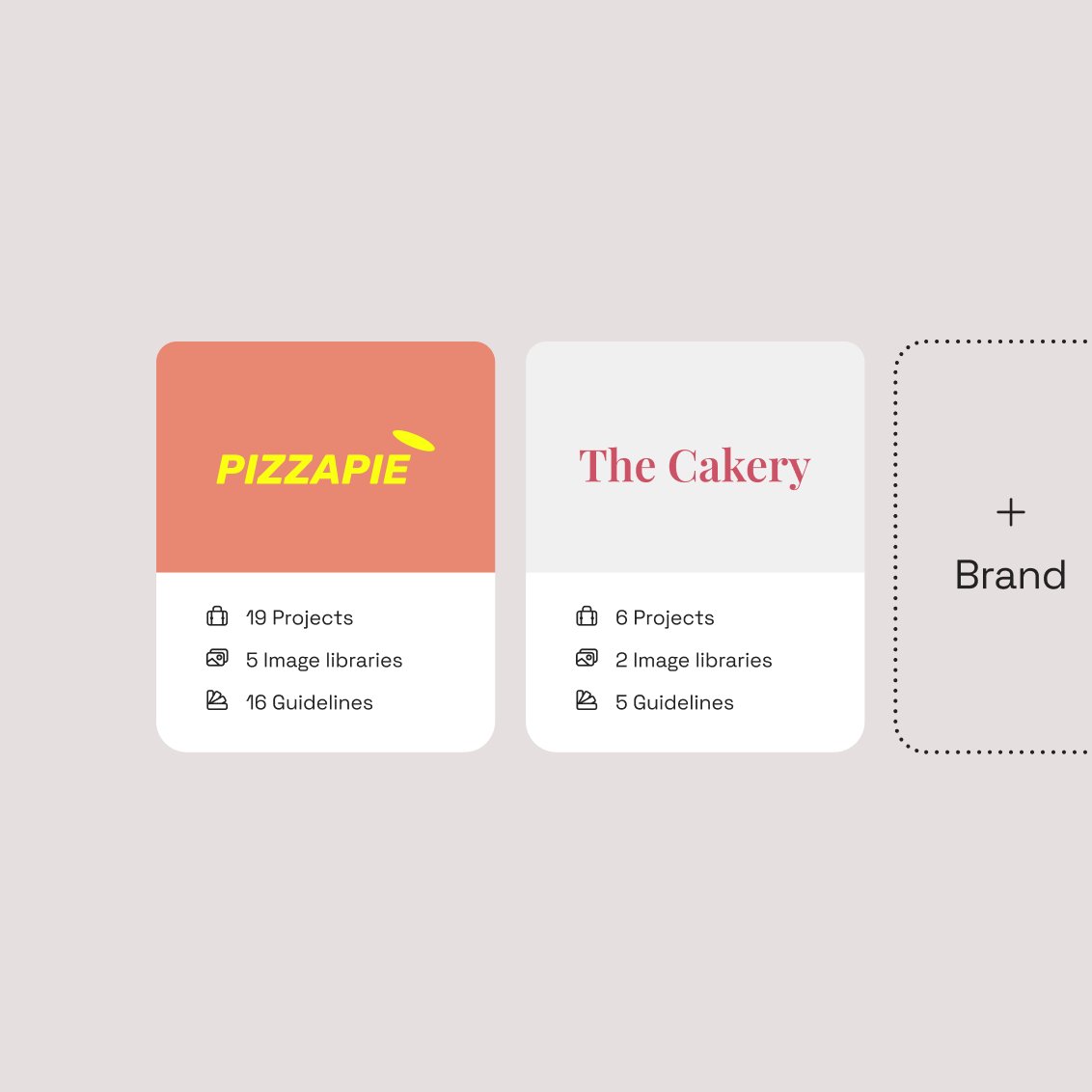
Frontify is building the next generation of asset management tools. It brings together DAM, brand guidelines, editable templates, and AI-powered brand governance in one unified platform. Frontify gives enterprise and mid-market companies a holistic brand-building environment built on a foundation of robust governance and asset management.

G2 rating: 4.5/5
Best for: Enterprise companies and multi-brand organizations
Top features:
- Centralized libraries to store and organize assets
- Scalable architecture for managing multiple brands
- Digital brand guidelines
- Scalable templates
- AI-driven tools to improve searchability and asset reuse
- AI Brand Assistant
- Robust access controls and user permissions
- Customizable and extendible platform
- Seamless integrations with other martech tools
Strengths:
- Comprehensive brand management platform: Frontify offers holistic brand management and creative collaboration features — including a full-featured DAM. This makes it a popular choice for companies looking to improve their brand management capabilities, rather than just their asset organization.
- Scalable platform that grows with your company: Frontify accommodates single or multi-brand structures and helps you meet local and global market demands — all within a unified system.
- Straightforward user interface: Frontify provides an intuitive platform with a streamlined user interface that’s easy for technical and non-technical team members to use.
Pricing:
Custom pricing available on request. Pricing is based on the number of monthly active users so you only pay for the people who are actively using your brand assets.
Bynder
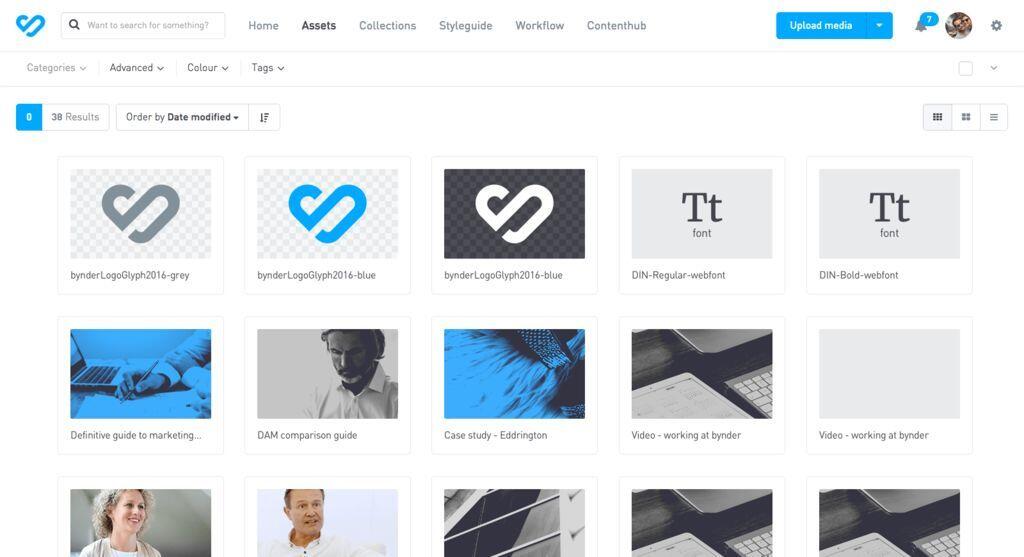
Bynder is an established DAM provider. Since its launch in 2013, it has developed comprehensive brand management functionality, including brand guidelines and creative templates.
G2 rating: 4.5/5
Best for: Mid-market and enterprise companies
Top features:
- Store and organize your brand files
- Control access and usage rights
- Share files internally and externally
- AI-powered metadata and duplicate detection
- Download files in your desired format
- Seamlessly integrates with your entire martech stack
Strengths:
- Straightforward user interface: Some DAM platforms are notoriously complicated, but Bynder customers feel it has a simple, intuitive interface which helps team members start using the platform.
- Scalable platform that grows with your company: Bynder scales with global, enterprise-grade operations, so it’s well suited for fast-growing companies, or those with large volumes of assets to manage.
Pricing:
Custom pricing available on request. Bynder offers three product tiers:
Air
Air is a platform for teams to store and organize visual content. It provides space for working together and allows you to manage collaboration, feedback, and approvals all in the same place. Its visual workspace makes it easy to find assets in cluttered libraries, while its intuitive search lets users find files using natural language.

G2 rating: 4.6/5
Best for: Small and mid-size businesses looking to handle more visual content creation in-house.
Top features:
- Store and organize images, videos, and creative files in a centralized library
- Manage feedback and sign-off with built-in content review and approvals
- Control access with basic governance features and custom metadata
- Find assets fast with AI-powered auto-tagging, facial recognition, and natural language search
- Automatically generate transcriptions and descriptions for video and visual content
- Track version history with version stacking and tracked changes
Strengths:
- Visual-first workspace:Air's interface is built around how creative teams actually work. Assets are displayed in a gallery-style layout that makes it easy to scan large libraries and spot the right image or video quickly.
- Integrated creative workflows: Unlike DAMs focused purely on storage, Air brings collaboration into the platform itself. Teams can leave feedback, manage approvals, and track project progress from brief to final asset
Pricing:
Air offers four pricing tiers, with transparent pricing for most plans:
- Creator: $10/month - for individuals
- Pro: $500/month - for growing businesses
- Business: $900/month - for teams needing advanced AI tools
- Enterprise: Custom pricing -for organizations needing control, security, and support at scale
Social media management and content creation
Canva Business
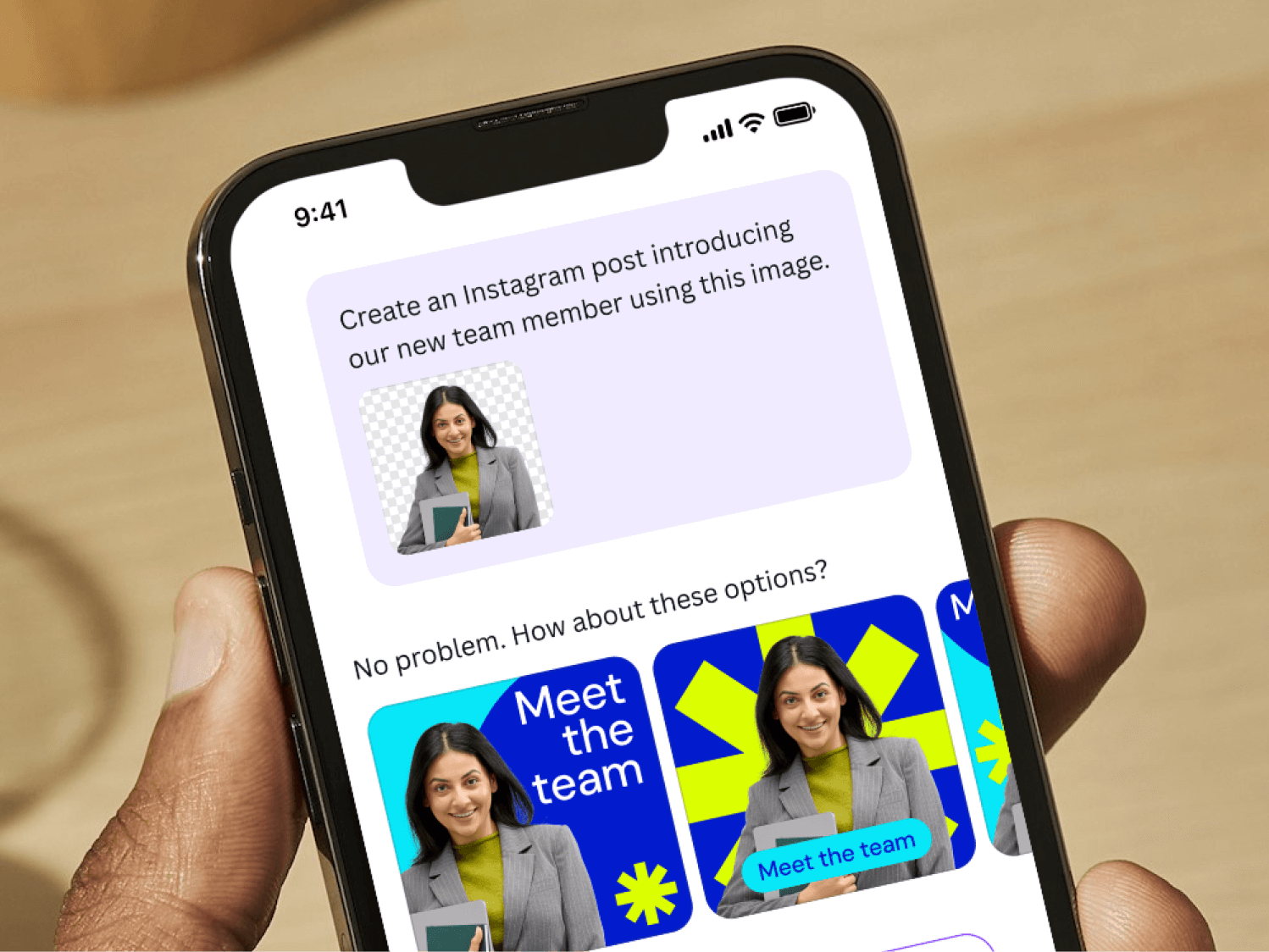
Canva is an AI-powered visual communication and collaboration platform that provides a simple way to create visual content at scale. Canva Business is built for small teams and individuals who need to create visual content faster. It also offers advanced functionality on its enterprise plan.
G2 rating: 4.7/5
Best for: Small and mid-size businesses looking to handle more visual content creation in-house.
Top features:
- Drag-and-drop editor for creating visual content
- Editable templates
- Basic brand kits to store brand colors, fonts, and logos
- AI-powered visual asset creation
- Team admin tools including reports, approvals, and AI controls.
Strengths:
- Straightforward user interface: Canva’s accessible, easy-to-use interface makes it accessible to users with no design background.
- Variety of creative templates: Canva provides a range of pre-built templates for commonly-used assets, such as social media content, presentations, or marketing materials, making it easy for team members to create visual assets without additional design support.
Pricing:
Enterprise pricing on request. Canva Business has two pricing tiers:
- Business: For individuals and small teams, with advanced visual creative tools
- Enterprise: For large business and enterprise teams, with enterprise-grade security, storage, and support.
Canva also offers a free plan, but that is more suitable for individual users rather than businesses, as users can’t collaborate or share assets easily.
Marq (formerly Lucidpress)
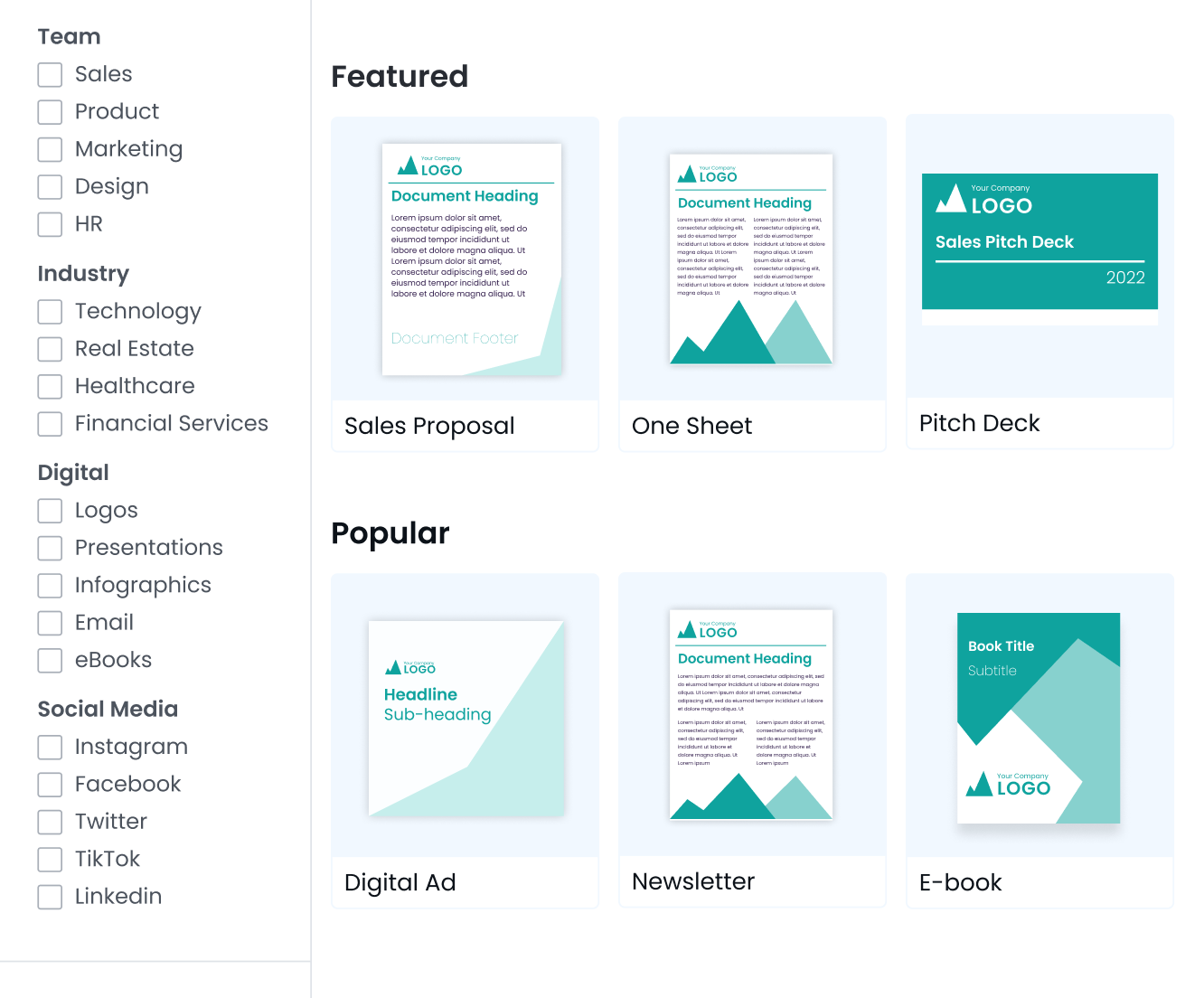
Marq is a creative design platform that companies can use to create templated, branded content and distribute them across digital channels. It helps businesses scale up content creation without sacrificing brand identity or consistency.
G2 rating: 4.4/5
Best for: Mid-size and enterprise companies looking to scale design output.
Top features:
- Library of pre-built, editable templates
- Centralized location to manage assets and projects
- Export designs for digital and print
- Connect with social media, website, and other digital channels
- Admin and user roles and permissions
Strengths:
- Variety of creative templates: Marq provides a range of pre-built templates for commonly-used print and digital assets, making it easy for team members to create visual assets without additional design support.
- Easy to use: Customers feel that Marq is easy to use when searching for templates or designs, as well as creating assets.
Pricing:
Enterprise pricing on request. Marq has two pricing tiers:
- Team: For SMB teams (up to 20 users) that need to scale design output with automation
- Enterprise: For teams and organizations looking to scale design output, with enterprise-grade security, storage, and support.
Marq also offers two pricing tiers for individuals — a free plan for occasional users, and a pro plan for individuals building branded collateral on a regular basis. These are more suitable for individual users rather than businesses, as users can’t collaborate or share assets easily.
Adobe Express for Enterprise
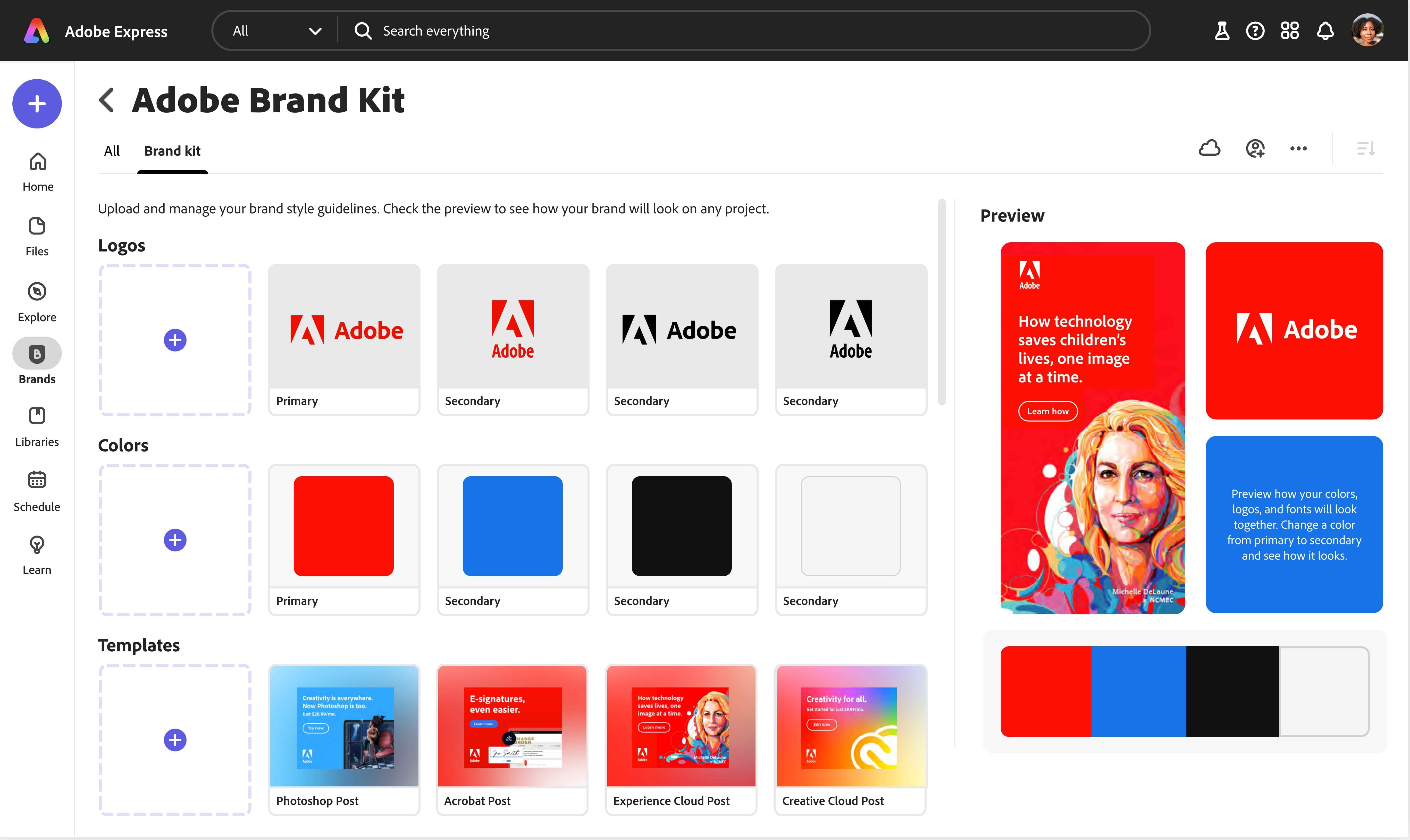
Adobe Express is a cloud-based design platform where users can create videos, PDF documents, web pages, graphics and other digital assets. It makes digital content creation accessible and easy for non-designers, helping businesses scale up creative work across the business.
G2 rating: 4.5/5
Best for: Businesses looking to scale up content creation without hiring more designers
Top features:
- Library of editable templates
- Access to free Adobe Stock images
- One-click basic image editing
- Basic brand kits to store brand colors, fonts, and logos
- Share templates, assets, and brand identity across your team
Strengths:
- Ease of use: Users feel that Adobe Express is simple and easy to use, perfect for team members who don’t have previous design experience
- Variety of templates: Customers feel the templates in Adobe Express are very useful, letting them create a variety of different brand assets quickly and easily.
Pricing:
Enterprise pricing on request. Adobe Express has two pricing tiers for businesses:
- Adobe Express Teams: Advanced collaboration for teams creating on-brand content at scale with security and generative AI credits.
- Adobe Express Enterprise: For large business and enterprise teams that need access to millions of assets, more AI credits and premium tools.
Analytics and reporting
Brandwatch
Brandwatch offers a suite of tools for managing and monitoring brands, including consumer intelligence, social media monitoring, and influencer marketing. It pulls data from various sources — from social media platforms to news sources.
G2 rating: 4.2/5
Best for: Enterprise companies, or agencies managing or monitoring brands for multiple clients.
Top features:
- Data coverage across social media platforms, news sources, discussion forums, and user reviews
- Industry and competitor benchmarks to understand how your brand measures up
- Customizable dashboards to track brand health, mentions, and sentiment
Strengths:
- Easy to use for social media management: Brandwatch provides an all-in-one tool for social media management so that most channels can be taken care of in one place, making it easy to manage social media at scale.
- Comprehensive consumer intelligence tool: Brandwatch’s consumer intelligence tool makes it easy for companies to surface and analyze online conversations, so they can monitor real-time conversations, track consumer sentiment, and spot emerging trends.
Pricing:
Custom pricing on request. Brandwatch has different pricing plans for each of the products in its suite, but users need to book a demo or speak to their sales team to get pricing information:
- Consumer Intelligence: Find meaning in the billions of conversations happening online with their consumer intelligence platform.
- Social Media Management: All-in-one social media management platform. Perfect for teams collaborating on social.
- Influencer Marketing: Streamline influencer discovery, relationship management, and campaign reporting all in one end-to-end solution.
Meltwater
Meltwater is a comprehensive media monitoring and consumer intelligence platform. It offers a suite of products across media, social, and consumer intelligence. It analyzes almost 1 billion pieces of content per day, to give companies a complete view of the conversations, behaviors, and signals influencing their markets.
G2 rating: 4.1/5
Best for: Enterprise companies, or agencies managing or monitoring brands for multiple clients.
Top features:
- Social listening and analytics across a wide range of channels
- Social media management to publish and engage across channels
- Media monitoring and intelligence
- Media outreach at scale
- End-to-end relationship management for influencer marketing
Strengths:
- Easy to use: Customers find the Meltwater platform easy to use to surface valuable insights, analytics, and interactions related to their brand.
- Helpful customer support team: Users report that Meltwater’s support team responds quickly and helps resolve questions and problems efficiently.
Pricing:
Custom pricing on request. Meltwater offers three different packages:
- Essentials: Perfect for small teams offering the core products you need to start making an impact for your business
- Suite: Create a suite of solutions that addresses your business goals and helps your teams scale to drive better results.
- Enterprise: Build a robust, custom suite with premium services to deliver global impact for you and your brands.
Talkwalker by Hootsuite
Talkwalker is a consumer insights platform that gives brands access to extensive knowledge about their consumers in almost real time. It pulls data from more than 30 social media platforms and over 100 data partners.
G2 rating: 4.3/5
Best for: PR teams, brand teams, and social media departments at enterprise companies, or agencies managing brands for multiple clients.
Top features:
- Social listening across a wide range of channels
- Social benchmarking to see how your brand measures up against competitors
- Media monitoring to bring in data from non-social sites and platforms
- BlueSilk AI uses NLP and Generative AI technology to enrich data, categorize it, and surface the most actionable insights
Strengths:
- Highly customizable platform: Users find the Talkwalker platform easy to tailor and customize to their brand, search terms, and media types.
- Extensive channel coverage: Reviewers feel Talkwalker offers good coverage across known and smaller channels, including micro-influencers and smaller websites.
Pricing:
Custom pricing on request. Talkwalker offers three pricing tiers:
- Listen: Keep track of brand mentions and sentiment with social listening and media monitoring essentials.
- Analyze: Competitive benchmarking, deeper insights, and custom dashboards tailored to your goals.
- Business: 12x the insights and advanced systems to scale data-informed decision making, plus enterprise features and governance.
Build your brand management toolkit today
The right tools can make a real difference to your brand team: They can help achieve the internal alignment that’s so important for building a consistent brand across all teams and content.
And one tool that can be right at the heart of your brand-building efforts is Frontify. Get a personalized demo to see how it can integrate with all the other tools in your brand toolkit and transform the way your company manages its brand.