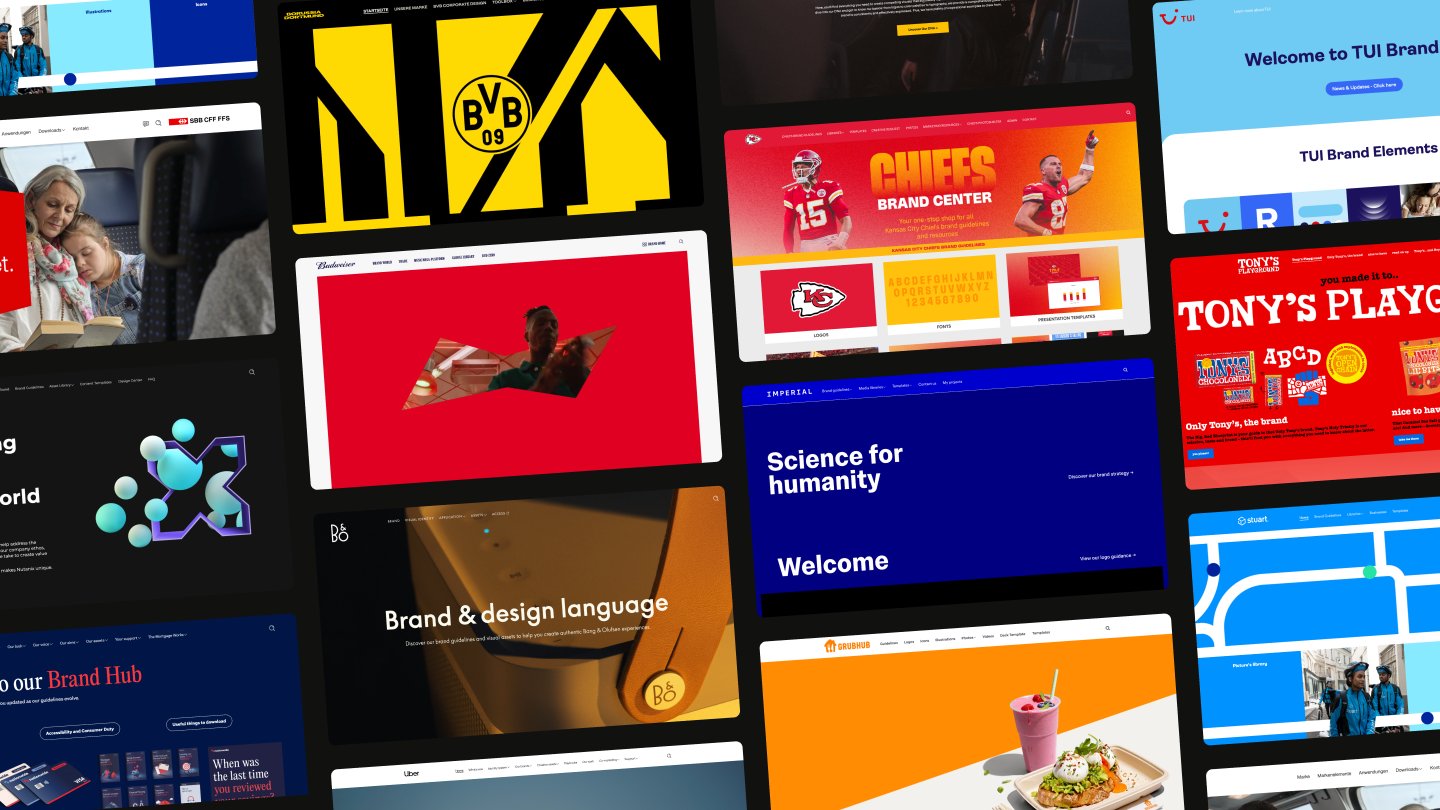
- Flat design enables flexibility – not a weakness but a strength
- Success comes from core values that stretch across markets
- Digital brand hubs crucial for maintaining global consistency
- Local adaptation needs clear frameworks, not rigid rules
- Brand systems must flex between traditional and EV offerings
Key takeaway: Tomorrow's automotive brands need flat but flexible identities that can adapt locally while maintaining global consistency.
Stellantis, the multi brand automotive multinational, ended 2024 with something of a car crash. After heavy cost cutting, product restrictions and poor pricing choices, it had to admit that it had failed to shift the predicted numbers of Jeep 1, Dodge and Ram vehicles. Now it is committed to spending more on the marketing of these very distinctive brands, in an attempt to revive their fortunes.
There were problems in the supply chain, but also in the brand identity, with each car marque closely associated with a very specific part of the automotive market – offroad, muscle cars, and heavy trucks, respectively – allowing little room for flexibility.
This stands in contrast to more successful brands, which have managed to flatten their identities, but still remain agile enough to reach out to specific audiences and market shares.
1Jeep’s ‘Owner’s Manual’ campaign highlights the challenge of evolving a tightly defined brand, as Stellantis attempts to balance heritage with the need for broader market appeal.

2Mazda’s logo redesign shows how flattening is less about minimalism and more about building a system that performs consistently across digital touchpoints.
Last July Mazda redesigned its logo 2, flattening and sharpening its once 3D insignia, to meet the needs of the phone and laptop screen. It also stuck with its core brand pillars of innovative design and manufacturing, quality, and sustainability.
Yet this simple brand has remained flexible enough to push its core brand out to meet different market shares. Last year it teamed up with US data-driven agency, Optimal, to market its compact crossover SUV, the CX-50, to a more outdoorsy, adventurous audience, more interested in kayaking than meticulous dashboard finishes. With the tagline ‘Looking for outsiders’, the campaign helped push Mazda’s U.S. sales by nearly 19% in 2024, and worked to increase CX-50 deliveries skyrocketed by 90%, winning the car marque and its agency an Ad Age Automotive Marketing Award.
Toyota, the world’s most valuable car brand, manages to stretch its brand in a similar way also. It flattened its logo in 2020 and launched its digital brand hub 3 in 2022 – allowing users to reliably navigate and accurately implement vast design systems and guidelines. Its core brand values aren’t so very different from Mazda’s: quality, innovation, and respect for the planet.
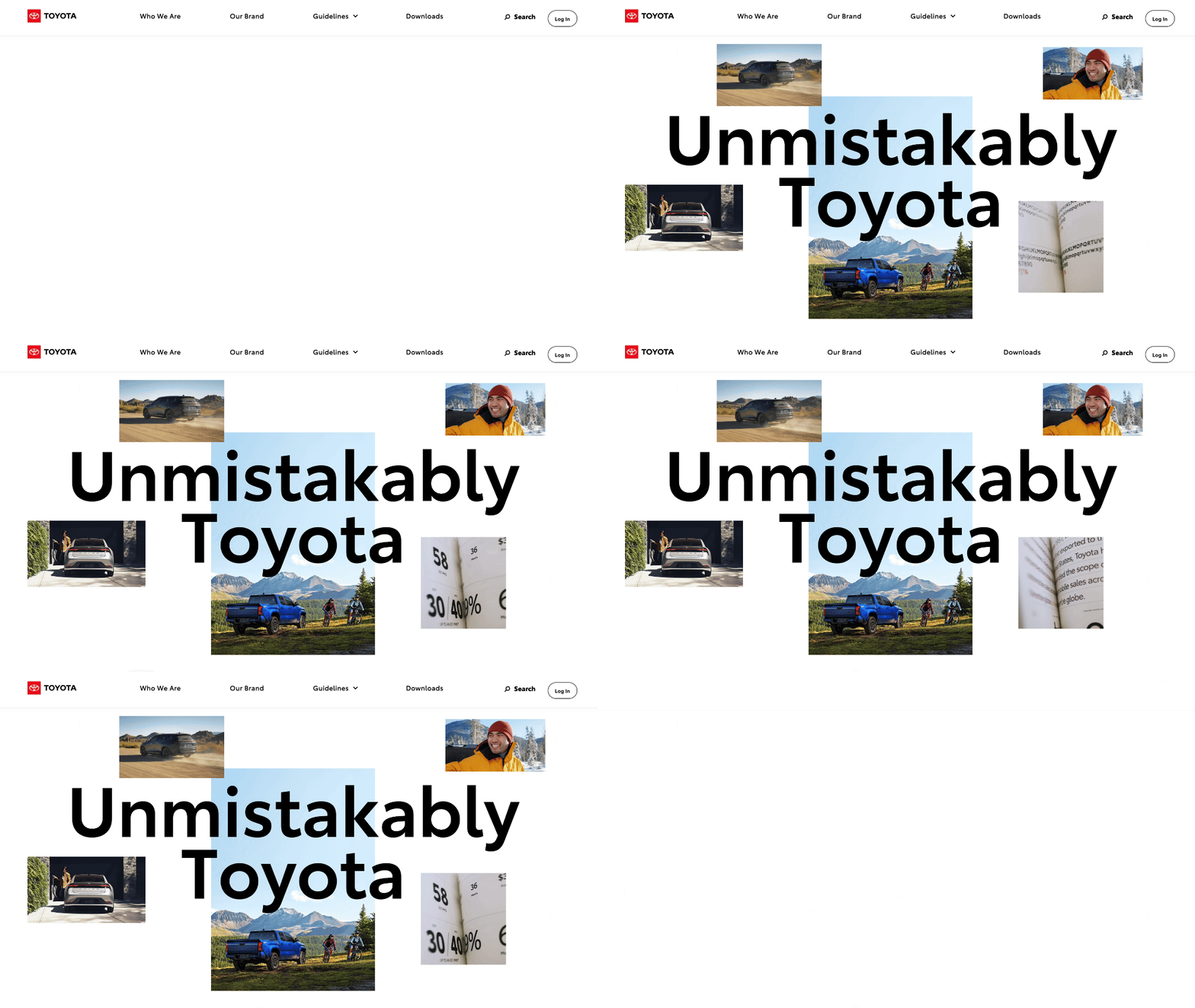
3Toyota’s brand hub turns guidelines into a usable system, allowing teams worldwide to navigate complex design frameworks without compromising consistency.
Yet it also flexes beyond those core values, to appeal on a more specific, emotional level in particular markets. Consider its ‘For What Matters Most' campaign 4, launched in Canada in late 2024, which emotionally positions the car marque as a provider of vehicles that can give drivers the confidence to get any road, enabling them to connect with the people, places and things that are truly essential. This goes beyond simple quality claims, and pushes the brand towards a deeper relationship with a customer base a little outside its defined brand pillars.
BMW has managed to pull off a similar feat. Rather than simply updating logos and guidelines, they developed a dynamic brand architecture that flexes across markets while maintaining core identity elements. Their digital brand hub enables teams worldwide to access market-specific assets while ensuring global consistency – crucial when studies show brand consistency can drive up to 20% revenue growth.
Mercedes-Benz also worked this consistent-yet-flexible trick. When launching their EQ electric range, they maintained consistent sustainable luxury positioning globally while adjusting messaging nuances for different market priorities – emphasising technology in China, heritage in Europe, and performance in the US.
4By adapting its messaging for local audiences, Toyota demonstrates how a consistent brand can flex into more emotional, culturally specific narratives without losing its core identity.
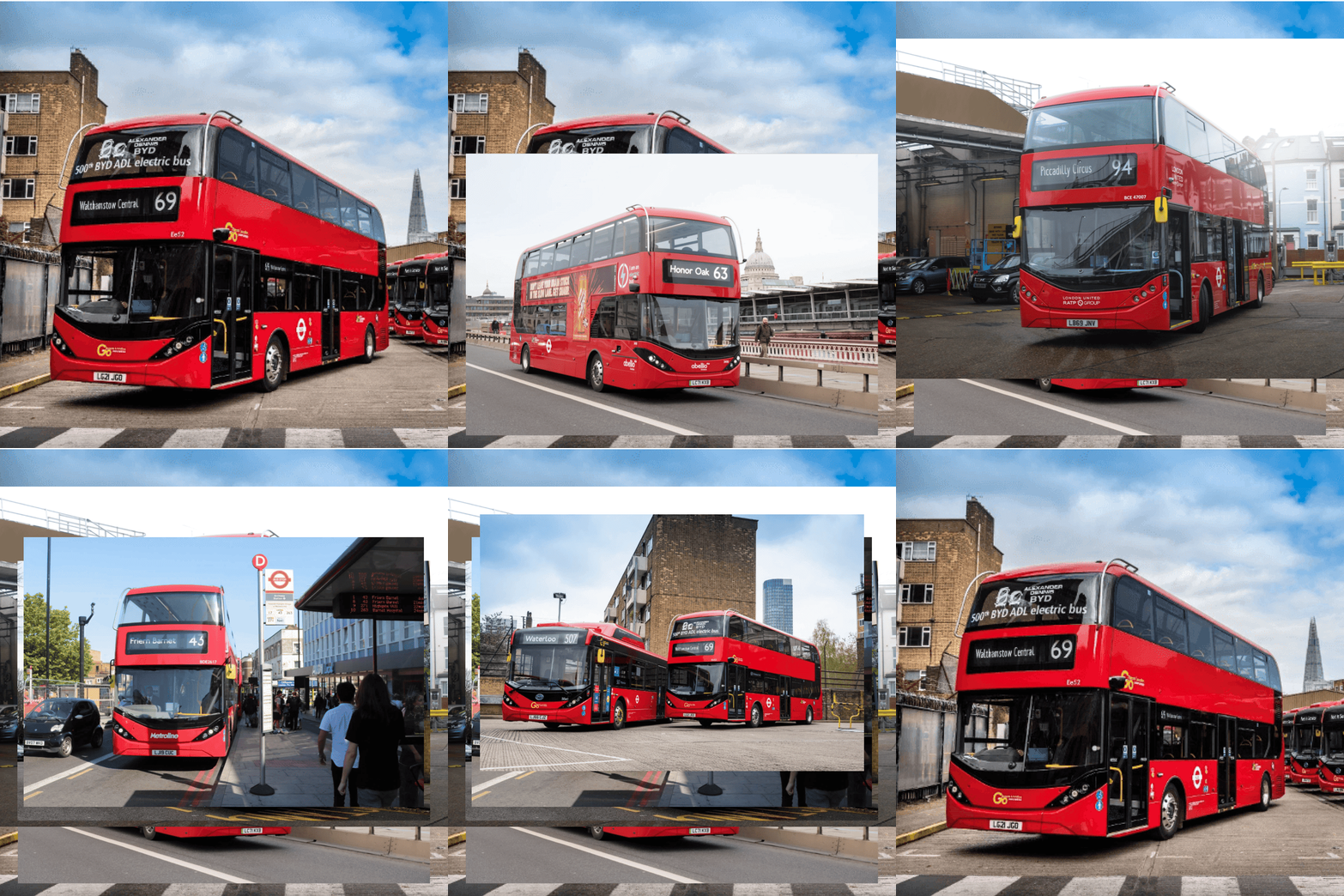
5By showcasing its electric buses in cities like London, BYD expands its brand narrative beyond vehicles, positioning itself as a broader mobility and technology provider.
Even the Chinese challenger brand, BYD, meanwhile, which is scrappier in its design and messaging – it has cycled through three distinct logos since 2021 – has managed to push its brand story, as a battery maker, and its ancillary businesses, building electric buses, rail transportation, batteries and electronics, towards more aspirational, western car buyers.
The brand publicised the use of its buses in London 5 and LA’s public transport network, enabling BYD to brand itself not so much as a car maker, but a global company ‘devoted to technological innovations for a better life’.
Additionally flexibility lies in brand collaborations. The Volkswagen Group isn’t well-known for its electric-vehicle innovations, yet its new joint venture with Tesla rival, Rivian, will enable the German carmaker to burnish its brand with a little Californian tech optimism.
Looking ahead to 2026 and beyond, automotive brand leaders must build branding systems that can handle increasing complexity and opportunity. With EVs projected to reach price parity with combustion vehicles, brands need frameworks that can smoothly transition positioning across powertrains, while reaching out into diverse markets, from big off-road vehicles through to cheaper, compact city cars.
For brand leaders, this means developing:
- Dynamic brand architectures that flex across markets while maintaining core identity
- Digital systems enabling real-time collaboration between global teams, and external brand partners
- Clear frameworks for market-specific adaptation
- Tools for measuring and maintaining consistency at scale
- Crisis-management tools to rework a brand’s identity, if it no longer meets the market
The road ahead demands sophisticated brand management approaches that can meet changing conditions and necessary local variation. In a fractured world, brand systems that can deliver this balance become critical strategic assets.