- AI companions are evolving beyond chat into meaningful brand relationships
- Trust and transparency become critical as AI agents gain more autonomy
- Success requires clear purpose – either help users or entertain them, never neither
- AI personalities should build on previous conversations, not start fresh each time
- Keep human agency while embracing artificial engagement
Key takeaway: The winners will be brands whose AI agents have clear guardrails but enough flexibility to surprise and delight.
The familiar chat interface is evolving.
From personalised e-commerce assistants and digital mentors to zero latency avatars, AI agents are moving beyond simple call-and-response interactions to meaningful action – and they're reshaping how brands build deeper relationships with their fans and consumers.
AI capabilities are soaring, as are consumer expectations. Capgemini reveals that 58% of consumers globally now use generative AI tools for product and service recommendations over traditional search engines, up significantly from 25% in 2023.
But as these semi-autonomous concierges become cherished problem-solvers, there comes a parallel need for brands to navigate potential trust gaps.
Consider Nvidia's recent partnership with Krafton, launching AI-powered gaming agents that can drive vehicles and battle human players in PUBG: Battlegrounds 1.

1Nvidia and Krafton’s AI-powered PUBG agents signal a shift from functional gameplay to social interaction, where autonomous characters begin to behave less like tools and more like companions.

2With InWorld, AI-powered characters move beyond scripted dialogue to sustained interaction, hinting at a future where in-game relationships feel less simulated and more genuinely social.
These agents, built with “perception and cognition tools that emulate human-like qualities”, represent a shift from functional assistance to strategic companionship.
Positing deeper, even borderline emotional relationships, companies such as InWorld 2 are launching improv AI agents that can maintain bonds that go beyond gameplay into text, calls and video chats.
Future-facing brands are already incorporating bespoke models that blend the modalities of “personal assistance” and “conspiratorial accomplice” into their brand building strategy.
In e-commerce, virtual salespeople with longer-term memory will transform customer conversations into valuable brand assets.
Take wine brand Chronic Cellars 3, which fleshed out an existing brand persona with XR specialists Rock, Paper, Reality to essentially bring a non-player character (NPC) to life.
Customers could converse, recapping across multiple sessions, about all things food and wine.
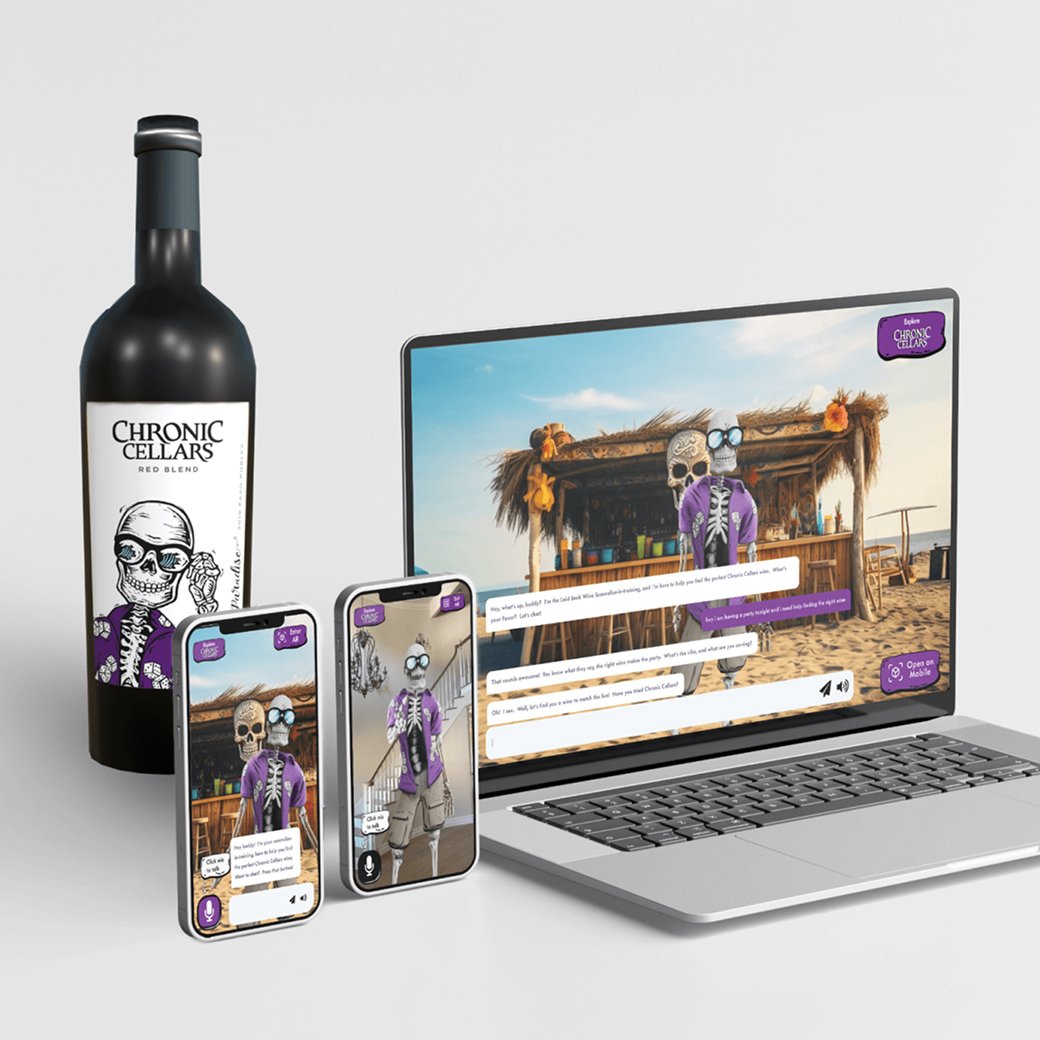
3By transforming a static brand character into an interactive AI sommelier, Chronic Cellars demonstrates how memory-driven agents can convert customer conversations into evolving brand experiences.
4AI trainers like Soul Machines’ Atlas blend real-time interaction with visual realism, pointing to a future where personalised guidance feels human, regardless of scale.
Via these AI-powered, not just AI-generated avatars, every interaction builds upon previous exchanges, creating a personalised narrative and more complete experience that could become as key as traditional campaign materials.
For brands favouring the comforting verisimilitude of visual realism, pair this backend knowledge base with a video avatar from the likes of Soul Machines 4, and it will be possible to scale personalisation across every internet-connected territory on earth.
In all instances, clarity of purpose remains crucial. Brands must articulate whether their agents exist to inform, assist, entertain, or inspire – and design accordingly.
For brand leaders, the imperative is clear: deploy agentic AI, establish trust through transparency, and always have a clear manifesto.
As Professor Marek Kowalkwiewicz, author of The Economy of Algorithms 5 says, “we should be talking about a spectrum of autonomy as opposed to automation, where [the bot] makes decisions to make the experience better, but not decisions that seem wholly surprising.”
While many fear this will lead to a machine learning monoculture, others see a new dawn of creativity beckoning, where original perspectives and nuanced agentic collaborations transcend generic AI slop.
For instance, digital asset management tools that can enable creative teams to collaborate with agents to reinterpret elements such as brand archives, soundtracks or logos will flourish in this audio-visually fluid future.
The winners in this agentic future will be brands whose AI agents operate with clear guardrails while maintaining the flexibility to intuit fresh, inspiration-providing perspectives.
The foundations are trust and clarity, the currency is expedited knowledge, and the prize is brand-fan relationships upgraded via empathy, longevity and significantly brighter sparks of surprise and delight.
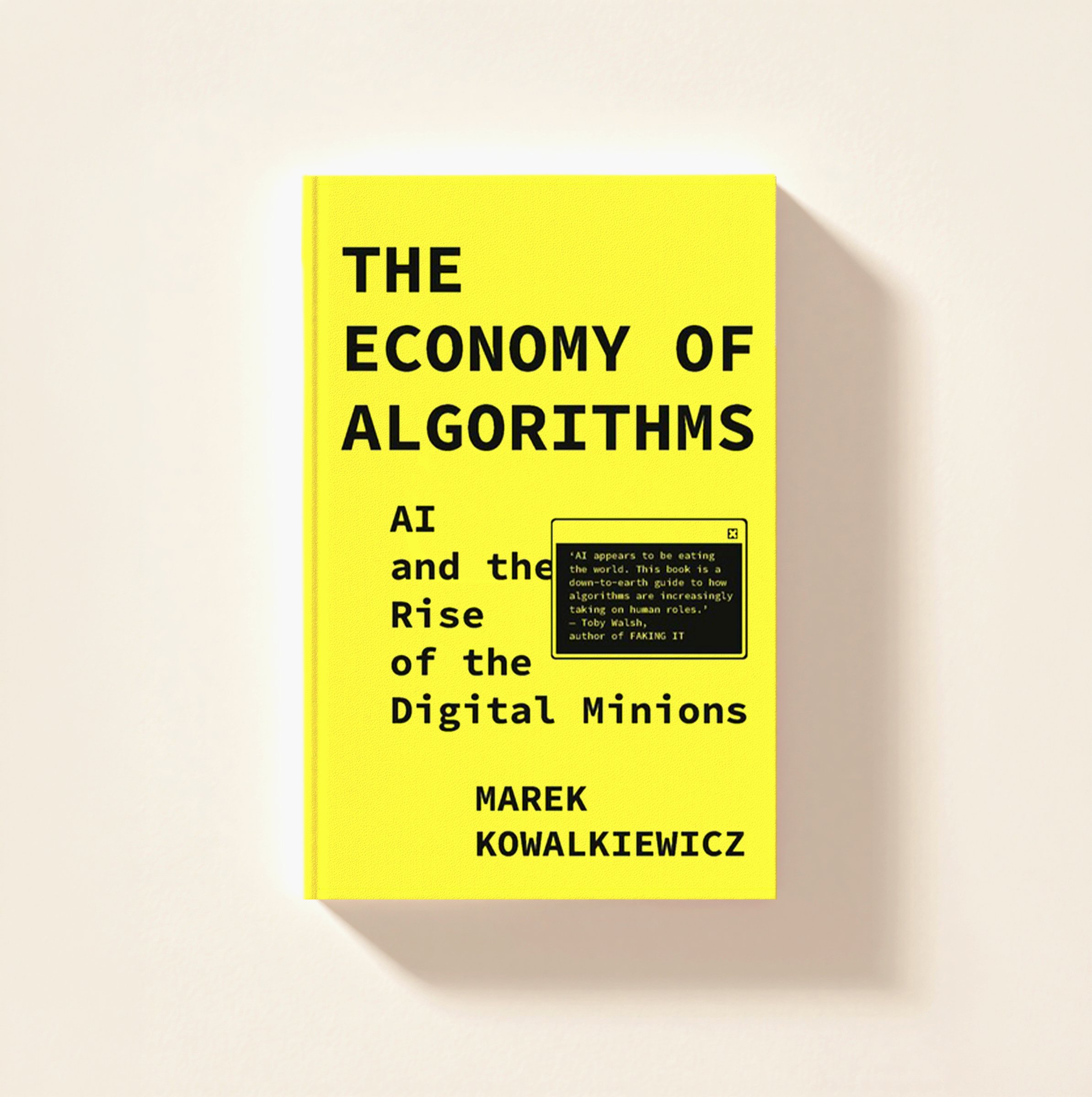
5Marek Kowalkiewicz’s The Economy of Algorithms positions AI on a spectrum of autonomy, reinforcing the importance of guardrails as brands deploy increasingly independent agents.