- Authentication technology is evolving from policing to brand building
- Smart brands transform fake product incidents into loyalty moments
- Digital verification helps prove ethical sourcing claims
- Coming regulations make authentication inevitable
- Verification builds deeper customer relationships
Key takeaway: Authentication is becoming a brand asset —use it to build trust, not just fight fakes.
The luxury goods industry has long grappled with fakes, but 2025 marks a turning point where authentication technology isn't just about policing —it's becoming a powerful tool for brand building.
When Parisian luxury app maker Authentique partnered with industrial verification company Alitheon, they revealed an important truth: The line between luxury goods and critical infrastructure is blurring 1. The same technology that authenticates Boeing spare parts can now verify the closets of ultra-high-net-worth consumers through a simple phone camera.
1A real-time authentication check shows how ownership is increasingly mediated through digital verification, not just physical possession.
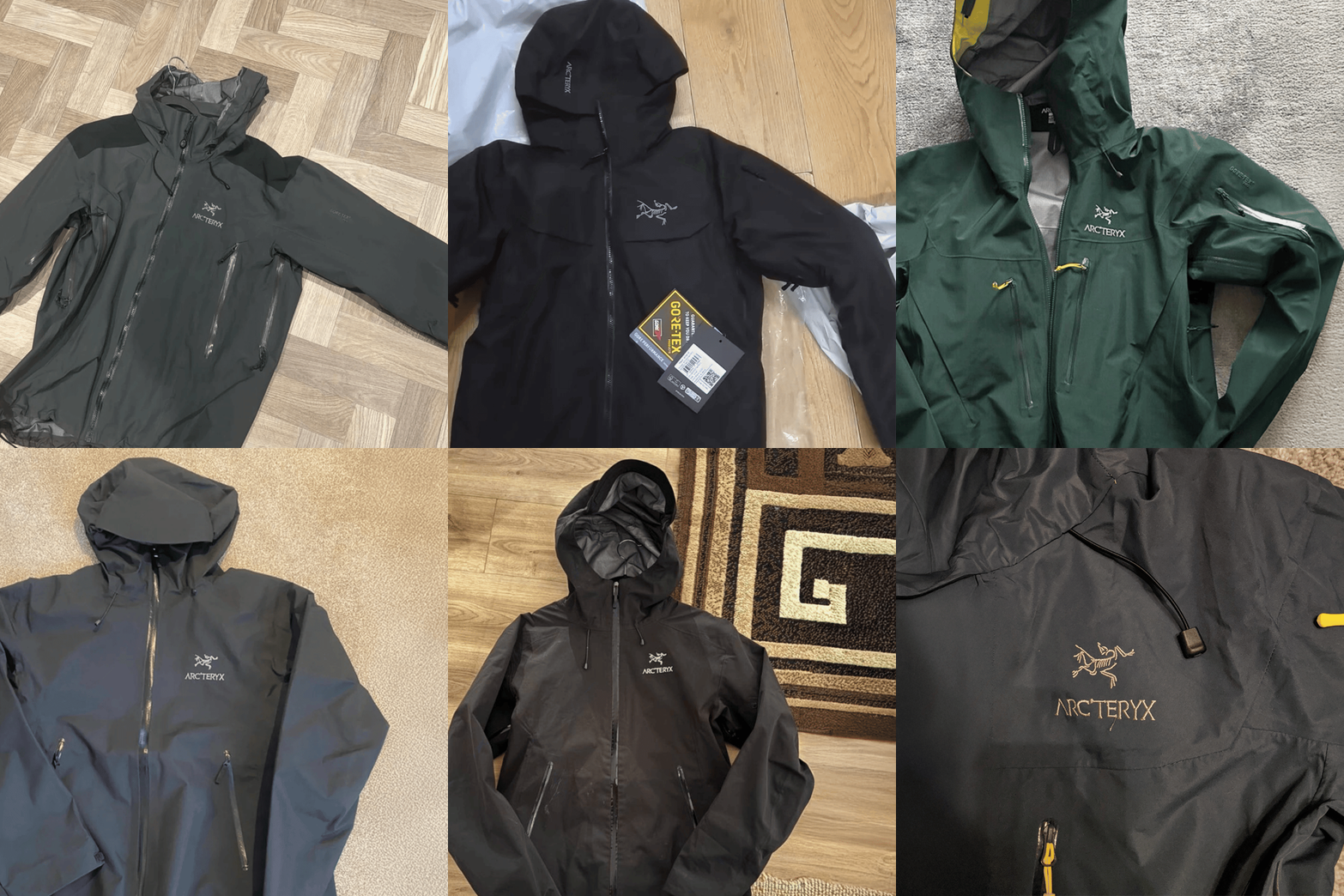
2Online product images often reveal little about authenticity, exposing how easily counterfeits circulate through resale platforms.
Authentique doesn’t plan to launch a stand-alone app, but instead hopes to embed its technology into other apps. This convergence signals a broader shift: Authenticity is becoming the new currency of brand value. While LVMH might still prefer to let French police raid counterfeit sellers, pioneering brands are discovering that transparency builds trust.
Take Arc'teryx, the high-performance outerwear brand that has been known to offer discounts to customers who unknowingly purchased fakes 2. They have even offered to back up the buyer in disputes with second-hand retailers, such as Vinted. This transforms a potential brand crisis into a loyalty-building moment.
3Digital trackers surface the hidden journeys behind luxury materials, making origin part of the product story.
DeBeers' new Tracr platform, launching in 2025, demonstrates how verification can address deeper consumer concerns 3. By providing country-of-origin data for diamonds over 0.5 carats, they're not just fighting fakes — they're responding to growing demands for ethical sourcing and sustainability.
The EU's planned Digital Product Passports suggest this is just the beginning 4. By 2030, clothing brands may need to provide detailed data about origin and environmental impact. The implications of this stretch far beyond fashion. As digital authentication becomes ubiquitous, every brand — from retail to pharmaceuticals — must decide: Will they treat verification as a burden or leverage it as a powerful tool for building trust and loyalty?
Those who choose the latter will likely find that in an era of deepfakes and AI-generated content, provable authenticity might be their most valuable asset.
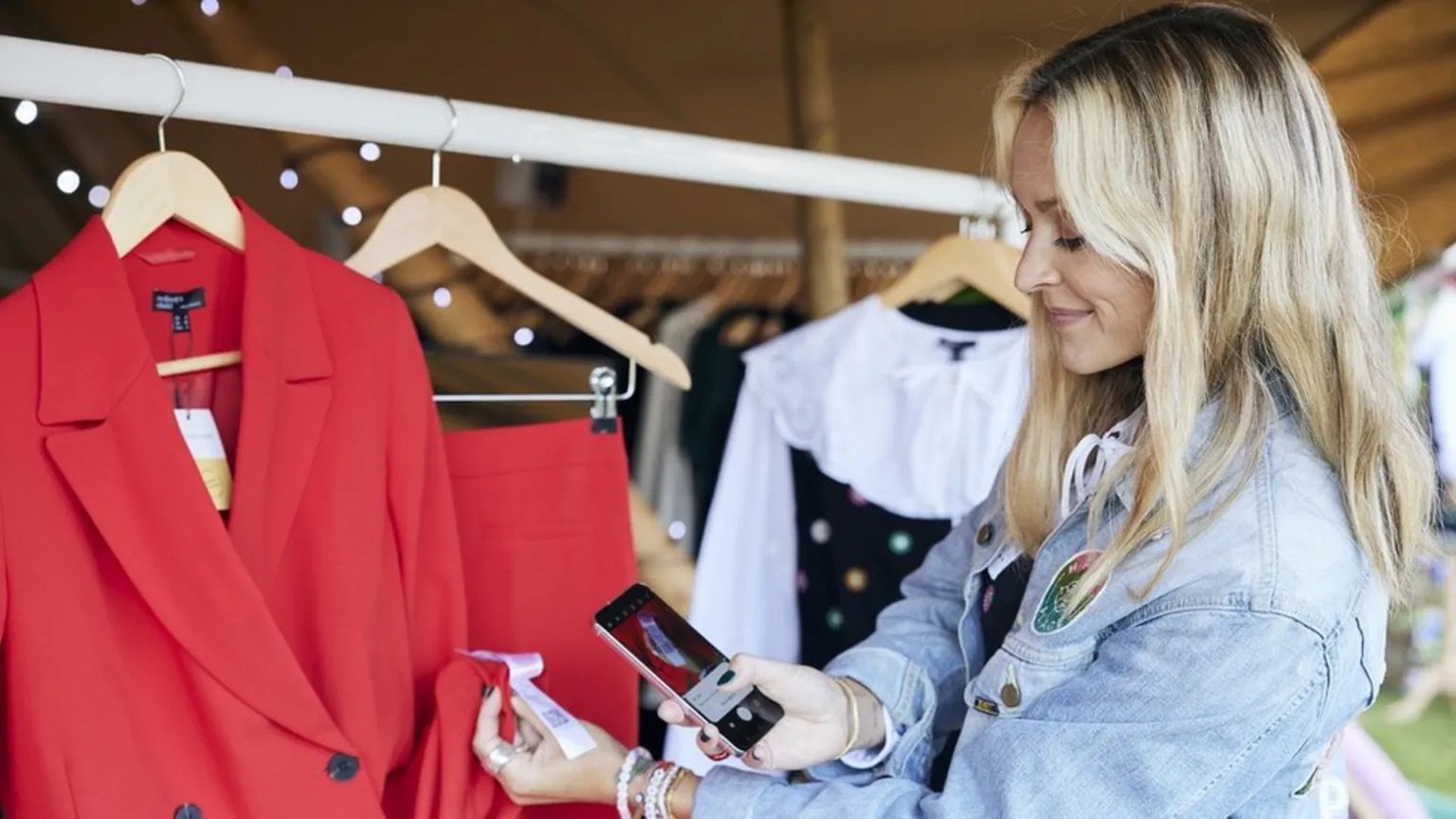
4As digital product passports become more common, trust is increasingly verified through data, not brand claims.