- Brand collaboration now means experiential co-creation that benefits all parties
- Tech-enabled activations transform experiences into live research laboratories
- In-person engagement addresses digital fatigue among key demographics
- AI enables real-time responsive experiences that adapt to participant mood
- Success metrics must include emotional and participatory impact
Key takeaway: The future of brand collaboration lies in AI-enhanced experiences that adapt to context and are genuinely co-authored by consumers.
The era of static pop-ups and Instagrammable moments is ending.
Today's consumers expect more than visual appeal — they demand participation, personalization, and genuine purpose.
This shift is driving brands toward experiential collaboration, where live customer interaction becomes real-time market intelligence.
"For the first time, technology allows experiences to think, react, and evolve in real time," explains 1 Jason Snyder, Global Chief Technology Officer at Momentum Worldwide.
"Instead of passive audiences, we now have living, participatory ecosystems where consumers are no longer spectators but co-authors of their engagement."
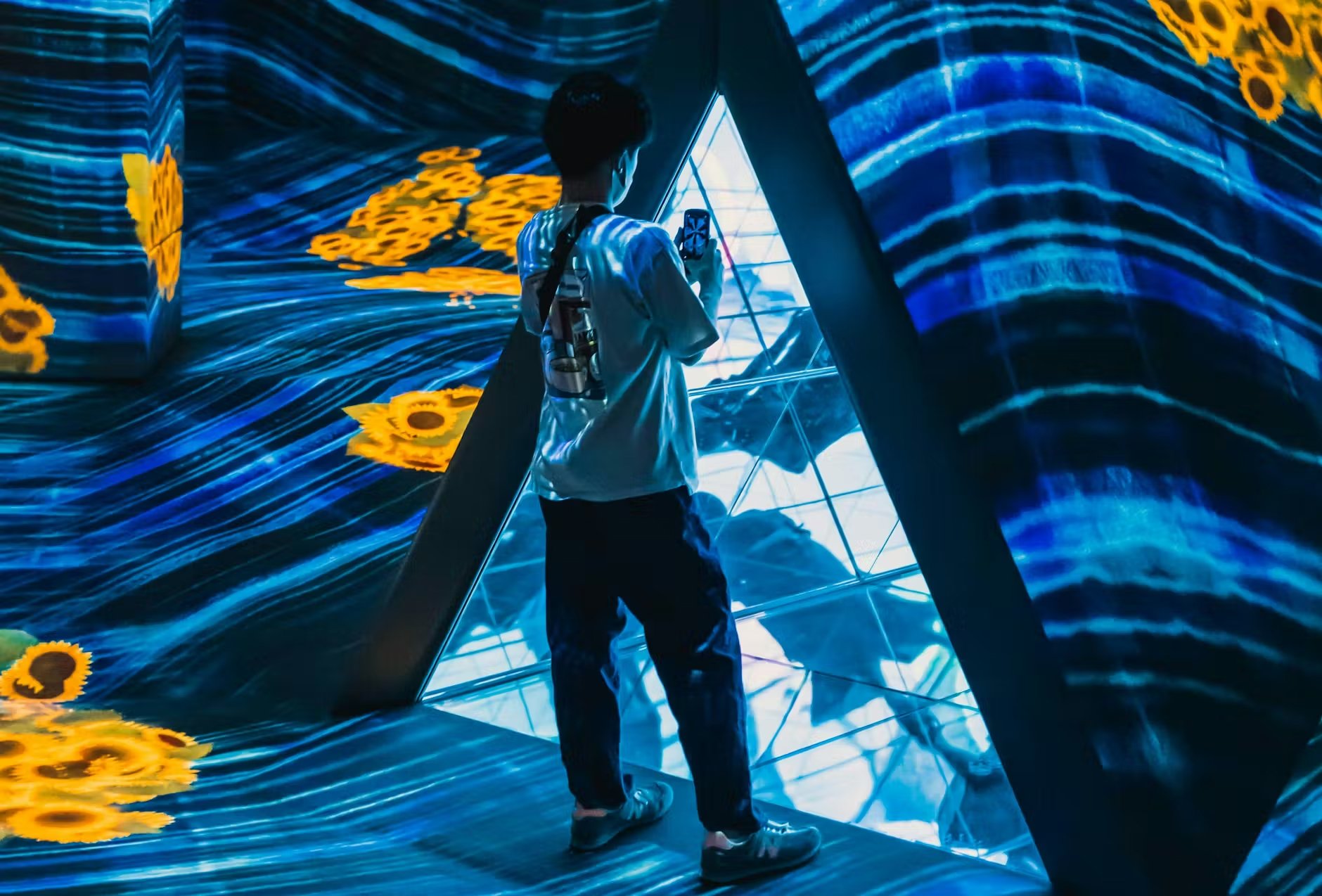
1In The Drum, Jason Synder writes that advancements in AR, VR, and AI mean that "instead of passive audiences, we now have living, participatory ecosystems in which consumers are no longer spectators but co-authors of their engagement."
2To highlight the agility and stability of the RAPIDMOVE ADV 2 shoe, participants were put through an engaging challenge on a reactive light-up floor grid that responded to their movements in real time, and fed performance data back to Adidas.
The most successful brands are treating these collaborations as dual-purpose initiatives: memorable experiences that double as research and development laboratories.
Consider Adidas and Les Mills' strategic partnership at Les Mills Live in Riyadh.
While Les Mills delivered signature workouts with live fitness trainers, Adidas gathered consumer data about their RAPIDMOVE ADV 2 shoe through a reactive, light-up floor grid 2 that tracked participants' movements.
The event simultaneously engaged Middle Eastern audiences while generating product insights impossible to capture through traditional research methods.
Nike's youth-focused partnership with LEGO 3 demonstrates how experiential collaboration can scale globally while maintaining local relevance.
From building mini basketball jerseys to participating in football events across cities from London to Shanghai, the campaign adapts to different cultural contexts while supporting a cohesive digital strategy featuring professional basketball player A'ja Wilson.
Digital-native brands are embracing physical experiences as antidotes to screen fatigue.
With Forbes reporting that 79% of Gen Z feel exhausted by online dating, there's a clear opportunity for apps to partner with experiential brands and foster real-world connections.
3Nike and LEGO kicked off their partnership with a series of immersive experiences and co-branded products designed to inspire kids everywhere to embrace the joy of active and creative play.
4Hinge Assemble is a day-long event designed to help Gen Z discover local social groups and build meaningful relationships offline, featuring curated activities hosted by community-led organizations.
Hinge's Assemble events 4, created with travel platform Trippin, exemplify this approach. These day-long experiences in New York and London help Gen Z discover local communities and build meaningful offline relationships.
Given Eventbrite's finding that 95% of young adults actively seek ways to transform online passions into in-person experiences, such initiatives represent significant growth opportunities.
Gymshark and therapy service Self Space have explored similar territory through their Walk Club events 5.
Guided by qualified therapists and culminating in workouts at Gymshark's Regent Street store, these experiences marry brand values while showcasing physical locations and team expertise.
Looking ahead, the next evolution will integrate AI-powered elements that sense and respond to consumer emotions in real time.
Imagine experiences where environmental elements — lighting, sound, scent, and temperature — dynamically shift based on crowd sentiment.
These won't be standardized activations but mood-sensitive spaces engineered for authentic human connection.
As consumers become genuine co-creators, brand governance must evolve accordingly.
Dynamic brand ecosystems need frameworks robust enough to maintain coherence yet flexible enough to feel authentic across diverse markets and cultural contexts.
Success measurement must also expand beyond traditional metrics.
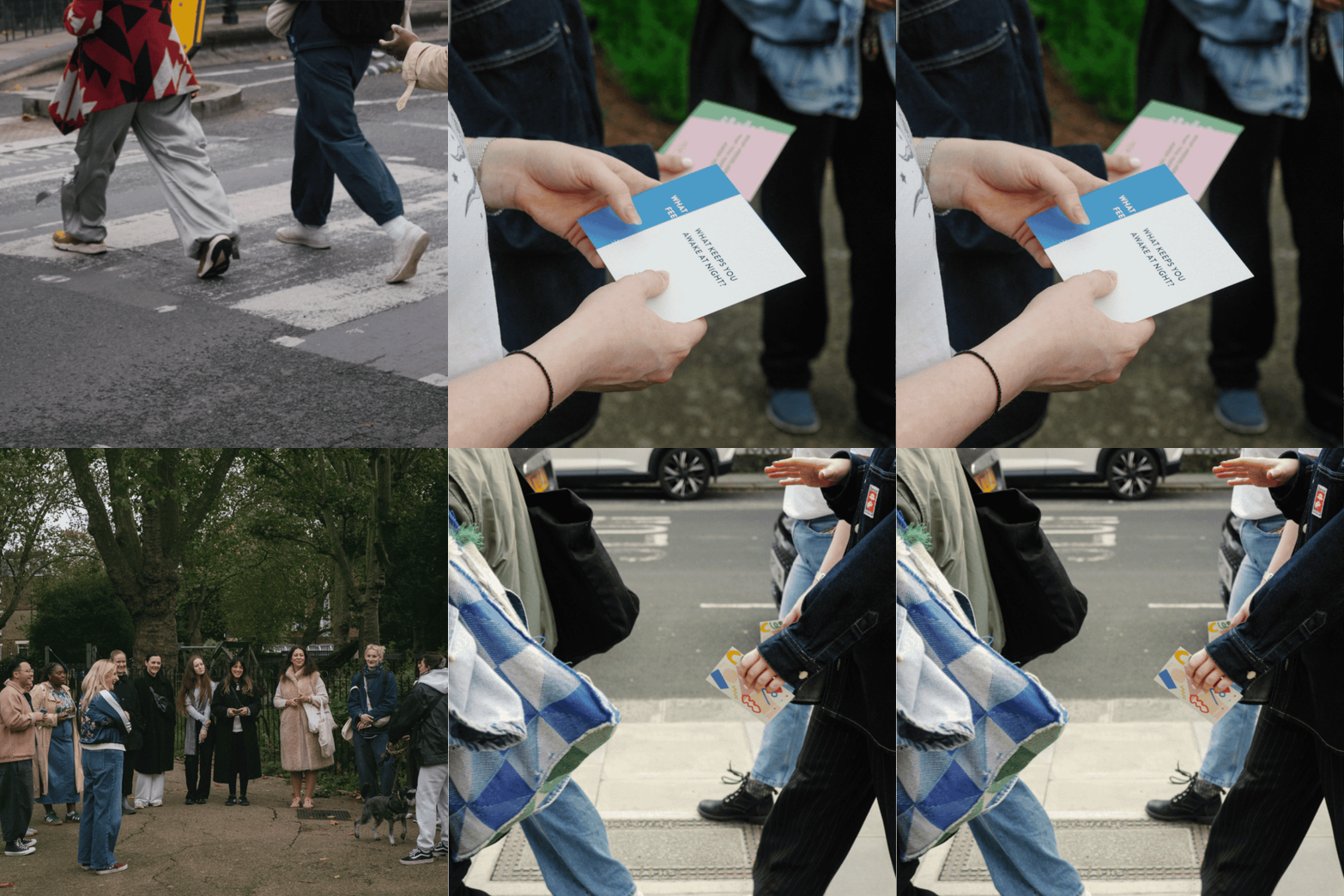
5"Emotional gains incoming" wrote Self Space about their collaboration with GymShark, Walk Club. "We’re teaming up with @gymshark for a gentle stroll, deep chats, and a proper nervous system reset. Guided by qualified therapists, everyone will be assigned a walking partner and given a set of conversation prompts to facilitate a walkie-talkie."
While attendance numbers, dwell time, and content reach remain important, brands must equally prioritize emotional impact, cultural resonance, and participatory engagement.
This means capturing participant testimonials alongside analytics and tracking long-term community building rather than just immediate conversion.
The transformation toward experiential collaboration represents more than a marketing evolution — it's a fundamental reimagining of how brands create value through human connection.